Director of the EAEU Institute: "Divisions Among Supporters of Pashinyan Are Not Excluded. What Explains Pashinyan’s Broad Popularity Despite War Defeat?"
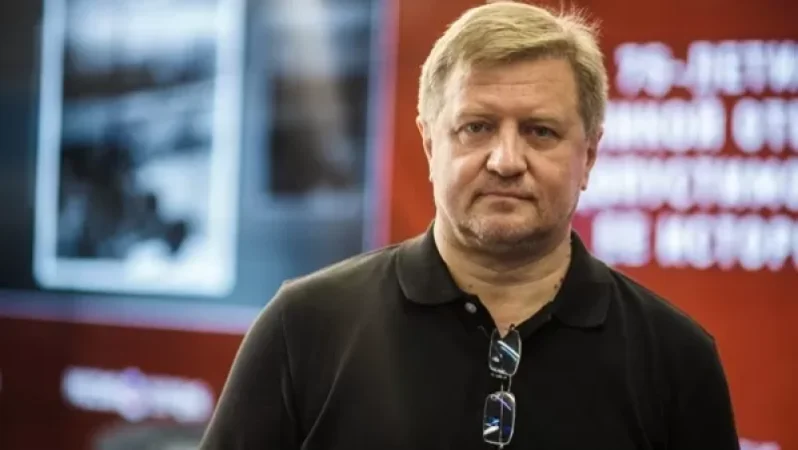
The broad popularity of acting Prime Minister Nikol Pashinyan, despite the defeat in the war, has several reasons. This was stated by Vladimir Lepekhin, director of the EAEU Institute, in an interview with NEWS.am.
"The first reason is that there was no alternative, and it is unlikely that there will be one in the near future. The two former presidents of Armenia presented themselves as such alternatives. However, there is a significant negative attitude towards both figures among certain segments of Armenian society. They each have their staunch supporters, but the voting was not only in favor of Pashinyan but also in comparison to whom to choose—Kocharian or Pashinyan. The former presidents have their narrow voter base, but it has not grown yet.
The second reason is that Armenia, where many Western-oriented NGOs operate, is on a path of creeping European integration. In the period since the first Nagorno-Karabakh war, Armenian society has sharply changed, and the composition of voters has also been altered. A new generation has emerged that thinks in completely different categories. Many are more interested in a new smartphone or traveling to Europe than in the ideas of the state and the Armenians. For them, these are abstract concepts. Many consider themselves citizens of the world, dream of leaving Armenia, and are more oriented towards the Armenian diaspora abroad. Such changes in the electorate are also observed in the post-Soviet space—Georgia, Moldova, Ukraine, and Belarus," he noted.
According to the expert, the election results in Armenia were generally expected, but the number of votes received by Pashinyan's party was higher than indicated by sociological surveys.
"In any case, such a result was not completely unexpected since it was generally clear that Pashinyan would receive more than 34% of the vote. The fact that he collected much more than that is mainly due to the use of administrative resources in the sector. The results of the alliance of Robert Kocharian and Serzh Sargsyan ('I Have Honor' bloc, which includes Sargsyan’s Republican Party) were quite predictable. There were some doubts regarding Sargsyan's alliance about whether it would overcome the threshold. But it was clear that no other forces would enter the parliament. Even without Pashinyan's administrative influence, according to polls, he still had the largest electoral base," Lepekhin added.
The political scientist emphasized that a positive aspect of the elections in Armenia is that the campaign went quite peacefully. Additionally, there was a certain consolidation among the opposition around Kocharian. A similar process had occurred in January around another leader (Vazgen Manukyan).
"The negative outcome was that the elections were not very transparent and fair. As a result, despite the presumed victory of Pashinyan, he received many votes, and the monopolistic position of Pashinyan in parliament hides possible negative repercussions. To avoid this, he needs a change in policy, taking into account the opposition’s demands and growing external threats. If such a change occurs, there will be a correction of the foreign policy course, and then it will be possible to say that the elections had a positive impact. However, there are no signs of such changes. This means that the problems will increase," Lepekhin concluded.
It is important for Armenia to develop paths aimed at strengthening the Armenian statehood, which will express not only the interests of, for example, Yerevan, but also those of Artsakh and the entire Armenian nation. In this context, it is also important to consider the external factor. The director of the EAEU Institute, Vladimir Lepekhin, also announced this. According to him, the war in Artsakh in the autumn of 2020 was provoked by geopolitical factors since Azerbaijan was supported by Turkey and Great Britain (which today is pursuing a policy of undermining the EU).
"After Brexit, London is interested in creating a new sphere of influence in the world, primarily at the expense of undermining the EU. Great Britain is increasing its influence precisely through cooperation with Turkey in Asia Minor, also strengthening its positions in Ukraine while actively engaging in Armenia and Georgia. Sometimes certain Western-oriented politicians in Armenia are accused of promoting Turkey's interests, although in reality, they are oriented towards Britain. It is still unclear what consequences the consolidation of London’s influence in the region will have. This influence is artificial; it is not for that region. It is still unknown how the mature European crisis will end. Serious disagreements arise in this regard between Britain and Germany, Britain and France (where the Armenian diaspora is strong). All this cannot help but affect not only Armenia but also other countries with Western-oriented forces. Therefore, I do not rule out that at some point, supporters of Nikol Pashinyan will split into two branches—one more directed towards the EU, the other following the Britain-Turkey route," he stated.
The expert believes that Armenia still faces long and challenging years. For both stability and strengthening statehood, it is necessary to bolster relationships with Russia and Iran, without yielding to various Western projects.
"The scenario of the collapse of Armenian statehood is probable. If it weren’t for the Russian factor, which at least stabilizes the situation on the Armenia-Azerbaijan border, I think the process of Armenia’s destruction would continue with much greater dynamics. After the defeat, Armenia has no resources to respond. Therefore, if the aforementioned factor were not present, then the process of the collapse of Armenian statehood would be advancing much more rapidly due to the complexity of the political system and the ambiguous approaches of political leaders. However, Russian presence still stabilizes the situation and restrains Western-oriented forces in Armenia from completely redirecting the country, so to speak, towards NATO," he added.
The political figure clarified that the crisis of Armenian statehood will be prolonged, and there are still no options to overcome it.
"Everything depends on agreements among the Armenian elite, but that is not enough because the elections showed that despite agreements between Pashinyan, Kocharian, and Sargsyan on some issues, the people nevertheless voted based on their own dispositions. Therefore, one can work with them. For the consolidation of the nation, a mere change in the ruling party's course is insufficient. It is important that the opposition realizes its shortcomings and begins to engage with the populace, offering real plans to get out of the situation," Lepekhin concluded.
Նմանատիպ հոդվածներ
107 Members of Parliament to Serve in the National Assembly: Mandate Distribution Revealed for Political Parties
CEC Summarizes Final Results: CPP at 53.91%, Armenia Alliance at 21.09%, Honorary at 5.22%

Response of the Ministry of Defense Regarding the Viral Video of the Incident Between Armenian and Azerbaijani Soldiers
CEC Completes Recount: Results Revealed
Ավելին Politics բաժնից
Ադրբեջանի տարածքային ամբողջականությունը ճանաչել ենք․ Փաշինյան
ԿԳՄՍ նախարարը՝ մինչև 16 տարեկան երեխաների մուտքը սոցիալական ցանցեր սահմանափակելու մասին
Հունաստանի կոպիտ արձագանքը՝ Թուրքիայի ընդունած նոր օրենքին