Vazgen Manukyan Issues Statement, Calls Ter-Petrosyan's Recent Interview Very Dangerous
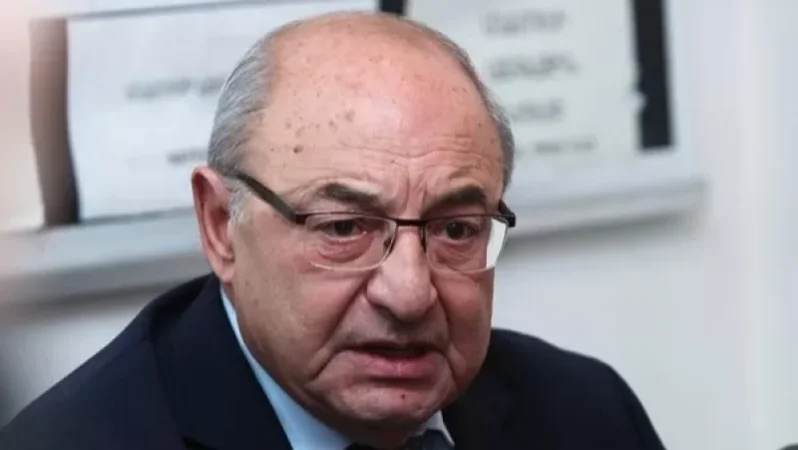
As early elections approach, former Prime Minister of Armenia Vazgen Manukyan has issued a statement, stating: “Elections will take place on June 20. These elections and the subsequent processes will be crucial not only for Armenia but for all Armenians as well. The elections are extraordinary due to the fact that the current government has led the country to a great disaster. We have lost not only territories and thousands of young lives but also our reputation and sovereignty, our security, our relative internal solidarity, and our faith in the future. Therefore, these elections must resolve a critical issue—liberating ourselves from this government.
During elections, I have always advocated that people vote according to their political preferences, without ignoring smaller yet appealing programs and ideas in order to ensure diversity in the political arena. But at this decisive moment, as we tackle the critical problem of freeing ourselves from this government, the situation dictates that we should vote for those forces that evidently have the potential to overcome the electoral threshold, are ready to unite around a single candidate for prime minister, and are determined and experienced enough to change the current situation.
At the same time, I find the recent interview of Armenia's first president, Levon Ter-Petrosyan, to be very dangerous, where he 'teaches' politicians and intellectuals about 'political realism,' and I feel it necessary to briefly present some observations:
1. All political leaders in Armenia have always recognized and attempted to implement a realistic and compromise-oriented policy regarding the Artsakh issue. During negotiations, various compromise options have been discussed. A vivid example of this is the Madrid Principles, and subsequently the development of options based on them and the search for compromise edges.
2. We have allies. The issue of Artsakh's independence has been aligned with both the laws of the USSR and the UN Charter as well as international laws. This issue has not left the international agenda today. Just today, the President of the USA and the President of Russia will discuss the Artsakh issue. The OSCE Minsk Group is also interested in resuming negotiations regarding the status of Artsakh, which is also mentioned in UN Security Council resolutions from the 1990s. Some states are pursuing this matter based on their geopolitical interests, while some do so based on international law’s mandates. We have allies in this matter, but their contribution, as well as the engagement of new allies in the resolution of the issue, depends on us.
3. Levon Ter-Petrosyan's conceptions about political pragmatism are primitive and significantly limit our potential. The field of issues that can be resolved through realistic means is, in fact, much wider than it appears to Ter-Petrosyan. First and foremost, national-state goals and objectives need to be defined and addressed, no matter how difficult and unrealistic they may seem at the time. Then step by step, we must strive to implement them, taking into account global development trends, leveraging the current situation, and enhancing our own capabilities. That is political pragmatism.
It is not opportunities that dictate what issues should be set and solved, but rather the issues dictating what opportunities must be created. With his conceptions, Ter-Petrosyan always demotivates our people and deprives them of seeking great objectives, urging only for 'realistic' survival, which, in my opinion, is disastrous for our state and people in this region. A vivid example of this is that the layer nourished by Levon Ter-Petrosyan's limited pragmatic ideas has brought the country to this disaster since coming to power in 2018.”
Նմանատիպ հոդվածներ
Ավելին Society բաժնից

Օրենքով գող կկալանավորվի. հայտարարվել է հետախուզում
Երևանից դեպի Սևան ուղղությամբ մի հատվածը ժամանակավորապես կփակվի
Գևորգ Պապոյանը ներկայացրել է էլեկտրական մեքենաների քվոտայի մնացորդները