Display of Hammers and Threats of Falling Under Police Batons are Unacceptable: Human Rights Defender
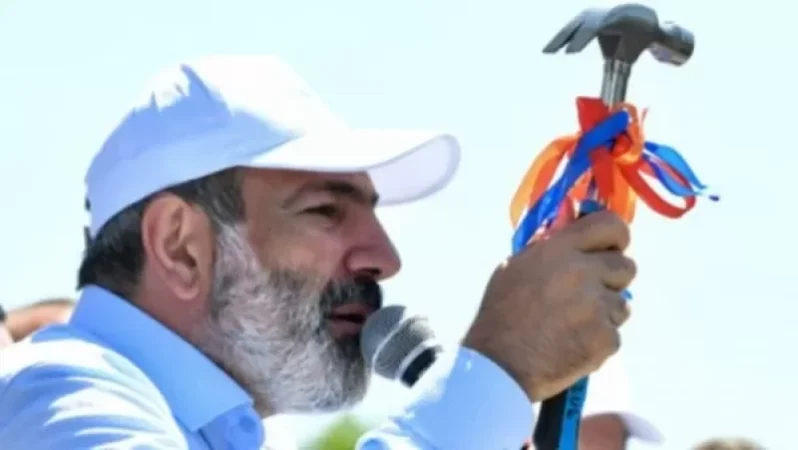
Considering that the acting Prime Minister of the Republic of Armenia continues to maintain the legal status of the head of the executive power, as well as the fact that the Human Rights Defender of the Republic of Armenia has jurisdiction over state bodies and officials, this statement addresses a number of human rights concerns that were recorded during yesterday's election campaign in the Syunik region.
1. The continuous display of hammers and figurative comparisons is unacceptable, as it may lead to perceptions among people that hammering out solutions is appropriate. Moreover, constant monitoring shows that vocabulary related to hammers is increasingly associated with violence (e.g., “this is the people's hammer, and on June 20, this hammer will come down on your empty heads” and so on). Threatening participants of the election campaign from other political forces with law enforcement agencies (e.g., “want to fall under the police batons” etc.) is unacceptable. Given the direct subordination of the police to the Prime Minister, such vocabulary may be misinterpreted as a message to various police officers.
The context in which the expression “steel mandate” is constantly used, associating it with human rights violations, is concerning. After speeches with such rhetoric from the acting Prime Minister, other high-ranking officials also begin to make statements using hate and violence-related vocabulary, threatening with police intervention (e.g., “you will find yourselves under the heel of law enforcement bodies (...), we will trample you” etc.).
2. The status of the acting Prime Minister does not include the right to issue threats against local self-government bodies, particularly against community leaders. This specifically refers to discussions about initiating criminal cases and penitentiary institutions, as the Prime Minister has no authority to initiate criminal cases or deprive people of their freedom in penitentiary institutions. The question is that community leaders are elected officials by direct mandate through confidential voting by Armenian citizens, and such an assessment from an acting Prime Minister is primarily problematic in terms of guaranteeing citizens’ political rights, especially the right to vote.
3. The acting Prime Minister's mention of mass dismissals is linked to widespread violations of labor rights and abuses, and arbitrary interventions by the executive power. Addressing these questions is also necessary as the acting Prime Minister is perceived by people during campaign rallies as the Prime Minister, rather than as an acting one. The organizers of the rallies present themselves and the speakers as the Prime Minister of the Republic of Armenia.
Նմանատիպ հոդվածներ
Ավելին Society բաժնից

Օրենքով գող կկալանավորվի. հայտարարվել է հետախուզում
Երևանից դեպի Սևան ուղղությամբ մի հատվածը ժամանակավորապես կփակվի

Գևորգ Պապոյանը ներկայացրել է էլեկտրական մեքենաների քվոտայի մնացորդները