When Nikol Pashinyan said he would 'build', he presumably meant constructing 2500 km of roads: Lena Nazaryan
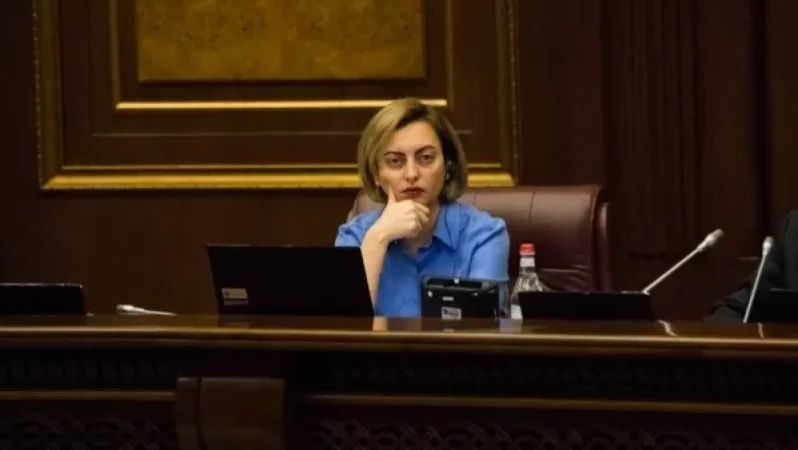
Deputy Speaker of the National Assembly and member of the 'My Step' faction, Lena Nazaryan, gave an interview to Parliamentmonitoring.am.
- Mrs. Nazaryan, the electoral list of the Civil Contract party faced much criticism for allegedly including the names of oligarchs, referring to Khachatur Sukiasyan and Gurgen Arsenyan.
- In order for someone’s illegally or even legally accumulated wealth to receive privileged protection through abuse of political position, either the wealthy must come to the parliament and become the majority, or the political majority must be elected through the money of the rich, via vote buying, gathering votes from job placements, etc. In other words, they must owe their election to the wealthy. Let me say right away that the Civil Contract party has never been and has not become a party of the wealthy during this time.
Secondly, we changed the majoritarian electoral system, which allowed representatives of large businesses to run in various electoral districts, gathering votes through money and economic influence, thereby converting that 'political' weight into economic patronage, monopolies, and protection of property. We have shown in practice that we are not trying to be re-elected through the wealthy, and our support is the people, the majority of whom have social justice issues, and our efforts will be directed towards eliminating social injustice. And that is what we have done.
It is not for nothing that the Prime Minister talks about class struggle against the people. Look at the wealth of certain candidates in opposition lists, especially the wealth of their sons. What, are they coming to parliament to return what they have stolen to the people?
- The issue is that you have long criticized the presence of businessmen in party lists, and now you are effectively doing the same?
- The issue is not that a former businessman will be in parliament and the executive. For example, the acting Minister of Economy, Vahan Kerobyan, who developed and established large business in Armenia, has now taken on a political position by transferring it to fiduciary management. The problem arises when the wealthy and illegally enriched become the political majority in a poor country. Is it not clear that if Robert Kocharyan or Serzh Sargsyan were elected, the first thing to be lost would be the law on 'Confiscation of Illegally Acquired Property', which we adopted to return the property of illegally enriched individuals to the state, that is, to the public?
- But they are owners of large companies and can influence people's electoral will. Is that not possible?
- People are free and can make any choice; no one can control them at their polling station, and no one can force them to make decisions contrary to their will. After all, what was the revolution for? For me, the revolution is a liberating process, where political, economic, educational, electoral, informational, judicial, and local self-government systems were liberated from governmental usurpation. I’m not saying that these systems are now fully free from the financial influences of past looters, but this influence has been suppressed by the power and will continue to be suppressed. Today, the opposition is being caught in the act of distributing bribes.
For years, the corrupt, criminal, and exploitative regime established in Armenia has been turned upside down after the revolution and has become the opposition. Now, it remains to completely remove them from the opposition field with these elections.
- We see teachers and schoolchildren who participate in your power's campaign meetings in groups. Is their group presence not a consequence of influence?
- What is important here is whether they are participating in the gatherings willingly or are they called by the Ministry of Education. I can confidently say that no parent or teacher in schools is being told to go participate in the gatherings of the ruling party. I exclude that. People come voluntarily, participate in gatherings, and realize their rights.
- Are there also no instructions from the regional administrations or village councils?
- No, of course not. There are no such instructions. If there is such a fact, it will surely be known.
- Recently, there have been active reports that you are transporting supporting groups by minibus to regions to chant 'Nikol is prime minister' during gatherings. Is there such a thing?
- I cannot imagine such a situation. Any journalist who joins the campaign will see the entire process, will see that at every stop, there are new residents. Nikol Pashinyan makes 10-12 stops in one day and ends the day with a large rally. The opposition does one or two hall meetings a day. I believe it is the hall meetings that are miserable performances.
- Very well, again about the list. Many deputies from the 7th convocation are not on the new list. Was that a tactical step, or do they no longer share the responsibility for your pursued political course?
- The electoral list was formed by the administration. There was a meeting with each candidate who expressed their desire to continue working in the legislature or go to the executive. There were people who did not wish to continue their political activity voluntarily. The reasons can be very personal; they will go and engage in other activities.
- Is it possible that they simply did not want to bear responsibility for the policies pursued by the government?
- It can also be that they did not want to share the responsibility. In any case, I do not think people are obliged to explain why they do not want to be included in the list. It is their choice, and it should be respected.
- You often get upset when hate speech is uttered in parliament. However, during the campaign, your political leader, Nikol Pashinyan, himself spreads hate speech and threats. How do you feel about that?
- It is strange when it is not noticed that he says this in response. When Nikol Pashinyan says 'this is you', 'it is yourself', it means he is saying it in response; someone is saying something to him and us that, of course, requires a response. How could there not be a response?
- Do you mean you are defending yourself?
- Yes. Besides, it is also a necessity; not defending oneself would be incomprehensible to the public. For seven months, we have heard insults and curses, and now not responding is simply wrong. Not responding would not be understood. They need to receive a response, and it should be very adequate. This tension can lessen if both sides refrain from such expressions.
- There has also been obscenity from Pashinyan's side.
- If you mean the expression 'I will build', then presumably he means that he will construct 2500 km of roads.
- From velvet to steel: Your team is now asking for a steel mandate from citizens. Why?
- The steel mandate relates to political stability and strength. This means we need at least 60 percent of the votes for political stability in the country, so there is no second round, and we do not form coalitions, so we can elect Prime Minister Nikol Pashinyan and quickly move on to solving other issues. At least 60 percent is necessary for political stability, undoubtedly, to make quick decisions.
- Like in the 7th convocation, when 88 deputies voted in favor of almost all bills brought by the government?
- I disagree. Opposition bills were also adopted, which means the minority also has the opportunity to establish their proposals, initiatives if they are feasible and serve the public interest. By the way, it was thanks to the majority that we managed to promote the idea of a proportional electoral system, which was a demand of 30 years of opposition and civil society. And the opposition boycotted and spoke against it, although it had previously expressed its support. That is why a strong, steel mandate is required for such cases.
- In your opinion, will the political tension created after the elections ease, and will there eventually be reconciliation?
- For that, it is necessary for citizens to support our force by giving at least 60 percent of the votes. In general, the electoral process is inherently divisive, but at the same time also a process that establishes everyone's consent. In other words, at the end of the elections, we will have a picture, a result that everyone should acknowledge, reconcile with, and move forward.
- Can it be assumed that your plans do not include the intention to form a coalition?
- No, we are not discussing that question at all. Our goal is to obtain at least 60 percent of the vote.
Նմանատիպ հոդվածներ
Armenian Units Did Not Shell Combat Positions in Azerbaijani Territory: Ministry of Defense
Incident Likely Occurred on June 2: Details on the Viral Video
Political Forces Led by Pashinyan, Kocharyan, and Vanetsyan to Be in the 8th Convocation of the National Assembly
The Bodies of Soldiers Delivered to Us Were Completely Covered with Maggots, Some Were Devoured by Wolves, Forensic Expert
Ավելին Society բաժնից
Օրենքով գող կկալանավորվի. հայտարարվել է հետախուզում
Երևանից դեպի Սևան ուղղությամբ մի հատվածը ժամանակավորապես կփակվի

Գևորգ Պապոյանը ներկայացրել է էլեկտրական մեքենաների քվոտայի մնացորդները