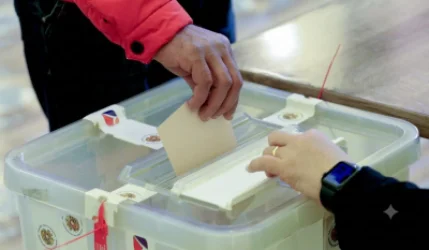
Facebook Strengthens Fact-Checking for Armenian Content

Facebook has announced that it is expanding its partnership with the independent fact-checking platform, FactCheck Georgia, to combat the spread of fake content created in Armenian on Facebook and Instagram.
The Georgian FactCheck Georgia, accredited by the International Fact-Checking Network (IFCN), will collaborate with the Armenian Media Initiatives Center (MIC) for the next two months—June and July—to fact-check content in Armenian published on Facebook and Instagram.
More than 80 partners from around the world are involved in Facebook's fact-checking program, which reviews content published in approximately 60 languages. These partners play a crucial role in identifying the spread of misinformation. When a fact-checker labels information as false, Facebook attaches a warning label to the content and significantly reduces its distribution. The spread of content from pages and domains that frequently circulate fake news will also be curtailed, and they will lose advertising and monetization opportunities.
According to a statement from Facebook’s press service, by collaborating exclusively with fact-checking platforms accredited by the IFCN and prioritizing areas where elections are expected—where the spread of misinformation can pose real risks—they have decided to expand their collaboration with the experienced journalists' network, FactCheck Georgia, to operate also in Armenia.
"We are very pleased to expand our collaboration with FactCheck Georgia to operate in Armenia as well. Before this announcement, we considered a number of factors that we analyzed before launching the fact-checking program. The key work of our Armenian partner, the Media Initiatives Center (MIC), will help us reduce the spread of misinformation in Armenian on our platforms," said Sophie Ayers, Facebook’s Strategic Partner Development Manager.
Facebook has a three-tier strategy to combat misinformation. The first is to inform people by providing more information about the posts they see. The second is to reduce the visibility of fake news and unverified content, and the third is to delete content that contradicts Facebook’s and Instagram's Community Standards and advertising policies.
This strategy is particularly important in the fight against health-related misinformation. Since the early days of the pandemic, Facebook has removed more than 18 million pieces of content that violated Facebook's established rules concerning COVID-19 and contained misinformation about vaccines.
Additional information about the fact-checking program is available via the following link. You can find more information about the International Fact-Checking Network here, and regarding the organization’s Code of Principles here.
Նմանատիպ հոդվածներ


Ավելին Society բաժնից
«Երևանի գինու օրեր» փառատոնի ընթացքում արձանագրվել է ընդամենը 7 դեպք

18+ ՏԵՍԱՆՅՈՒԹ. Փորձել է կտրել գլուխը. հակամիգրանտական բողոքի ակցիաներ Հյուսիսային Իռլանդիայում
Հայտնի է քանի մարդ ՀՀ քաղաքացիություն չի ստացել