After the War, Only 8 Out of 37 Hydropower Plants Remain Under Control in Artsakh: Artsakh in Numbers
The President of the Republic of Artsakh, Arayik Harutyunyan, presented an annual report to the National Assembly on the progress and results of the 2020 operational activity program and the plans for 2021. Referring to the damage to the Artsakh economy caused by the war, Harutyunyan stated that a significant part of the economy had been paralyzed over the course of two months, which was accordingly reflected in the annual macroeconomic indicators.
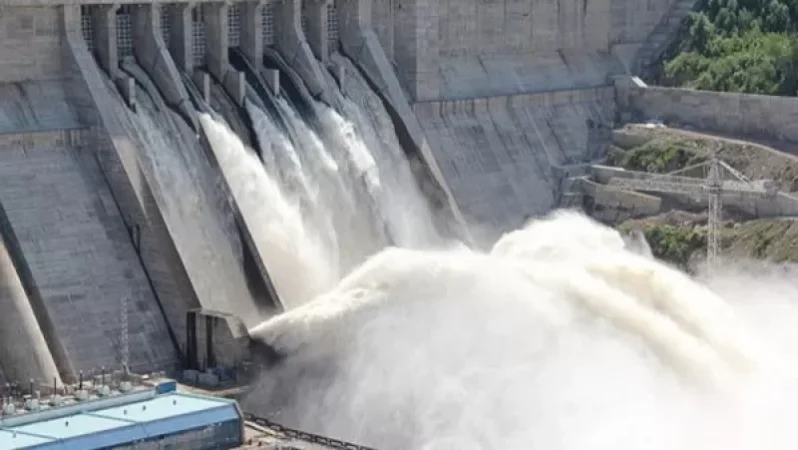
Out of the 37 hydropower plants operating in pre-war Artsakh, only 8 remain under control. This has resulted in the electricity production in December 2020 being just 20.4 million kWh compared to approximately 100 million kWh in December 2019. Moreover, according to the results of 2020, electricity production showed an increase of 11.2% compared to the previous year, thanks to the figures from the first nine months.
“In 2020, the economic activity index amounted to 76.8%, while the gross domestic product reached 270.9 billion drams, down from 342.5 billion drams the previous year, leading to a 22.4% economic decline, of which about 9.2 percentage points stemmed from industry, including energy, 6.4 percentage points from trade and services, 2.4 percentage points from construction, and 2.1 percentage points from agriculture,” Harutyunyan noted.
The GDP per capita in 2020 was 1 million 820 thousand drams, or 3,722 USD, compared to 2 million 307 thousand drams or 4,803 USD in 2019. The average nominal monthly salary was 188,960 drams, up from 175,522 drams in 2019, recording an increase of 7.7%. The average annual inflation rate in 2020 was 0.8 percent.
External trade turnover in 2020 was 417.8 million USD, which was more than a 36% decrease from the previous year's figures. Notably, exports (around 137 million USD) decreased by approximately 52%, while imports (about 280 million USD) fell by 25%.
The volume of industrial production in 2020 was 103.2 billion drams, a reduction of 36.3% compared to the previous year, including mining production at about 48.4 billion drams (a 19.8% decrease) and manufacturing output of over 26.5 billion drams (a 62.5% decrease). The drop in food production was relatively minor, at 3%, amounting to about 12.6 billion drams. The gross agricultural output reached approximately 56.5 billion drams, reflecting a 22.2% decline compared to 2019. Trade turnover was over 92 billion drams, decreasing by 31.9% compared to 2019. The volume of construction work was over 50.2 billion drams, down by 22.2%.
Due to the war damages, the forecast gross domestic product for 2021 is around 207 billion drams, with an estimated economic decline of about 25% under a projected 2% deflator. The inflation rate is expected to be around 3 percent.
In 2020, state budget revenues amounted to 49 billion 498 million 700 thousand drams, achieving 86.9% of the programmatic indicator (56 billion 937 million 100 thousand drams). State budget revenues decreased by 17.7% or 10 billion 636 million 300 thousand drams compared to 2019. During the year, in accordance with legislative changes, total revenues in the state budget were increased by 5 billion 100 million drams due to a budget loan received from the Republic of Armenia, while expenditures were increased by 14 billion 810 million drams. Some programs planned within the state budget were not implemented to the expected extent due to the pandemic and the war.
The actual expenditures of the 2020 state budget amounted to 122 billion 557 million 900 thousand drams, achieving 89.7% of the programmatic indicator and the state's budget performance without significant debt accumulation for current spending.
During and after the war, our compatriots have shown financial support to Artsakh from all corners of the world, through which a total of 4 billion 166 million 800 thousand drams have been deposited into the government’s humanitarian assistance off-budget account, dedicated to urgent and targeted expenses arising from military actions.
For the 2021 state budget, revenues are planned at 84 billion 230 million 700 thousand drams and expenditures at 132 billion 342 million drams, resulting in a deficit of 48 billion 111 million 300 thousand drams. Tax revenues and state fees are projected at 17 billion drams, which represents 35.6% of the previous year's actual revenues. This is attributed to the consequences of military operations and the legislative changes stemming from them.
However, during the first quarter of the current year, the tax revenues and fees deposited into the state budget of Artsakh exceeded the planned indicator by 44.8%, totaling 4 billion 779 million 300 thousand drams. As of April 1, the number of entities actively operating in Artsakh was 3,193, of which 1,056 started or resumed activities in the first quarter of this year, indicating a gradual recovery of the economy.
The volume of construction work carried out from the 2020 state budget funds amounted to over 26 billion 876 million drams or 53.5% of the total. State budget funds were directed towards residential construction, including the repair and construction of housing for the families of fallen servicemen and initiatives to promote birth rates and large families. In 2020, work was carried out to construct 60 residential houses, 16 of which were completed, and 36 were renovated, while compensation was provided for the purchase and renovation of 60 houses. Fourteen educational institutions were constructed and renovated, including 3 preschool establishments. Road renovation and improvement projects were also implemented, exceeding 10 billion drams.
In 2021, the policies in the field of urban development will continue, focusing on the restoration of infrastructure and housing damaged by the war and providing residential buildings for displaced populations from occupied territories,” Harutyunyan summarized in his annual report.
Նմանատիպ հոդվածներ
Ավելին Politics բաժնից
Ադրբեջանի տարածքային ամբողջականությունը ճանաչել ենք․ Փաշինյան
ԿԳՄՍ նախարարը՝ մինչև 16 տարեկան երեխաների մուտքը սոցիալական ցանցեր սահմանափակելու մասին
Հունաստանի կոպիտ արձագանքը՝ Թուրքիայի ընդունած նոր օրենքին