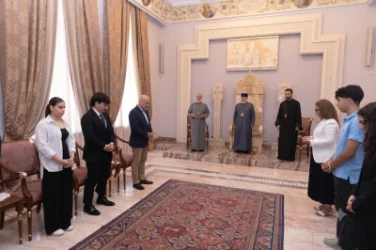
This War Could Have Been Avoided: Armen Sarkissian

This war could have been avoided. This was stated by the President of Armenia, Armen Sarkissian, in an interview with RBC, while responding to the question of whether it was possible to avert last year's war in Artsakh.
"This is one of those mathematical categories where we speak of 'if', and 'if' in mathematics is a recursive function, it is very complex—if this were the case, and if that were the case... But the reality is that I believe it was possible... Because for 30 years, at different times, I have been engaged in diplomacy, meeting with leaders of different countries... I think it is always possible to find solutions to such problems without military action. After all, in the case of Artsakh, after the first war there was an organization that dealt with it—the OSCE Minsk Group. There was a mechanism for communication, dialogue, and so on.
But if we look from our side, we are talking about our mistakes, and we believed again in what we wanted to believe. We thought that the war was already over, the issue had already been resolved. However, it was far from resolution. Especially, Azerbaijan continuously spoke about a future war. Instead of taking specific steps to strengthen the defense of Artsakh, create a more modern military infrastructure, and make Artsakh economically more efficient...
Another observation relates to modern Armenia. Unfortunately, Armenia, as a country of the 21st century, was searching for itself... That is, it was trying one thing, then another... The presidential form is not good; let’s try something else... But in this conditionally democratic atmosphere, there appeared two Armenias: one is the real Armenia we are talking about, which is currently in crisis, and the second is virtual, based on new technologies. The two Armenias have nothing to do with each other. This second Armenia is a TV series, it has no moral boundaries, behavioral rules. It is so saturated. The problem is that this second Armenia is connected to the diaspora, which sees a virtual, mistaken Armenia."
Նմանատիպ հոդվածներ
Ավելին Society բաժնից
ՍԴ-ն պետք է պաշտպանի քաղաքացու սահմանադրական իրավունքը. Արման Աբովյան
Վենեսուելայում երկրաշարժերի զոհերի թիվը հասել է 589-ի
ՏԵՍԱՆՅՈՒԹ.Ընդդիմադիր ուժերը միասնական օրակարգով դիմել են ՍԴ. Իվետա Տոնոյան