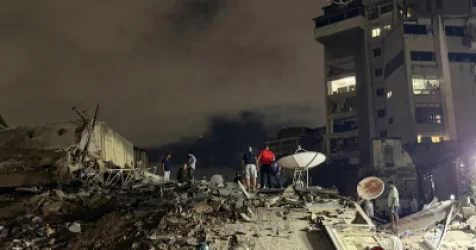
Why the Process of Identifying Soldiers' Remains Is Taking Longer: Clarification

During the DNA testing of the remains of fallen soldiers, it may sometimes be necessary to conduct a secondary examination, which requires additional time. This was stated by the press secretary of the Armenian Minister of Health, Hripsime Khachatryan, in an interview with "Armenpress," commenting on a group of parents and relatives' complaints that DNA testing on their sons' and relatives' remains has not yet been conducted.
“There are remains where it has not been possible to determine the DNA for the first time. In such cases, the bodies or remains undergo secondary examination,” Khachatryan elaborated.
Referring to the fact that the remains of fallen soldiers should not be buried until a DNA test is conducted, the press secretary stated that the process is carried out in accordance with the letter of the law. “Accordingly, the bodies of fallen soldiers cannot be washed. After washing, it simply becomes impossible to take a DNA sample,” emphasized Khachatryan.
In an interview with an Armenpress correspondent, Hunan Tadevosyan, head of the Information and Public Relations Department of the Ministry of Internal Affairs of Artsakh, also detailed that when bodies of fallen soldiers are discovered in the battle zones, first, the Investigative Committee checks for identifying documents, records the findings, and only after that are the remains distinguished and sent for DNA testing according to the place of discovery. “In the case of remains heavily covered in dirt, only the clothing is cleaned,” Tadevosyan emphasized.
Since the end of the war, a total of 1518 remains have been discovered as a result of searches. The Ministry of Health regularly updates the number of identified remains. Minister Anahit Avanesyan stated that the number of samples that are challenging to work with has reached 210.
Նմանատիպ հոդվածներ
Has an Armenian Been Killed at Upper Lars? Georgia's Interior Ministry Claims No Reports Received
Defense Ministry Confirms Loss of Contact with Two Contract Soldiers
10 Cases of Infection with the British Strain of Coronavirus Found in Armenia
Soldier Killed in War or Missing, Yet Banks Demand Payments from Relatives
Ավելին Society բաժնից
Ռազմական ոստիկանությունն իրականացնելու է պարեկային ուժեղացված ծառայություն
Պայմանագրային զինծառայող է մահացել. նախաձեռնվել է քրեական վարույթ. ՔԿ

Ձերբակալվել է Գյումրիի համայնքապետի նախկին մամուլի խոսնակը