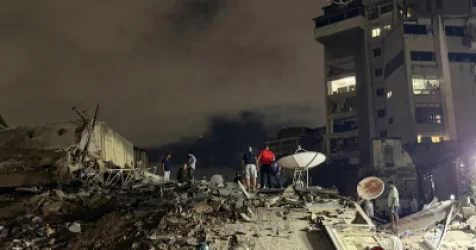
Why Monitoring in Artsakh is Conducted Using Strike UAVs: Abrahamyan

The article by Tigran Abrahamyan, head of the "Henakert" analytical center and former advisor on security issues to the President of Artsakh, discusses the operation of the Russian-Turkish peacekeeping center established to monitor the ceasefire regime in Artsakh. The author notes that unlike the Russian side, the Azerbaijani side conducts monitoring using strike UAVs, which raises numerous questions and concerns.
Within the framework of the implementation of the fifth paragraph of the trilateral statement of November 10, involving Armenia, Russia, and Azerbaijan, a ceremony was held in January for the opening of the Russian-Turkish peacekeeping center aimed at enhancing the effectiveness of monitoring compliance with agreements between the parties to the conflict. Aside from the official ceremony, little information is available about the activities, progress, and results of this center.
It is unclear how the joint operations of Russia and Turkey are organized, what procedures and regimes are in place. Consequently, it is difficult to ascertain the potential challenges and risks posed by these operations for Artsakh and its residents. From what I can understand from the limited information available in the media, the Russian and Turkish sides are conducting their activities separately, potentially under certain information exchange conditions, but each has its own professional groups, operation protocols, and so on.
Information from some Turkish sources indicates that besides representatives from the Turkish Ministry of Defense, active involvement from external intelligence representatives was noted during the negotiations for the establishment of this center, which raises significant questions about Turkey's real motives in participating in this monitoring center and its operations.
Moreover, this has provided Turkey with an opportunity to establish its military presence in the region and facilitate its subsequent geopolitical plans. In this regard, it is notable that, unlike the Russian side, which uses reconnaissance UAVs like "Forpost" and "Orlan-10" for aerial monitoring, Turkey conducts its operations with strike drones such as the "Bayraktar TB2." While the Turkish UAV may also have reconnaissance capabilities, the use of strike drones in civilian areas generates considerable questions and concerns.
Interestingly, initial discussions included not only aerial monitoring but also monitoring within Artsakh through patrolling units, which Russia seemed to oppose. However, there is still no clear information about the ultimate decisions made—whether they were postponed, suspended, or left unclear.
The possible presence or emergence of Turkish patrol vehicles in Artsakh would significantly escalate tensions, even if they operate in conjunction with the Russian side. Although Azerbaijan does not have any formal authority in this center and only provides the premises and general security, it is evident that it is fully leveraging the information derived from ongoing monitoring in close military collaboration with Turkey.
This information relates to any movements within Artsakh, including armed forces, as well as direct oversight of any objects or individuals of interest to Turkey and Azerbaijan that may possess sensitive characteristics.
From the perspective of effectively maintaining the ceasefire regime, the most crucial step would be the establishment of a demilitarized zone along the contact line of Armenian and Azerbaijani forces; however, the processes have progressed along the lines of "the right hand catching the left ear." In reality, Turkey and Azerbaijan have sought and achieved this model of ceasefire monitoring because their actual goal is not to prevent possible violations but to exert total control over Artsakh.
With Russia's support, Armenia must ensure the transparency of this center's operations so that Turkey does not operate beyond the established agreements and does not exacerbate the dangers of this center, which already poses significant risks for the Armenian side.
Նմանատիպ հոդվածներ
Azerbaijanis Throw Rocks at Vehicle Transporting Bodies of Fallen Soldiers
“Today is my last working day”: Hakob Arshakyan resigns as Minister of High-Tech Industry of Armenia
1097 New Cases of Coronavirus Disease Confirmed. 617 Recovered and 18 Deaths Reported
Turkish Driver Kills Armenian at Georgian-Russian Border
Ավելին Society բաժնից
Ռազմական ոստիկանությունն իրականացնելու է պարեկային ուժեղացված ծառայություն
Պայմանագրային զինծառայող է մահացել. նախաձեռնվել է քրեական վարույթ. ՔԿ

Ձերբակալվել է Գյումրիի համայնքապետի նախկին մամուլի խոսնակը