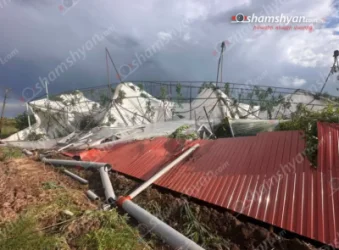
700 Volunteers Should Have Arrived in Shushi to Encircle and Eliminate Azerbaijanis

It is evident that Turkey's operations in Nagorno-Karabakh will not stop; this is discussed in the recent military exercises near the Armenian border. This was stated by the head of the Wargonzo project and prominent military journalist Semyon Pegov during an interview on 24TV's 'Position with Serob Oganyan'.
'For me, the war that took place in Artsakh is still not finished. I believe this is a broader conflict, not just a local one in Nagorno-Karabakh, but a large war against, among others, Russia. Knowing Turkey, they do not stop for a moment but continue to strengthen their positions, creating a threat to our allies, primarily Armenia. I don't think active hostilities will resume in Nagorno-Karabakh right now. I presume the situation will heat up in Donbass instead,' he said.
Pegov hopes that Russian leadership, especially President Vladimir Putin, is not under any illusions about relations with Turkey. 'The heads of the power structures with whom I communicate, due to my profession, do not harbor pro-Turkish sentiments. Everyone clearly understands that Turkey is working to dismantle and break up Russia. Turkish-Russian friendship exists only in the information space; in real life, when Russian air forces strike pro-Turkish militants, destroying their infrastructure, everything becomes clearer. A war is indeed ongoing between Russia and Turkey, albeit not through direct confrontation. That war has a more hybrid nature,' he stated.
The military journalist is also confident that the clashes in Artsakh foreshadow a larger war with Iran. 'There, it was not so much Azerbaijani but rather Turkish-Israeli forces fighting under American sponsorship, with Iran as the primary target. The precedent set in the territory of Artsakh can also be utilized by Ukraine and Georgia. Baku's successes may inspire Ukrainians, especially considering the buildup of troops in Donbass. Turkish 'Bayraktars' are also being used there. I hope that the boys from Donbass have learned from what happened in Artsakh,' he added.
Pegov believes that combat operations in Artsakh will resume if the war in Donbass restarts. 'This is an entire southern front—Donbass, South Caucasus, Syria. I don’t think Azerbaijan will try to start a large-scale war, but provocations will occur,' he noted.
The Russian journalist believes that all discussions suggesting that Armenia's defeat in Artsakh was necessary for Russia belong to the realm of conspiracy theories. 'Russia needs a strong Armenia. I am convinced that the Russian elite understands that a weak Armenia is very bad for Russia. What happened is also bad for Russia; it is a blow to our country. We need to help the Armenian side build a strong state that will be our robust ally in the region,' Pegov said.
Pegov also recounted the fall of Hadrut, emphasizing that he never claimed that Azerbaijanis could not capture the city. 'Aliyev was claiming that Azerbaijanis had captured Hadrut, but I was still going there three days later. As for why Hadrut fell, there are two opinions: either criminal negligence or betrayal. But it is very clear to me that Hadrut could have been held. The saboteurs who had entered the city had been discovered a few days prior. I have spoken with people who found those saboteurs and reported them up. Why Hadrut fell remains a mystery to me. It is connected to the chaos in the army or perhaps a conspiracy; I can't say right now, but it is clear that everything could have been prevented. There was indeed chaos in the army. Armenia was sending young boys who didn't know how to shoot as assistance, not professional soldiers. They were absolutely unprepared for combat operations, especially for strikes coming from the air,' he noted.
Նմանատիպ հոդվածներ
Ավելին Society բաժնից
Հյուսիսային Կալիֆոռնիայում գրանցվել է 90 տարվա ամենաուժեղ երկրաշարժը

Էբոլայի բռնկումը սրվում է․ ռիսկը գնահատվում է բարձր. ԱՀԿ
Մեծ Բրիտանիայում շոգը գերազանցել է 50-ամյա ռեկորդը