We Are Still Enemies: BBC Reports on How Armenians in Artsakh Adapt to Life

Russian peacekeepers continue to ensure the safe movement of returning residents in Karabakh daily. This is reported by the BBC's Russian service, which presents an extensive article on the situation in Artsakh after the war.
The reporters, who spent several days in Nagorno-Karabakh, note that “life in Stepanakert seems to have truly returned to a peaceful course, but in some areas, residents are not in a hurry to return to their former homes.”
“You can film everything except the observation points and soldiers,” the Russian peacekeepers instruct while passing through the Lachin corridor.
“As the car begins to descend the mountainous road to the border checkpoint, where the peacekeepers are on duty, a view opens up toward the small village of Ariavan: six rows of identical white houses with red roofs, which were originally built for Armenians who came from Lebanon,” describes the article's author, noting that before the 2020 war, about 300 people lived here, and after that, 87 residents returned to the village.
“I am guided by what Aliyev, Putin, and Erdogan have agreed upon. Everyone remains in their positions. This means we also remain in our homes,” the village head told reporters, explaining why he decided to stay and live in Ariavan, even though it is officially under Azerbaijani control.
As the reporters note, after the autumn war, part of cities and villages came under Azerbaijani control, and residents of Taghavard mention that they find themselves in an unusual situation: the new border literally divides the village.
“There are 135 houses left on the Karabakh side, while 137 are now under Azerbaijani control, which, by the way, has occupied all the strategic heights around the village,” the journalists emphasize.
The reporters also visited Martuni, which has been subjected to bombardment since the first days of the war, making it difficult to find a house in the city that has not been damaged. One of the Russian peacekeepers' observation posts is located here. According to the mayor, 80 percent of the houses have been affected, and 27 have been completely destroyed.
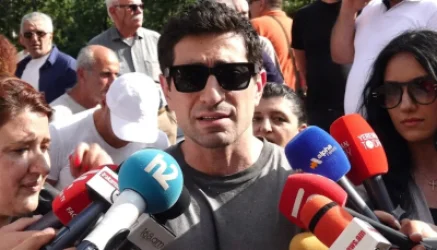
“We communicate with the Russian peacekeepers, help each other, and you could say we are making friends. I am confident that they can prevent war in the future. It is still too early to talk about whether we can communicate with Azerbaijanis if they live in towns and villages. We are enemies, we are still enemies today. I don’t know how it will turn out,” the mayor of Martuni said.
Նմանատիպ հոդվածներ
Ավելին Society բաժնից

Ձերբակալվել է Գյումրիի համայնքապետի նախկին մամուլի խոսնակը
Սեյսմոլոգը գնահատել է Վենեսուելայում հետագա երկրաշարժերի հավանականությունը
Մոսկվայի «Армения» խանութ-ռեստորանը կփակվի. նրա տեղում կբացվի «Вкусвилл»