Why Has Pashinyan Changed His Views So Often?
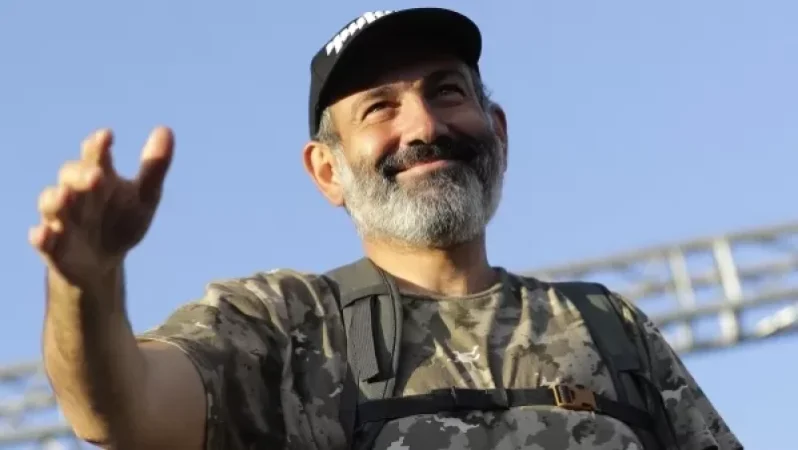
Prime Minister Nikol Pashinyan has spoken about a return to a semi-presidential system of governance, which he had previously criticized. He has expressed willingness to go for snap elections, and in the meantime demanded the resignation of the Chief of the General Staff, Onik Gasparyan. Why has Pashinyan abandoned his previous views, and how will the confrontation within the authorities and in the streets of Yerevan end? "RIA Novosti" has tried to clarify this with its extensive analysis presented below.
During a rally held at Republic Square among his supporters, Pashinyan stated: "We need to work to adopt a new or reformed Constitution through a national referendum." He did not rule out a transition from a parliamentary system to a semi-presidential one.
Pashinyan emphasized that he and his supporters are ready for snap elections. As he put it, since the opposition wants his resignation, he will determine his level of popularity during the voting. "We are confident in the people's stance; the people brought me to the premiership, and only the people can remove me. I want them to have that opportunity through voting, and I want to be sure that they will forgive my mistakes. And I challenge the parliamentary opposition to go for snap parliamentary elections," Pashinyan stated from the podium.
This sounded unexpected, as just a month ago, Pashinyan was using opposite words. In January, he claimed that the semi-presidential form of governance is the most ineffective since independence: "Together we have practically confirmed that this is a failed system that condemns the country to failures." His change of heart is influenced by the ongoing political crisis.
After the end of military operations in Nagorno-Karabakh, perceived as a defeat in Armenia, the country is boiling. The opposition is calling for Pashinyan's resignation, and protestors in the streets shout "Nikol, traitor!"
Against this backdrop, Pashinyan decided that now is the best time to respond to his critics. He gave an extensive interview, commenting on his predecessor Serzh Sargsyan's statement regarding the untimely use of Russian Iskander missile systems during the battles in Karabakh. "Let him ask why the Iskander missile didn't explode or why it exploded only 10 percent of the time," he indirectly criticized his opponent.
When a journalist questioned whether this was indeed the case, Pashinyan admitted that he is not aware of the details. "Maybe these are 1980s weapons," added the politician.
Pashinyan defended his views while attacking his opponents. He asserted that before coming to power, there was only one institution in Armenia: "the institute of corruption." "But we managed to eliminate it, and our team's specificity is that we have no money—neither personal nor public," Pashinyan stated.
It was at that moment that he also referred to snap elections. Pashinyan argued that the opposition is against snap voting, which is why the decision has been postponed until summer. In reality, Pashinyan's political enemies have linked this issue to his resignation. "Certain forces intend to use parliamentary elections as a platform for radical actions, which may threaten internal stability and increase external challenges," Pashinyan emphasized.
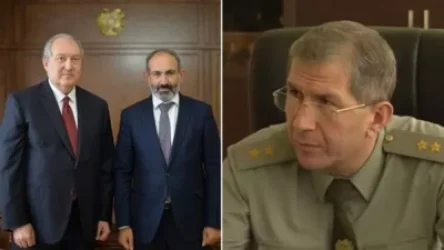
His speeches haven't gone unnoticed; the deputy chief of staff, Tiran Khachatryan, was critical of his words. This (or anything else) cost him his position as the Prime Minister dismissed the general. In response, the Chief of Staff demanded Pashinyan's resignation, stating that politicians are leading the country down a dangerous path.
Washington and Ankara's Support
After this, events began to unfold more rapidly. Pashinyan referred to what happened as an attempted military coup and called on his supporters to gather for a rally at Republic Square. As it turned out, Pashinyan had support abroad from Washington and Ankara. U.S. State Department spokesman Ned Price stated clearly: "The armed forces of states should not interfere in domestic politics. The U.S. advocates for democratic processes and institutions in Armenia; we firmly support this country's democracy and sovereignty."
Words of support from Ankara could be perceived as a blatant mockery. Public opinion in Armenia is negative towards Turkey, including as an ally of Azerbaijan. Turkish Foreign Minister Mevlut Cavusoglu condemned attempts to seize power in any country in the world. "This also relates to the events occurring in Armenia," added the foreign minister.
Pashinyan was not offended by this. He sent a request to the president to dismiss Chief of Staff Onik Gasparyan. The president denied it. "The president does not side with any political movement. Undoubtedly, the armed forces should also remain neutral," was stated in the response announcement.
Pashinyan persisted, returning the document to the president, who again denied it. Now, the demand for the dismissal of the Chief of Staff should automatically come into effect within three days. The president appealed to the Constitutional Court, requesting clarification on how the norms regarding the appointment of military personnel correspond to the constitution.
Speaking before his supporters, Pashinyan spoke words reminiscent of a confessional. He pointed to public affection as the cause of the government's mistakes. "And we, trying to justify this, wanted to do the right and ideal things. But the pursuit of perfection has led in many cases to inertia."
Meanwhile, in another part of Yerevan, on Baghramyan Avenue, the opposition was holding a rally demanding his resignation. But the multitude of opponents did not shake Pashinyan's resolve. He labeled Gasparyan a traitor, claiming he was allegedly inciting the military against him.
The general remained silent; instead, his daughter, Hasmik, responded: "It is absurd that a group of deserters speaks about the defenders of the homeland and calls them traitors. By the way, the intonation of such people is directly proportional to how far they are from the front lines," she wrote on social media.
At the same time, Pashinyan has also changed his position on another issue. After a conversation with Russian President Vladimir Putin, the Armenian Prime Minister admitted that he had been misinformed regarding the state of the Russian "Iskander-M" missile systems present in the republic. "Pashinyan's statement is unrelated to the content of Armenian-Russian allied relations and the quality of military and military-industrial cooperation in those relations. There is no doubt that Russian weapons are among the best in the world," said Pashinyan's spokesperson Mane Gevorgyan.
Political Maneuvers
Experts on Armenia and the region believe that Pashinyan's changes in stance are merely maneuvers. "The words that we must return to a semi-presidential system of governance have been sounded before. Many believe that it will increase the efficiency of the state system. In reality, Pashinyan's goal is to sow discord among the ranks of his opponents, many of whom will support reform. He hopes that the discussion of constitutional changes will distract society from current politics; thus, he uses the situation for his own interests and raises an idea he previously criticized," explained political scientist Hayk Khalatyan.
Regional issues expert Sergey Shakaryants sees the roots of the crisis in events preceding Pashinyan's coming to power. He also places responsibility on the former president, Serzh Sargsyan, who, according to him, undertook a radical reorganization of the state machine in favor of certain European values. "Parliamentary republics evoke laughter among many, while presidential ones evoke the desire to put forward one's candidate who will take all powers into his own hands," Shakaryants believes.
Candidate of Historical Sciences and expert in Caucasus affairs Stanislav Tarasov points out that a deadlock has been created where the opposition cannot remove the country’s leader, and the leader cannot divide the opposition. But due to the long-term crisis, the state itself is weakening. "The effectiveness of governance is declining, and this encompasses all aspects of life. Within the country, opponents have tried to carry out external political probing and have found out: there are now no forces interested in overthrowing Pashinyan through unconstitutional means. Moscow emphasizes that what is happening is Armenia's internal affair," noted Tarasov.
According to Tarasov, Pashinyan's abrupt change in rhetoric is a tactic for buying time. "It was said that he was misinformed about the Iskander. But all this is tactical maneuvering. In any case, a resolution to the political crisis will come; the sides cannot maneuver for long. Most likely, the situation will resolve by the end of the year," emphasized Tarasov.
Նմանատիպ հոդվածներ
Ավելին Politics բաժնից
Կարան տանեն տան, լցնի իր գլխին. ԿԸՀ նախագահի՝ կոշտ պատասխանը
Զախարովայի սկանդալային հայտարարությունը՝ ընտրությունների վերաբերյալ․ ակնհայտ է հայ հասարակության խնդրանքը
Պեսկովը` Հայաստանում տեղի ունեցած ընտրությունների մասին