Ministry Did Not Announce Competitions for Any Purchases from Torosyan's Wife's Company

The newspaper "Jamanak" reports that Arsen Torosyan, the former Minister of Health and now the head of the Prime Minister's Office, managed to sign a contract worth 72 million 680 thousand drams with Vardanish Tevanyan, the director of the "MIBS" company, before leaving his ministerial position. The contract was signed on December 28, 2020, under which "MIBS" will provide hospital services.
It is known that Arsen Torosyan led the "MIBS" company during the periods of 2011-2015 and 2016-2018, and after the revolution, the director of the center became his wife. Torosyan was the first director of the company (April 14, 2011 - January 20, 2016) and was then replaced by Vardanish Tevanyan (January 20, 2016 - January 10, 2017), after which Torosyan returned as director (January 10, 2017 - May 29, 2018). Two months after his appointment as minister, Torosyan left the company, handing over the position to his wife (from May 29, 2018 to present).
This is not the first time a major contract has been signed with this company. Between 2019 and 2020, the ministry also signed five contracts worth 124 million drams for providing paid services with "MIBS".
Interestingly, the Corruption Prevention Commission published a conclusion at the end of the year stating that there is no conflict of interest in the contracts signed between the Ministry of Health and the company led by Arsen Torosyan's wife. Although this conclusion was published on November 30, 2020, just days later, then-Minister Torosyan signed another contract with Vardanish Tevanyan.
In addition to the Ministry of Health, "MIBS LLC" has also signed contracts with the Yerevan Municipality. According to the procurement accountability electronic system armeps.am, from 2018, the municipality has signed four contracts with the company, amounting to about 30 million drams, specifically for medical services, computed tomography services, and computer and magnetic resonance imaging services.
The Ministry of Health did not announce competitions for any of the purchases made from the minister's wife's company. Of the signed contracts, five were made through the "single-source procurement" procedure, and one through the "expenditures not considered purchases" procedure.
Նմանատիպ հոդվածներ
Ավելին Politics բաժնից
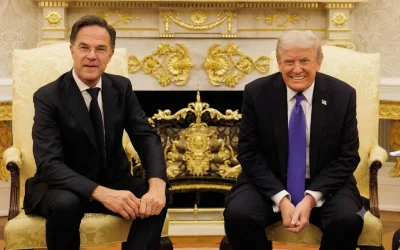
Ինչու է հենց Ռյուտեն ընտրվել ՆԱՏՕ-ի գլխավոր քարտուղար
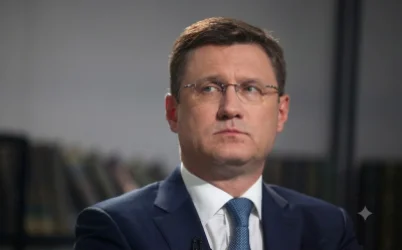
Ռուսաստանում հնարավոր է արգելվի դիզելային վառելիքի արտահանումը
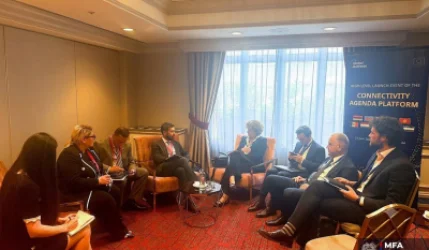
Բրյուսելում քննարկվել են հայկական արտադրանքի արտահանման հնարավորությունների ընդլայնման հարցեր