Current Measures for Border Security Are Highly Situational: Abrahamyan

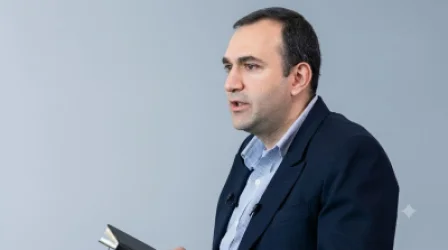
Director of the Analytical Center "Henaket" and former security advisor to the President of Artsakh, Tigran Abrahamyan, has written an article addressing the current situation in Syunik. The military actions that took place from September to November 2020 compel Armenia to completely rethink its security system strategy.
It should be noted that the threats arising from territorial losses in the war are not limited to Artsakh; they pose new dangers in the short, medium, and long term for the regions of Syunik, Vayots Dzor, and Gegharkunik.
However, these three regions have specific characteristics in terms of security. The dangers are particularly pronounced in Syunik, as some of the region's infrastructure is either under Azerbaijani control or in close proximity to it.
This discussion does not only pertain to highways or certain settlements. The energy system, passenger transportation, agriculture, and more are part of the ongoing concerns.
As a rule, when assessing the current situation in Syunik, the press repeatedly mentions the fact that a dozen private homes near the village of Shurnukh have come under Azerbaijani control, the deployment of Azerbaijani positions near Kapan Airport, the sounds of gunfire in certain parts of Kapan, or sections of the road leading in that direction now under Azerbaijani control.
Nevertheless, I believe that the current geopolitical situation has not yet been explored in its entirety. The problems emerge in various time frames.
For example, in the case of the much-discussed village of Shurnukh, border guard units of the NSS of Armenia are stationed in the vicinity, while Russian border forces are on duty in the village. Yet, just before reaching Shurnukh and in two sections of the highway leading to Kapan, around 50 meters away from the highway, Azerbaijani observation points are established, and there are no Armenian or Russian forces on duty in that segment.
A considerable portion of the road is very close to areas under Azerbaijani control, where we currently only observe the presence of Azerbaijani checkpoints; however, they must be analyzed in a much broader context.
Our movements – regarding military supplies, the Ministry of Defense, the NSS, the police, and the flux of officials – are all under Azerbaijani observation.
On the Azerbaijani corridor established in the Goris-Vorotan section, there are also monitoring systems installed that keep track of the traffic along the highway.
Considering that Armenia has closed arrangements with Azerbaijan, one of which was recently made public, it later compelled the Deputy Prime Minister of Armenia to admit that there are agreements, but disclosing them raises issues of confidentiality. It remains unclear what other surprises await us.
It is still uncertain how security in Syunik will be guaranteed in different directions along the border because if the guarantee is the agreements with Azerbaijan, they have expiration dates that may not be effective after some time. Secondly, reaching agreements with Azerbaijan is meaningless when you know what they truly think about you in Azerbaijan and what new problems Azerbaijan and Turkey keep on their agenda.
When speaking of border security, I do not merely mean positioning troops or carrying out patrol services along the highway; these only solve short-term issues, and under serious threats, they do not provide adequate protection.
The geographical position and terrain of Syunik provide an opportunity for building a robust security system, but on the other hand, it limits our flexibility and the potential for alternative infrastructure.
The problem is that whatever has been done at this moment for border security is highly situational. Merely ensuring observation posts or combat positions does not guarantee security.
Security must be understood as proper positioning, technical rearmament, forming necessary forces, and engaging in effective service while addressing challenges stemming from new infrastructures.
Ultimately, it is essential to define how, under conditions of situational changes, we should transition from preservation to protection with what forces and support, and in cases of counteroffensive or offensive, what deterrence and prevention issues need to be resolved in familiar territories under Azerbaijani control.
Currently, only situational solutions have been provided in Syunik, and even those are insufficient. The government has not articulated its challenges that have arisen post-war, creating an impression that it either lacks a deep understanding of the new threats or is simply incapable of initiating a serious process.
Նմանատիպ հոդվածներ
Breaking: Earthquake with Magnitude 2-3 Occurs in Yerevan
URGENT. I Consider the Chief of Staff's Statement an Attempt at a Military Coup, Prime Minister
Video: Soldiers' Tents in Lisagor Village Blown Away by Wind, Left Outside in Freezing Conditions
Artsakh Defense Army Releases Names of 29 Fallen Soldiers
Ավելին Society բաժնից

Արեգա Հովսեփյան․ Արցախցիների վերադարձը չի կարող համեմատվել ադրբեջանցիների տեղափոխման հետ

ՄԻՊ․ խոշտանգման յուրաքանչյուր դեպք պետք է քննվի անհապաղ, անկախ և արդյունավետ
IMEI նոր համակարգը կարող է հանգեցնել հեռախոսների վերահսկման՝ փորձագետ