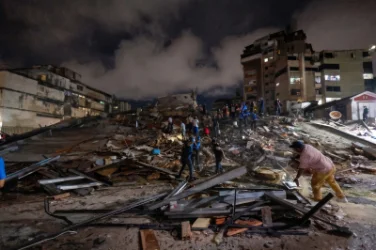
Weak Tremors Recorded in Armenia, Georgia, and Turkey; No Data on Major Earthquake

Numerous active seismic faults have been mapped in the territory of the Republic of Armenia. This was stated by the Chief Advisor to the Director of the Seismic Protection Territorial Service, Harachya Petrosyan, in an interview with NEWS.am.
He noted that there are about 10 seismic faults, with some sources mentioning 16 to 20. "One of the most seismically active is the Pambak-Sevan active fault. Throughout history, various intensity earthquakes have frequently occurred there, including stronger earthquakes than the 4.7 magnitude earthquake in Shorzha on February 5, which had a 6-7 magnitude intensity. Therefore, it is incorrect to talk about the emergence of a new focus or new seismic active fault. After the earthquake, 100 seismic tremors were recorded, and this number is constantly changing. Since their strength is weaker, we refer to them as aftershocks, and the Earth's crust is relieving tension, with the accumulated stress in the crust being relieved correspondingly to the strength of past earthquakes, making it a positive phenomenon that an earthquake occurs," said Petrosyan.
According to Harachya Petrosyan, medium-strength tremors relieve tensions that accumulate in the Earth's crust. "Of course, nobody wants there to be a medium or strong earthquake, but objectively, weak earthquakes that do not disturb anyone and medium-strength tremors that are not dangerous relieve the tensions built up in the Earth's crust," he emphasized.
Petrosyan noted that according to current data, aftershocks may continue. "In addition, there may be and have been weak tremors in the Republic and surrounding areas. There may also be medium-strength tremors. Yesterday and today, there have been weak tremors both in Armenia, Georgia, and Turkey. However, there is no monitoring data indicating that a strong earthquake is imminent; should such data become available, we will inform the public and the government in the accepted manner," he stated.
When asked about the potential impact of a 6-7 magnitude earthquake in Yerevan, Harachya Petrosyan reminded that the devastating earthquake in Spitak was felt in the capital with a 6 magnitude intensity. "A 6-7 magnitude earthquake has occurred; the 1988 Spitak earthquake was felt in Yerevan with a 6 magnitude intensity. Yerevan was primarily designed for 7 magnitude earthquakes during the Soviet era, with some parts in the southeastern region designed for 8 magnitudes, and parts of the southeast, known as the Tsetzi area, for 9 magnitudes. After the collapse of the USSR, seismic stability standards were created in Armenia based on our own norms, which took into account the lessons of the Spitak earthquake, and the seismic potential of the territory was recalculated. Currently, for example, all new buildings in Yerevan must comply with the standards for a 9 magnitude earthquake. The process of establishing new seismic construction norms is ongoing now," he concluded.
Նմանատիպ հոդվածներ
Earthquake Occurred 12 km Southeast of Yerevan
Blood and Skin Traces Found Under Nails of Arthur Ajamyan, Killed at Combat Position; Argument Preceded Death, Lawyer Says
Karen Continued Fighting After Being Wounded, Ultimately Committing Suicide with a Friend Without Receiving Help from His Commander
70 Accidents Recorded in Yerevan, Causing Traffic Gridlock in the City
Ավելին Society բաժնից
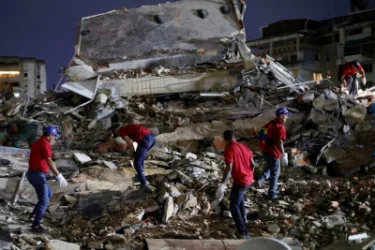
Վենեսուելայի երկրաշարժից հետո կան վիրավոր և անհետ կորած հայեր

Ֆրանսիայում ռեկորդային շոգի պատճառով ատոմակայաններ են կանգնեցվում
Անահիտ Մանասյանն ընդունել է Անդրանիկ Թևանյանի իրավունքներին առնչվող հարցերը բարձրաձայնող անձանց