Tigran Abrahamyan: Davit Tonoyan Must Speak to Partially Atoning for His 'Sins'
The head of the "Heniqet" analytical center and former advisor on security issues to the President of Artsakh, Tigran Abrahamyan, has published an article addressing the recent interview of former Minister of Defense Davit Tonoyan. The author notes that Davit Tonoyan must speak in order to at least partially atone for his 'sins' or to hold himself accountable before his conscience. He should open up, directly pointing out those responsible for the situation and providing an objective assessment of the geopolitical circumstances.
The article continues, stating that this is the first time Davit Tonoyan has made public statements since his dismissal, discussing both the recent military actions and certain criticisms directed at him. In the post-war phase, I have repeatedly mentioned that several former and current officials are obliged to speak and dispel the informational vacuum that was created during and after the war. I must admit that to this day, the public remains in an information blockade regarding this issue, which adds additional tension to the existing situation.
Davit Tonoyan did speak. I wouldn’t say he provided significant information on critical topics of public interest, but I hope he will elaborate on several problematic issues soon.
One important aspect that must be clarified from the outset is what prompted the former minister to speak, in this case, to defend himself. Is it related to the earlier criminal case involving his persona and certain controversies, or is it a response to the anti-campaign against him, particularly portraying him as the main culprit for the defeat? The Prime Minister has already publicly questioned this several times, stating that he is the primary responsible party, but is he the main culprit, pointing fingers at the General Staff of the Armed Forces and the Ministry of Defense, clearly aiming at the heads of those institutions?
What I am stating is not conjecture because from the very first days of the post-war phase, Nikol Pashinyan and his team have tried, directly or indirectly, to place the full responsibility of the situation on the military. Moreover, is Davit Tonoyan prioritizing his responsibility to convey information to the public, adhering to this principle? By the way, during those days, for reasons still unknown to me, General Onik Gasparyan and Defense Minister Davit Tonoyan seemed to enter that game, trying through various media to shield the Prime Minister, throwing themselves into the "burning bonfire." I assume that realizing the consequences of their actions for themselves, they later refrained from being the forefront of the government's propaganda, retreating from their initially assigned role and effectively going underground.
Turning to the actual interview, it is important to understand to whom the former minister's messages were directed. The addressees could be found in the government, the Security Council, the Ministry of Defense, the General Staff of the Armed Forces, or the opposition camp; however, there were no significant messages for the overwhelming majority of the public in this interview.
There is one episode I would like to highlight that reaffirms the current conversation's high value. Davit Tonoyan mentions, "We have suffered defeat in every aspect in this unequal battle, but that does not give anyone the right to play with our people's national dignity. We must stop this psychologically exhausting political nightmare that injects a feeling of inferiority among people, analyze our mistakes, draw lessons, and work."
To keep the public away from this political nightmare and the complex of inferiority, former and current Ministers of Defense of Armenia and Artsakh, the Chief of the General Staff of the RA Armed Forces, and various senior military officials must communicate with the public. The means and methods of communication should be decided by themselves according to the situation and appropriateness, but they must speak.
The effectiveness of that communication will depend on their sincerity and the volume and substance of the information conveyed. It is clear that there are things that are still not subject to publication due to basic security requirements, but those that are subject to publication should be disclosed as soon as possible, the sooner, the better.
I understand that the current political situation, and the pressures coming from the upper echelons of power, have not created the most favorable conditions, but at least gradually, public discourse must be initiated. Davit Tonoyan must still speak to partially atone for his 'sins' or simply to hold himself accountable before his conscience. He must open up, directly identifying those responsible for the situation and providing objective assessments of the geopolitical situation.
Նմանատիպ հոդվածներ
Ավելին Society բաժնից
Շատ հետաքրքիր դրական տենդենց ունենք. 200 000-ից ավելի աշխատավարձ ստացող շահառուների խումբը մեծացել է. Ավանեսյան
Ի՞նչ կաներ ՀՀ ղեկավարը, եթե չլիներ Ալիևի փաստաբանն ու կամակատարը. Տաթևիկ Հայրապետյան
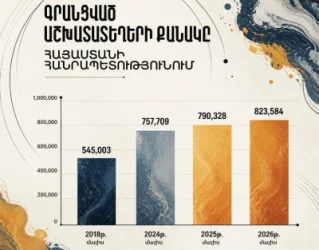
823,584 աշխատատեղ՝ պատմական ռեկորդ Հայաստանում, հայտնում են ՀՀ կառավարությունից