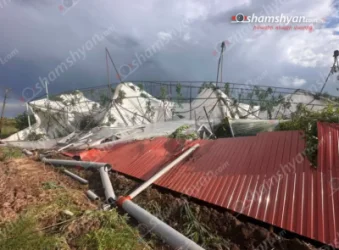
Azerbaijan Puts Armenia at High Risk of Environmental Hazards

The Minister of Environment Romanos Petrosyan has once again addressed the executive secretaries of environmental conventions, international organizations, and partners, drawing their attention to the severe consequences caused by Azerbaijan, supported by Turkey and the involvement of foreign mercenary-terrorists, during the 44-day war.
During the war, Azerbaijani armed forces employed internationally prohibited cluster munitions, white phosphorus, and weapons containing thermitic materials against the people of Artsakh. Such actions have inflicted irreparable harm on the environment, leading to widespread forest fires and the contamination of air, soil, water, as well as plant and animal life.
These hazards pose significant threats to the environment, notably impacting compliance timelines and frameworks associated with international environmental treaties and conventions. The full extent of the environmental damage is still subject to detailed monitoring and assessment.
It is important to note that Azerbaijani aggression has not been limited to Artsakh but has also spread into the territory of the Republic of Armenia. Currently, Armenia faces a high risk of environmental hazards, specifically:
- Loss of forested areas, forest degradation, and increased risk of forest fires.
- Deliberate damage to the “Artsvaberd” and “Syunik” forestry.
- Loss or disruption of water, sanitation, and waste infrastructure, tailings, and more.
- Physical damage to landscapes, geodiversity, and biodiversity.
- A significant amount of debris and rubble that may lead to air and soil pollution, etc.
In this challenging period for Armenia, the heavy consequences of war cannot be managed unilaterally. The Ministry of Environment of the Republic of Armenia and Minister Romanos Petrosyan urge the international community to actively engage and assist in the thorough assessment of environmental damage in Armenia and to mitigate the critical situation created in the border areas.
The letter has been sent to:
- Sh. Sharp, UN Resident Coordinator in Armenia
- M. Urego, Secretary-General of the Ramsar Convention
- E. Mrema, Executive Secretary of the Convention on Biological Diversity
- J. Truvie, Executive Secretary of the AEWA Agreement on the Conservation of African-Eurasian Migratory Waterbirds
- E. Frenkel, Executive Secretary of the Convention on the Conservation of Migratory Species of Wild Animals
- W. Stik, Secretary-General of the Bern Convention
- I. Andersen, Executive Director of UN Environment Programme
- B. Oberlin, Director-General of International Union for Conservation of Nature
- Frans Timmermans, Executive Vice-President of the European Commission responsible for the European Green Deal
- Virginijus Sinkevičius, Commissioner for Environment, Oceans, and Fisheries
Նմանատիպ հոդվածներ
Trilateral Meeting of Chief Prosecutors of Armenia, Russia, and Azerbaijan Held in Moscow
Biography of Newly Appointed Minister of Health Anahit Avanesyan
Seyran Ohanyan Warns to Be Cautious of Turkish-Azerbaijani Military Exercises
Residents of Drmbon Village in Artsakh Ask Russian Peacekeepers for Help in Unimpeded Movement from Martakert to Vardenis
Ավելին Society բաժնից

Հյուսիսային Կալիֆոռնիայում գրանցվել է 90 տարվա ամենաուժեղ երկրաշարժը

Էբոլայի բռնկումը սրվում է․ ռիսկը գնահատվում է բարձր. ԱՀԿ
Մեծ Բրիտանիայում շոգը գերազանցել է 50-ամյա ռեկորդը