Armen Sarkissian Meets with Representatives of Youth Organizations

President Armen Sarkissian has met with representatives of youth organizations. During a dialogue lasting approximately two hours, President Sarkissian and more than forty participants—young scientists, representatives from the fields of education, culture, business, and civil society—exchanged ideas about the situation in the country, expressed their concerns and viewpoints, and discussed potential solutions to the current crisis.
“As president and as an individual, I have many concerns,” President Sarkissian said, addressing the youths. “One of my concerns is about your generation because if your generation, educated and developed, does not see its future in this country, it will lead to a painful outflow. You are indeed the future of the country. All conversations and discussions about this country today are actually about you. It’s not about what we do today or what we do tomorrow, whom we choose or not choose, but rather how we ensure that the country has a future, and that future is you.”
The participants posed various questions to the President. In response to a query regarding border demarcation and its implementation through GPS or similar methods, President Sarkissian stated that it is a very painful issue, a consequence of our defeat in the war, as well as the fact that many state institutions are not functioning, as demarcation itself does not happen without these institutions. “You spoke about methods such as GPS, Google Maps, or the corresponding demarcation decisions from the Soviet Union... However, first of all, we need people, professional people who understand what demarcation is, and secondly, we need security forces to be present because the representation of the state must be there,” said the President. “Unfortunately, in many places, both are absent. On this occasion, I raised my voice, I have no other option; I cannot give instructions to the relevant minister. Given the situation, as the head of state, I wrote a letter to Russian President Vladimir Putin, asking him to support solutions to these issues as a signatory to the declaration. In that letter, I also pointed out potential solutions; for example, from 1984 to the end of 1988, demarcation discussions took place, and not just discussions but negotiations led to the signing of a demarcation document by the deputy heads of the governments of two Soviet republics, in other words, it was essentially a finished process… We need to have negotiators who together with security forces or separately conduct these negotiations; otherwise, this is a one-way street— they come, they decide, they plant a pole, and leave.
After such wars, there will be a huge number of legal disputes in which we need to present ourselves at a very high level and be able to defend our state and national interests. However, the primary issue today is the representation of our state on that border. If there isn’t a representative of the state standing at the border, then it will be impossible to apply anything.”
One question raised by the participants was regarding dialogue between various political forces and ideas. It was suggested that the President create a platform for that dialogue. “What you mentioned concerns a non-existent dialogue,” the president stated, “the dialogue is supposed to be between the government, the authorities, and the opposition. We all know how this society has become divided into blacks and whites over the past 2.5 years. I didn’t invent this term, like it or not, I use it because it exists. We have a very strange situation—black and white. You cannot simplify people’s ideas and ideologies into black and white. Black is not our color, and white is not our color; our color is tricolor… We need not just dialogue. There is a need for the political circles that are responsible for the future of the country to communicate with each other. That is why, from the very first days after the end of the war, when I expressed my stance and proposed a solution, I started meeting with political circles. My task is to find common points where I can bring them together for dialogue. Unfortunately, I see that these common points are very few. The tricolor Armenia is absent in these conversations; it is not present. I suggested that this institution become the place where the parties come together to talk. I support the idea that the majority should speak; that is why I suggested that the government should resign, after which a new government should be formed, which would be a national consensus government. In that government, everyone must be professionals; no one should present any party or party ideology. It should operate on a short-term basis and have a clear agenda, allow all political forces to prepare for elections to be held in a year, and provide an opportunity for this tricolor Armenia to birth new parties, new groups, and new individuals. Today, your choice is between white and black, but it in reality does not happen that way. We should not wait for a savior to come. It is not about having a savior; rather, we all need to agree on a principle, a vision, a program. That savior must be the state, the statehood, and the state institutions, so that the ministry is not identified with the individual, and the prime minister is not identified with the government. We need to have institutions that work. Many of our institutions are not functioning; they have not developed as such over the past 30 years.”
In this context, the president emphasized the need for a strong leader: “A strong leader is one who is not afraid of stronger people than himself. Strong leaders must be people who not only show the way, who are good managers, but who also carry responsibility and are ready to answer for their mistakes at every moment,” President Sarkissian noted. “I will do everything to ensure that existing political forces try to talk to each other rather than oppose each other in the streets. If elections are held tomorrow, that opposition will carry over to the polling stations. We cannot lead the country to civil strife. The tricolor Armenia must start speaking.”
Addressing the youth, the president said, “My first message to you is the following: start talking; you know where to take the country. You are ready with your education and positions to listen, understand, and at the same time participate in shaping such a path. You will be responsible for this country’s future for the next 30 years. The time has come for you to decide where the country should go. I am willing to support you in all your initiatives, but know that there will be no savior. Neither I am a savior nor is anyone else. But I am ready to guide you in some places, cooperate with you, advise you, support you so you can take the future of this country into your hands instead of sitting back waiting for someone to lead this country for you. I am fully prepared to support you. You are the future of this country, not me.”
After the signing of a tripartite agreement, we see that protests demanding the Prime Minister’s resignation are heating up day by day, and we also see disproportionate and often brutal use of force by the police. What is the president’s perspective, and how does he explain the fact that he is also in favor of the government’s resignation, yet continues to sign documents presented by the Prime Minister? In response to these inquiries, President Sarkissian remarked, “Such incidents occur every day; someone is pushed, someone faces brutality. Imagine if the president spoke about this every day. When it becomes unacceptable, intolerable, I will definitely speak up. In 2018, I came into the public square because I felt a huge risk of confrontation. I met Nikol Pashinyan for the first time in that square. I went to the square to prevent confrontation. I need to use my very few tools very effectively, to speak when it is truly impossible to remain silent. When I talk about dialogue, I mean that the street’s conversation with the most pointed words should be moved into this building. I began with the Prime Minister, I met with everyone, I circulated, came back, met with the Prime Minister again, and then I met again with the opposition leaders. I have made it very clear that the government must resign. They tell me, ‘Mr. President, you said that the government must resign, but you signed the appointment of the foreign minister.” Yes, I signed because when the Foreign Minister of Russia or the Minister of Defense comes to negotiate, the seat of Armenia’s Minister of Foreign Affairs or Defense cannot be empty. But I have demanded the resignation of the government. And I will insist that the only way that is normal at the moment is the resignation of the government and the formation of a professional government. Only a professional government can be a national consensus government. In all other cases, we will fall into chaos. There must be a clear goal—to solve the problems in one year and prepare the country for elections. We need to change the electoral code. We also need to amend the Constitution. Changing does not mean moving from presidential to parliamentary or from parliamentary to presidential. Both can be wonderful, and both can be bad if there aren’t clear logical tools called checks and balances. Now regarding the laws: I am presented with a law, for example, regarding the budget by which people must receive salaries, or laws containing amendments. If you do not correct that error, somehow people’s pensions do not reach them. Now I can declare that since I said the government must resign, I will not sign these laws. This is called presidential inaction. Especially since, if I do not sign, the Speaker of the National Assembly will sign within three days, and it will become law. This is called cheap populism. The president must keep his feelings at home when an institution comes; he must work with logic and cold calculation. One thing this institution and the president must constantly avoid is populism. Even in times of crisis, the president must sign those laws that the state needs and are necessary for today’s operations. I will not be a populist.”
According to the president, “we need to re-evaluate our past path, for which we need an audit in all sectors—from state-building to the military, sports, culture, and especially education and science. Because in the 21st century, both agriculture and tourism and electronics will be digitized depending on how effectively you manage. Armenia must become a country of quality; what we produce must be of the highest quality, and we must best utilize our advantage and greatest resource—human potential.”
Regarding tomorrow, the president specifically emphasized, “The 21st century is the age of new technologies, and it is up to us what kind of state we want to have… People will start wanting the simplest things; they will tire of political debates, political statements, and Facebook gossip; they will want the most basic things—a piece of bread, a home, education for their children, and assurance that those children have a future. And for that, solutions are needed. There must be stability in the country. The time has come for us to believe in real values and think about them. Let’s look truth in the eye, no matter how pleasant or unpleasant that truth may be, but that is the way forward; we must face the truth, see where we are, stand up on our feet, and move forward together.
Նմանատիպ հոդվածներ
No unit has participated in any action in the area. The Ministry of Defense clarifies the battles in the Hadrut region
4 Armenian Prisoners Returned to Armenia with Mediation of Russia and ICRC
The Defense Army Withdraws Latest List of Fallen Soldiers Due to Inaccuracies
Defense Army Releases Names of 45 Soldiers Killed Defending the Homeland
Ավելին Society բաժնից
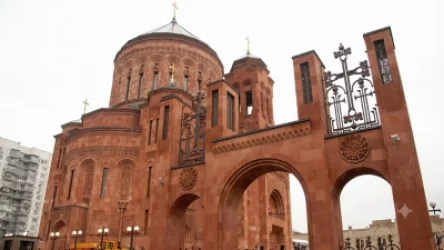
ՀԱԵ ՌԴ-ի և Նոր Նախիջևանի թեմի հայտարարությունը` վարժանքներին մասնակցող հոգևորականների մասին
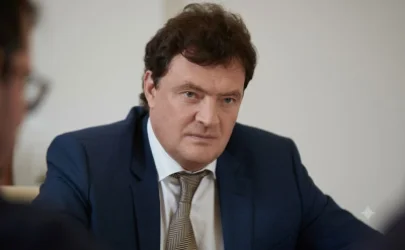
«Աէրոֆլոտի» նախկին ղեկավար Միխայիլ Պոլուբոյարինովը դարձել է քրեական գործի հետաքննության անձ

Իրանում ամբողջությամբ վերականգնվել է օդային երթևեկությունը