Armen Sarkissian Meets with Representatives of the Public in Gyumri

The President of the Republic of Armenia, Armen Sarkissian, met with representatives of the public in Gyumri. This was reported by the Public Relations Department of the President's Office.
During a conversation lasting about two hours, President Sarkissian and more than two dozen participants—representatives from the fields of science, education, culture, law, business, and civil society—exchanged views on the current situation in the country, expressed their concerns and opinions, and discussed ways to resolve the existing crisis.
“There comes a moment when you must try to set aside your emotions and, thinking coldly, plan what you will do tomorrow,” the president said. “When we suffer great loss, emotions cloud our minds and our ability to think clearly, but at some point, we realize that life goes on, and no matter how difficult it is, we must make decisions because those decisions affect not only your present or future state but also that of others, your family, your relatives, your friends. In my case, I bear more burden even though I do not have direct responsibility for many issues, yet that does not reduce the weight of it. On the contrary, it becomes heavier because often you know the problem, the solution, even say it, but still, no one is listening.”
The president highlighted that the people voted and decided that we have a parliamentary state. “Whether the presidential or parliamentary system is better or worse is secondary. If you do not have balances and mechanisms of restraint, each can turn into plain dictatorship. It does not matter what the dictator's name is—whether it is a president, a prime minister, a king, or anything else, if there are no mechanisms of restraint and balances. And our Constitution lacks this,” he said.
Speaking about the current situation in the country, the president remarked that we are in a deep hole that could become even deeper. “It is clear that our economic difficulties will deepen, and the health situation, related to the coronavirus, will worsen. It is clear that we have a significant demographic problem, and if we cannot resolve certain issues or awaken hope in the people, show them light at the end of the tunnel, many will leave the country. Intellectuals, especially young professionals, will leave.”
He also addressed the humanitarian issue, citing the large number of homeless people who have come from Artsakh. “We do not see that the relevant services are doing enough work to resolve this issue. The situation is more severe than we speak of because we have accumulated enormous problems over 30 years,” the president said. “Let us think together about how we reached this point. Today, we have a massive issue related to the malfunctioning of state institutions. For all these years, all our state institutions have been personalized. How were we planning to win a war if state institutions could neither cooperate nor perform their duties properly? There is no discipline.”
“Twenty-six years ago, we had a magnificent victory. The reasons are many—the spirit of the people still exists today. I met with injured soldiers, and they have phenomenal spirit; they did not lose in the war. In 1994, we won because we transformed volunteers into an army quickly and were several years ahead of the enemy in terms of organization and readiness. People like Monte came from other countries who had previous experience. Generals, colonels, and majors from the Soviet army came and formed a gigantic force from the volunteers, which is why we won. But now we are years behind.”
Regarding demographics, he questioned, “What have we done over 26 years? Why couldn't we make the population of Artsakh at least half a million? I am not even saying a million. If there had been a million people, there would have been no war because no one goes to war over territories where a million people live. Let us think about how it was that we had 26 years and thought we had won, that the issue was resolved, when every day the enemy was acquiring weapons, declaring, ‘I am coming to take it,’ and we ignored it... We can return to conspiracies, that great powers did this or that, but let us look at ourselves. If we continue this way, that our problems are being solved somewhere, on another planet... Yes, great powers have their interests; our problem is to assert our interests.”
Նմանատիպ հոդվածներ
The Defense Army Withdraws Latest List of Fallen Soldiers Due to Inaccuracies
Defense Army Releases Names of 45 Soldiers Killed Defending the Homeland
No unit has participated in any action in the area. The Ministry of Defense clarifies the battles in the Hadrut region
4 Armenian Prisoners Returned to Armenia with Mediation of Russia and ICRC
Ավելին Society բաժնից
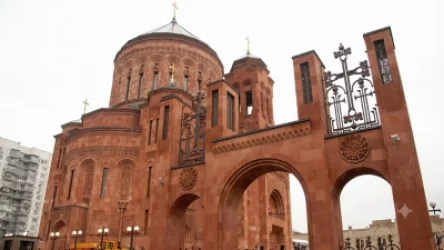
ՀԱԵ ՌԴ-ի և Նոր Նախիջևանի թեմի հայտարարությունը` վարժանքներին մասնակցող հոգևորականների մասին
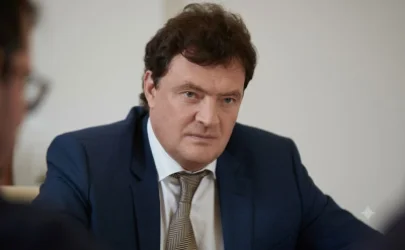
«Աէրոֆլոտի» նախկին ղեկավար Միխայիլ Պոլուբոյարինովը դարձել է քրեական գործի հետաքննության անձ

Իրանում ամբողջությամբ վերականգնվել է օդային երթևեկությունը