A Significant Portion of the Armenian Map in Azerbaijani Military Booklets is Depicted as Historic Azerbaijani Territory, Says Armenia's Human Rights Defender
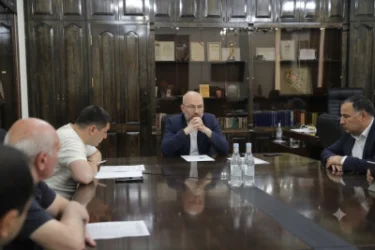
It is evident that in the face of these challenges, we need unity and solidarity more than ever, respect for one another, and the elimination of any developments that lead to tension within our country— all for the sake of protecting each individual and the rights of our entire people. This was stated by Armenia's Human Rights Defender Arman Tatoyan.
He elaborated in a detailed post: "These are maps that Azerbaijani soldiers keep in special booklets. In these maps, a significant portion of the Republic of Armenia is depicted as part of Azerbaijan’s historical territory. These findings have been documented by the Office of the Human Rights Defender of Armenia during constant monitoring activities.
Accompanying these maps are texts that clearly contradict reality, which are directly tied to the organized propaganda of hatred and enmity conducted by Azerbaijani authorities. Moreover, these texts are accompanied by expressions that incite deep hatred against Armenians, such as: 'this land belongs to me, you, and us,' 'a dignified citizen should not tolerate the desecration of symbols,' 'symbols must be preserved as the honor, respect, and dignity of the country,' and 'all symbols are sacred' among others.
For instance, one of these texts states: 'When the Russian Empire collapsed, the territory of Azerbaijan was 130,000 square kilometers, and the territory of the Azerbaijan Democratic Republic from 1918 to 1920 was 114,000 square kilometers. During the Soviet period, 10.9 thousand square kilometers were given to Russians (the Derbent Khanate, 7 thousand square kilometers), Armenians (up until 1923, the regions of Zangezur, Yeghegnadzor, Lake Sevan, Dilijan, border villages, 40 square kilometers in 1946, 7.6 square kilometers from Tovuz in 1969, and approximately 50 square kilometers from Kazakh). Georgia was given 9.5 thousand square kilometers, meaning over different periods, 27.4 thousand square kilometers in total. From the remaining 86.6 thousand square kilometers, 13.110 square kilometers are still occupied.’
All of this is directly related to the jurisdiction of Armenia's Human Rights Defender because it concerns the guarantee of the life, property, and all other rights of the entire population of Armenia and the Armenian people, protecting them from torture and inhumane treatment.
It is this kind of organized propaganda that has over the years led to the institutionalization of an environment of hatred and enmity based on ethnic identity toward Armenians in Azerbaijan. The investigation by the Human Rights Defender shows that these are among the main reasons that the Azerbaijani armed forces have committed and continue to commit war crimes and crimes against humanity during the wars of April 2016, September-November 2020, and other periods (such as beheadings, executions, tortures, and more).
The professional examination of videos documenting the atrocities by experts from the Office of the Human Rights Defender has confirmed that Azerbaijani soldiers, when torturing or killing Armenian soldiers or civilians, or when dismembering the bodies of the deceased, use expressions that stem from the very propaganda theses mentioned.
All of this is backed by real and concrete evidence obtained by the Human Rights Defender of Armenia. Clearly, in light of these challenges, we must unite and show solidarity, ensuring mutual respect and eliminating any type of development leading to tension within our nation—all for the protection of the rights of each individual and our entire people.
The international community, especially the international organizations mandated to protect human rights, should take decisive steps to prevent the unacceptable propaganda of hatred and enmity toward Armenians based on ethnic identity, which is carried out using information that blatantly contradicts reality. They must prove that they are true to their calling and mission, remaining faithful to the international norms they have set.
This analysis will be compiled within the Office of the Human Rights Defender and sent to international bodies, as well as, of course, provided to the relevant structures in Armenia."
Նմանատիպ հոդվածներ
Another Video of Captured Armenian Soldier Appears on Social Media
Russian Border Guards to Be Deployed in Certain Areas of Armenia-Azerbaijan Border: Ministry of Defense
Steps are Being Taken Through the Mediation of the Russian Peacekeeping Forces to Determine the Likelihood of Armenian Soldiers' Captivity: Artsakh Defense Army
Three Days of Mourning in Armenia and Artsakh
Ավելին Society բաժնից

«Աէրոֆլոտի» նախկին ղեկավար Միխայիլ Պոլուբոյարինովը դարձել է քրեական գործի հետաքննության անձ
Իրանում ամբողջությամբ վերականգնվել է օդային երթևեկությունը
3 անձի կողմից 5.5 կգ թմրամիջոցի ապօրինի իրացման փորձի վերաբերյալ նախաձեռնված քրեական վարույթի նախաքննությունն ավարտվել է