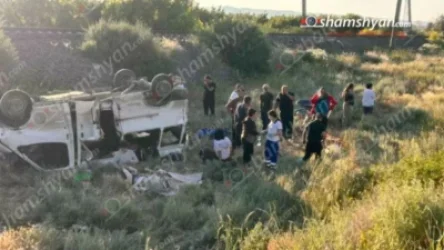
Foreign Minister Gives Interview to Le Monde Newspaper

The Foreign Minister Ara Ayvazyan has given an interview to the Le Monde newspaper.
Question: You took office in the aftermath of defeat in the war. What are your priorities?
Answer: We are currently working in a crisis diplomacy environment. We are facing many urgent challenges, including stabilizing the situation, avoiding further escalations, and addressing the needs of displaced persons (70% of the population of Artsakh has been forced to leave their homes, with only 30% currently recorded as having returned). We are also continuing work on the exchange of prisoners of war, civilians in captivity, and the bodies of the missing. All these issues require solutions.
Question: What stage is the prisoner exchange process with Azerbaijan at?
Answer: Preliminary lists have been drawn up. A principled agreement has been reached between the two countries for an exchange based on the “all for all” provision. I wouldn’t want to specify exact numbers, as there are doubts that Azerbaijan is providing the real number of Armenian prisoners of war, and they may be much more. However, it is crucial to urgently find a solution to this issue, as it has been proven that Armenian prisoners of war and civilians in captivity are subjected to inhumane treatment. We are working with our partners, particularly the International Committee of the Red Cross, to ensure their immediate return. It is known that the ceasefire declaration of November 9 does not set a deadline, and Baku is using this circumstance to exploit the issue, demonstrate inhumane treatment towards prisoners of war and civilians in captivity, and affect the internal political situation in Armenia.
Question: Is Armenia planning to bring charges related to suspected war crimes?
Answer: The painful lessons of history have taught us that the Armenian Genocide was carried out because of impunity. During the war against Artsakh, UN High Commissioner for Human Rights Michelle Bachelet expressed concern regarding the war crimes committed by Azerbaijan. Armenia is documenting all proven cases and will forward them to competent international organizations to hold the perpetrators accountable.
Question: Over the past 20 years, the Minsk Group, responsible for resolving the Nagorno-Karabakh conflict, has failed and subsequently been left out of the ceasefire agreement. Do they still have a role to play?
Answer: We have witnessed numerous criticisms directed at the co-chairs of the Minsk Group by Azerbaijan and its supporters. However, we have always believed and continue to believe that the co-chairs of the Minsk Group have played a decisive role in allowing for a relatively stable peace to be maintained in the region over the past twenty years. It should also be noted that there has been no peacekeeping force between the warring parties in the current situation. A visit by the three co-chairs is anticipated soon, and we hope they will help resolve all outstanding issues.
Question: The enclave of Nagorno-Karabakh is not recognized by the international community. Does Armenia plan to do so?
Answer: The right to self-determination of peoples is the cornerstone of peaceful negotiations. Armenia has not recognized the independence of Artsakh solely to provide an opportunity and chance to achieve a resolution to the Nagorno-Karabakh issue through negotiations. Some are mistaken today in believing that the issue of Artsakh’s status has been removed from the agenda due to the use of military force. In this regard, the Minsk Group co-chairs have reiterated that the issue of Artsakh’s status will continue to remain on the agenda, which is satisfactory. In the event of Azerbaijan's disagreement on this issue, Armenia will consider the process of recognizing the Republic of Artsakh.
Question: President Erdogan was in Baku on Wednesday and Thursday. What kind of relations do you envision with Turkey in the future?
Answer: Currently, we do not have diplomatic relations, although Armenia has not set any preconditions, including the recognition of the Armenian Genocide for the normalization of relations. Everyone witnessed Turkey's involvement during Azerbaijan's recent aggression against Artsakh. Recently, Turkey has been transferring mercenaries to various regions with the aim of destabilization. In recent years, we have been told about a “new Turkey,” yet the international community has witnessed that Turkey has not changed over the last 100 years. The hatred towards Armenians that prevailed in the Ottoman Empire has not disappeared; moreover, it has found new fertile ground in the guise of Turkey's brotherly Azerbaijan.
Question: What is your opinion on Russia's actions during the conflict?
Answer: This is quite a comprehensive question. You are familiar with the statements made by Russian President Vladimir Putin indicating that Armenia is Russia's strategic ally, while Azerbaijan is a strategic partner. Vladimir Putin and Sergey Lavrov have made immense efforts to stop the fighting. There have been three attempts to establish a ceasefire during the course of 44 days. The Armenian people appreciate the efforts in this direction, which have saved thousands of lives. The presence of Russian peacekeepers in Artsakh (1960 soldiers) aims to prevent new conflicts.
Question: Prime Minister Nikol Pashinyan has been discredited in the eyes of some segments of the population after the defeat. How can the government overcome this political crisis?
Answer: Any country undergoing such a severe shock would find itself in the same situation. Armenia is not a flawless democracy, but we have made significant progress in this area. Unity within society around the idea of preserving the interests of Armenia and Artsakh can help us overcome this crisis. For 600 years, our ancestors have sought to create an Armenian state from which we have been deprived for centuries. Our generation has the opportunity to participate in building this independent state. We have no right to endanger its existence and security.
Նմանատիպ հոդվածներ
Another Video of Captured Armenian Soldier Appears on Social Media
Steps are Being Taken Through the Mediation of the Russian Peacekeeping Forces to Determine the Likelihood of Armenian Soldiers' Captivity: Artsakh Defense Army
Russian Border Guards to Be Deployed in Certain Areas of Armenia-Azerbaijan Border: Ministry of Defense
Three Days of Mourning in Armenia and Artsakh
Ավելին Society բաժնից
Եվրոպայում անոմալ տապի պատճառով էլեկտրաէներգիայի գները բարձրացել են
ԼՂ-ից բռնի տեղահանվածների շրջանում ՀՀ քաղաքացիություն ստացողների թիվն ավելացել է
Հորդանանի մայրաքաղաքում ֆուտբոլային երկրպագուների հավաքի ժամանակ հրմշտոց է տեղի ունեցել