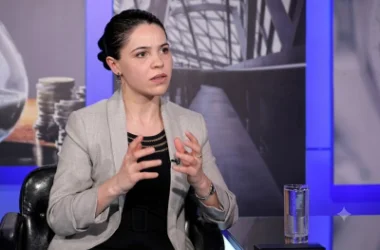
Prime Minister Discusses Prisoners During Security Council Meeting

During the extraordinary meeting of the Security Council, Prime Minister Nikol Pashinyan emphasized the importance of the prisoner exchange process, stating that there is potential for significant progress. "We need to make concrete decisions today or tomorrow," he noted.
Pashinyan also expressed the necessity of providing information to the Security Council and parliamentary colleagues regarding the process of retrieving the bodies of the missing and deceased, outlining the current state of the process and upcoming actions to address these issues as swiftly and effectively as possible. "This will be the framework of our discussions today," he said.
He pointed out that there has been a considerable increase in disinformation flowing from the backdrop of natural tensions and certain developments, which poses a real threat to national security. "We must understand how we manage this situation. It is crucial that respected representatives of the opposition are present at this discussion so we can outline our collective responsibilities in this process," he added.
Pashinyan emphasized that this informational terrorism has also alarmed opposition partners, noting that he received calls and alarms from opposition representatives early in the morning. He urged that concrete actions must be taken in this regard, suggesting that this issue could form part of a common agenda for collaboration between oppositional and governmental representatives.
He stated, "As they say, no evil comes without a good. At least, this informational terrorism, which surged since yesterday evening, could become the focal point where representatives from both sides can outline common actions and make decisions that won't be perceived as opposition against the government or vice versa." This is a topic for discussion to explore what actions can be taken moving forward.
Overall, Pashinyan described the situation he referred to as manageable, asserting that there is no need to panic. "We just need to make decisions and, of course, we will make those decisions. They may raise questions, and we are indeed ready to answer all questions. The key is to correctly present to the public why each decision is made and the reasons behind the situations that arise," he stated.
Նմանատիպ հոդվածներ
Enemy Attempts Offensive: Three Reserve Soldiers Injured, Artsakh Defense Army Reports
Nothing Has Entered from the Artsakh Border: MoD Responds to Reports of 'Bayraktar'
According to our information, Russian peacekeepers are also in the blockade: Nikol Pashinyan
Russian Border Guards to Be Deployed in Syunik, No Secret Document Signed - Ministry of Defense
Ավելին Politics բաժնից
Մարկո Ռուբիոն Պարսից ծոցում քննարկել է Իրանի հետ համաձայնագիրը
Փաշինյան․ Ղարաբաղյան շարժումը շարունակելու փորձերը բերելու են Ադրբեջանում հայելային արձագանքի
Արամ Վարդևանյանը խոսել է ՍԴ-ի չափանիշների և ընտրությունների մասին