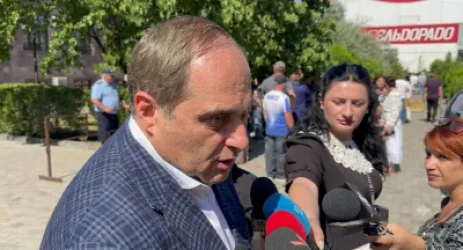
What to Do: Vardan Oskanyan

The failure of diplomacy leads to war, but when you lose a war, the need to reset diplomacy becomes a pressing necessity. This is the essence of Vardan Oskanyan's article, the former Minister of Foreign Affairs of Armenia.
He specifically notes: “History is full of examples where, after a crushing defeat in war, skilled diplomacy has managed to restore losses and correct mistakes during peace treaty negotiations. In 1814-15, after France's devastating defeat, due to Talleyrand's diplomatic talent, France emerged with the least possible losses at the Congress of Vienna. It not only maintained its pre-war borders but also played a significant and weighty role in the new European system formed in Vienna. Without these diplomatic skills, France would have faced a much heavier economic burden, lost territories, and faced isolation for at least the next decade. The same goes for Germany after both World Wars.
The Armenian diplomacy, which due to ineffective governance over the past two and a half years led us to war, could today become our lifesaver.
Pashinyan inherited a good, even very good legacy. The Madrid or later the Kazan documents, the provisions of which, as far as I know, mainly stemmed from the Madrid proposals, provided an opportunity for the Armenian side to reach an acceptable solution. The Madrid document is the most favorable for us among all the documents presented since 1991, as it contains the possibility of achieving a political status for Nagorno-Karabakh not within Azerbaijan.
At least by the end of my term in 2008, there were several but significant disagreements between the Armenian and Azerbaijani sides over which negotiations were ongoing. As far as I know, at the moment Pashinyan came to power, the disagreements concerning the document on the table remained the same between the parties. For more than two years, Pashinyan had the opportunity to negotiate based on that document, especially considering his assertion that the solution must be acceptable to Armenia, Nagorno-Karabakh, and Azerbaijan. Even if we assume that all those disagreements were resolved in favor of Azerbaijan, today we would have a solution that would at least not be unacceptable to the Armenian people. We would have a solution with the former NKAO's territorial integrity and a clear prospect for a favorable decision regarding its status and without thousands of casualties.
Unfortunately, Pashinyan chose a different path. His inability to act possibly led to a search for justifications for every failure that would come in the future. When a leader of a country is guided by hatred towards the 'previous government' even regarding a negotiation document, rather than taking sober responsibility for the future, it inevitably leads to destruction.
From the moment you take power, that burden is no longer yours. When our government assumed power in 1998, we had unacceptable negotiation positions for the public on the table, which was the reason the first president resigned. Within just two months, through state-diplomatic efforts, we received a new document and a fresh start to negotiations. I do not remember a single instance when our government justified any failure in state governance by the legacy left by 'the previous ones.' Perhaps that was one of the reasons why our successes were far more significant.
It is hard to forgive Pashinyan for the war that resulted during his governance and the painful outcome it brought us. However, it is even harder to forgive him for squandering hope, positive expectations, and public trust, all of which could have served the interests of the state after the change of government. Instead, he buried himself under the heavy and unpromising burden of hatred towards 'the previous ones.'
I remain convinced that the provisions of the Madrid document are still relevant and, based on them, it is possible to achieve beneficial corrections for us. Regardless of any internal political changes, whoever represents Armenia, it is imperative to return the Madrid principles to the table and apply them in full—first and foremost the right to self-determination of the Artsakh people, based on the territorial integrity of the former NKAO.
If the Azerbaijani side did not reconcile with the status quo created over the past thirty years, today’s status quo is unacceptable for the Armenian side. A forced peace cannot be stable, and based on this principle, we must insist on an active round of negotiations based on the Madrid principles. If we do not want the next thirty years in the region to remain tense, we must help the international community bring Azerbaijan back to the negotiating table and force it to restore the balance based on the principles accepted in Madrid in 2007.
There is little time left to take advantage of this opportunity and achieve success. This must be done quickly and with a new face for Armenia. Simply because the guarantee of success for such an outcome must be the imperative for long-term peace and the Armenian side's insistence on the unacceptability of the imposed status quo. Such an insistence cannot be intelligible for a government that has at least formally agreed to imposed conditions.”
Նմանատիպ հոդվածներ
Enemy Attempts Offensive: Three Reserve Soldiers Injured, Artsakh Defense Army Reports
No annex exists. Pashinyan denies reports of an annex to the trilateral statement
Sargsyan Asks Putin to Support the Border Demarcation Process Between Armenia and Azerbaijan
Nothing Has Entered from the Artsakh Border: MoD Responds to Reports of 'Bayraktar'
Ավելին Politics բաժնից
Հայաստանի հետ խաղաղության գործընթացի ավարտման համար անհրաժեշտ է օգտագործել առկա հնարավորությունները. Ադրբեջանի ԱԳՆ
Լուկաշենկոն հանդիպել է Զելենսկիի ներկայացուցիչների հետ
Գագիկ Ծառուկյանի նկատմամբ քրեական հետապնդում հարուցելու միջնորդություն է ներկայացվել