Human Rights Defender Appeals to Constitutional Court

Today, I have appealed to the Constitutional Court, challenging the fact that the Tax Code does not provide a flexible mechanism for imposing fines for violations of the rules on the use of cash register machines, but instead sets fixed amounts for fines without considering the circumstances of specific violations.
Some time ago, I had withdrawn my previous application addressed to the High Court on this matter after an agreement was reached with the Government that the issue would be resolved quickly through reforms. However, considering that the Government did not acknowledge that there is a constitutional issue and consequently no changes were made, I have once again appealed to the Constitutional Court, taking into account that the problem remains relevant.
This specifically concerns Sections 1-5.1 of Article 416 of the Code, according to which, for example, if an organization, individual entrepreneur, or notary does not have a cash register machine that meets technical requirements, they are fined 300,000 drams, while for public food activities in public catering establishments, the fine amounts to 1,000,000 drams. Thus, it turns out that the amounts of fines are predetermined by law for the tax authority, from which no exceptions can be made.
In particular, the fines are imposed without individualization; they are not assigned based on the turnover of the entrepreneurial entity engaged in commercial activity. When the violation is detected for the first time, a fine is imposed on the economic entity regardless of the objective or subjective factors of the violation.
The high amounts of fines are also problematic, which places newly established and/or small organizations in economic difficulty compared to long-standing and large organizations, and for some economic entities, it even leads to the cessation of entrepreneurial activities. In my opinion, the aforementioned situation does not guarantee the constitutional requirement for ensuring the right to engage in economic and entrepreneurial activities. This, in turn, leads to disproportionate interference by tax authorities in the constitutional right to engage in economic, including entrepreneurial, activities.
Arman Tatoyan, Human Rights Defender of the Republic of Armenia
Նմանատիպ հոդվածներ
Sargsyan Asks Putin to Support the Border Demarcation Process Between Armenia and Azerbaijan
No annex exists. Pashinyan denies reports of an annex to the trilateral statement
Enemy Attempts Offensive: Three Reserve Soldiers Injured, Artsakh Defense Army Reports
Be Prepared for the Worst: A Call from a Russian Military Journalist to Armenians
Ավելին Politics բաժնից

Հայաստանի հետ խաղաղության գործընթացի ավարտման համար անհրաժեշտ է օգտագործել առկա հնարավորությունները. Ադրբեջանի ԱԳՆ
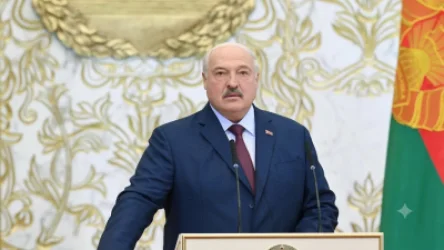
Լուկաշենկոն հանդիպել է Զելենսկիի ներկայացուցիչների հետ

Գագիկ Ծառուկյանի նկատմամբ քրեական հետապնդում հարուցելու միջնորդություն է ներկայացվել