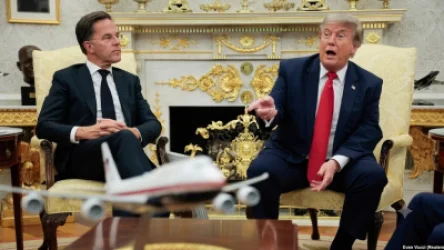
Applied Military Force Strengthens Arguments for Recognition of Artsakh's Right to Self-Determination: Ara Aivazian

The newly appointed Minister of Foreign Affairs of the Republic of Armenia, Ara Aivazian, does not consider the Nagorno-Karabakh conflict resolved. In an interview with Armenpress, Aivazian discussed ongoing negotiations regarding the Nagorno-Karabakh conflict, the exchange of prisoners, missing persons, and other agenda issues, including the international recognition of Artsakh.
The provisions of the agreement signed on November 9 by the leaders of Russia, Armenia, and Azerbaijan have been received with mixed reactions from various segments of society. There is an opinion that it may be possible to make some provisions more favorable to Armenia as a result of negotiations. How feasible is that process?
It is essential to clearly state that the trilateral statement aims to establish a sustainable ceasefire in the Nagorno-Karabakh conflict zone and to deploy Russian peacekeepers in Artsakh. Currently, some provisions of that statement have been implemented or are in progress, most of which had moved beyond the realm of diplomacy. As we have repeatedly noted, the issues concerning the rights and interests of the people of Artsakh must be addressed on a diplomatic level within the framework of the OSCE Minsk Group co-chairmanship. Our priority is to return discussions on the issue to the diplomatic field.
New issues have emerged that require immediate solutions, and I can highlight the protection of the rights of our compatriots who are in captivity as a priority, along with their swift and safe return to their homeland. The exchange of remains and search operations for missing persons, the return of displaced Artsakh Armenians to their homeland, the creation of suitable conditions for their vital security, and the restoration and protection of their rights must be achieved. Furthermore, the guaranteed protection of Armenian historical, cultural, and religious heritage in the areas of Artsakh that are under Azerbaijani occupation must be ensured. In this process, we are actively collaborating with all our international partners.
In this context, we have provided detailed information not only about the war crimes perpetrated by Azerbaijan during its aggression against Artsakh but also about Turkey's direct involvement in that aggression and its recruitment of foreign militant terrorists from the Middle East who participated directly in military operations against Artsakh.
The international community has already established a clear approach that the Armenian people have resisted the aggression unleashed by this coalition (Azerbaijan, Turkey, and international terrorists). Nevertheless, the Ministry of Foreign Affairs, together with other state bodies, still has much work to do, with international partners’ involvement and participation.
Artsakh is a reality on the geopolitical map, and the delay in the presence and direct involvement of international structures is unacceptable. Our fundamental position is that the social issues of the Artsakh population and the humanitarian crisis in Artsakh must be addressed locally—quickly returning to normal life.
You mentioned the priority of diplomacy in relation to the issue that concerns the public most at this moment—the return of our compatriots in captivity. The public is voicing its frustration about this, insisting that state structures are inactive regarding this matter. So far, there has been no public statement from Armenian diplomacy on this issue.
Yes, you are correct; we have been reticent on this matter; however, we have not been idle. As you know, an inter-agency commission dealing with the issues of Armenian prisoners, hostages, and missing persons is operational, led and coordinated by the Ministry of Defense of the Republic of Armenia. All negotiations concerning prisoners, hostages, and missing persons are conducted through that channel. The Ministry of Foreign Affairs is also represented in this commission, having a defined scope of authority which has been recently expanded upon our initiative to get directly involved with the ICRC’s activities.
In this regard, considering the sensitivity of the issue and its direct relation to people’s lives, I must request your and your readers’ understanding that I cannot provide more information than what is being done toward swiftly addressing the issue; clear steps are being taken in this direction. There is a personal commitment from the leadership of Armenia, Azerbaijan, and Russia regarding this matter. Currently, it is about clarifying the lists of prisoners available to both parties and subsequently activating the mechanisms for their exchange. We have confirmed our commitment to the principle of 'all for all' and expect that Azerbaijan will not create artificial obstacles in this matter.
For years, the Republic of Armenia has viewed the seven regions surrounding Nagorno-Karabakh as a security zone for the population of Artsakh and has conducted negotiations within the framework of the OSCE Minsk Group co-chairmanship under this logic. In the newly created situation, where those regions are under Azerbaijani control, what will be the priorities of the Republic of Armenia in the negotiation process, and how important do you deem the continuation of negotiations within the Minsk Group framework?
All rights of the 150,000 inhabitants of Artsakh must be fully restored and implemented in their historic homeland. The military operations by Azerbaijan, clearly instigated and supported by Turkey, are centered around the genocidal intent to completely ethnically cleanse Artsakh and dispossess the Armenian people, which is also reflected in post-war rhetoric and developments.
In the context of efforts directed toward the peaceful resolution of the Nagorno-Karabakh conflict, I want to emphatically highlight that the core issue underlying the conflict is the question of the right to self-determination of the people of Artsakh, and this issue cannot be resolved through the use of military force. Armenia has presented and will continue to present itself from the position of recognizing the self-determination rights of the people of Artsakh and guaranteeing their security on the international stage.
The Azerbaijani claims that the conflict is resolved are baseless. It seems that the president of Azerbaijan, who makes such statements, does not fully comprehend the essence of the very document he signed. As is clearly articulated in the text of the trilateral statement, and as emphasized recently by the mediator of the ceasefire, the President of Russia, the final status of Artsakh has not been resolved and remains a subject of further negotiations. Other co-chair countries of the OSCE Minsk Group also share this view.
The Nagorno-Karabakh conflict will only be considered resolved when the right to self-determination exercised by the people of Artsakh is recognized by the international community. During the war, the international community’s perception, which we insisted on for 26 years, has only solidified and deepened: the issue of Nagorno-Karabakh is about the native people—Armenians of Artsakh—living freely and with dignity in their historical homeland. Our interactions at various levels across different countries demonstrate that there is a growing understanding within the international community that Artsakh cannot fall under the jurisdiction of Azerbaijan with any form of status, and the people of Artsakh possess all the rights that any people in the world do.
Since the first day of the war, the question of recognizing the Republic of Artsakh by the Republic of Armenia has been under discussion. Is the recognition of Artsakh’s independence being considered now?
The recognition of the Republic of Artsakh has always been viewed not only in the context of its status but also in a broader regional and international context. It should be noted that the brutal military force applied against the people of Artsakh has further strengthened the arguments for the recognition of the self-determination rights of the people of Artsakh, and we are witnessing certain new approaches in this direction.
As the newly appointed Minister of Foreign Affairs, what are your main priorities in Armenia's foreign policy?
The most significant priority of Armenia's foreign policy has been and remains the resolution of the Nagorno-Karabakh issue, which is also one of the cornerstones of Armenia's security system. It is evident to all of us that these are crisis days for the country, the people, and the state, and our main task is to implement crisis management aimed at addressing the comprehensive security and development needs of Armenia and Artsakh in all dimensions.
Are there expected changes in the central apparatus of the Ministry of Foreign Affairs or in the diplomatic corps?
The foreign policy agency is a professional and non-political structure that places particular importance on preserving institutional memory and institutional integrity. At the same time, the foreign policy agency is not a static entity and naturally has its own logic of development, continuous improvement, and professionalization.
Նմանատիպ հոդվածներ
Ավելին Politics բաժնից
«Եվրոպական ճանճերի տերը». Զախարովայի կոշտ հայտարարությունը
«Բոլորին դեմ եմ» կուսակցությունն ինքնալուծարվում է
Վահագն Ալեքսանյանն առաջադրվել է ԱԺ փոխխոսնակի պաշտոնում