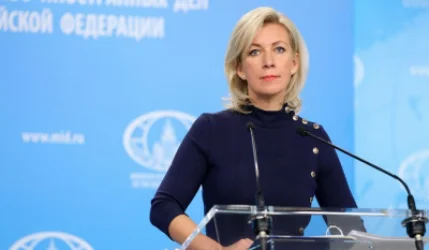
By 2018, the Nagorno-Karabakh issue was at an impasse, with only one solution: unconditional transfer of territories, says Nikol Pashinyan

Naturally, it makes perfect sense to go back and address the question: what could have been different for this not to be the case? This is what Nikol Pashinyan wrote.
He specifically noted: “Thus, at the highest level, the Armenian side publicly recorded that in 2011, in Kazan, Armenia was ready to transfer 7 regions in exchange for a provisional status of Nagorno-Karabakh and future referenda on the status, but Azerbaijan did not agree and put forth new demands. This means that even in 2011, Armenia was willing to assume the obligation to hand over 7 regions; however, Azerbaijan made further demands.”
“What demands could Azerbaijan have made? For example, to entirely remove the status of Nagorno-Karabakh from the agenda, or to state that the Lachin corridor would not have a special status. Incidentally, the issue of Shushi is not included in these new demands because this issue is resolved by the Madrid Principles, which the Armenian side accepted as the basis for negotiations in 2007. It clearly states that the population of Nagorno-Karabakh must have the same demographic proportion as in 1988. This means that in Shushi, there must be at least 90% Azerbaijani population.”
“Thus, we have had this situation since 2011, and starting from 2013, Azerbaijan has escalated military confrontations. During the 2013-2015 period, the logic of diversionary actions escalated to its peak, culminating in the April 2016 four-day war. Azerbaijan formalizes its aforementioned demands, irrespective of what documents are placed on the negotiating table by the co-chairmen of the OSCE Minsk Group. The fulfillment of Azerbaijan's demands becomes something of a priority similar to that of the Minsk Group co-chairs.”
“By taking office as Prime Minister of Armenia in 2018, I naturally recorded this fact. And in this situation, let us understand what the alternative was to what transpired. The alternative was to turn to the people and say: ‘Dear people, the situation is such that we must either hand over the 7 regions without the status of Nagorno-Karabakh, or go to war.’ What would the people have said? They would have said: ‘No, we will stand and fight for our homeland.’ And the war would have started, and it would have turned out that Armenia started the war.”
“If I had said, ‘No, we must hand over,’ the people would have accused me of being a ‘traitor,’ and a war would ensue again. At any phase, including during the Turkish-Azerbaijani military exercises, if I had gone to the Turks and said: ‘Let’s resolve the issue without war,’ they would have asked for a specific timeline to hand over the territories. If I had signed, they would have said ‘Nikol the traitor,’ and if I hadn’t signed, the war would have started.”
“By 2018, the Nagorno-Karabakh issue was at an impasse, with only one option: unconditional transfer of territories, and without any guarantee that Azerbaijan would not present new demands. And in this context of new demands, again, the likelihood of war increased.”
“Now many say that we should have worked more closely with our allies. But who says that allies had a different vision of resolving the issue? Now it is evident, isn’t it, that this vision completely coincides with what has been described above?”
“What have we done? We have prepared for war, as much as was possible. Now it turned out that we did not prepare well enough. But what were we poorly prepared for? The July battles showed that we were at least not poorly prepared for a fight against Azerbaijan. But Turkey and mercenaries—this is a different story that will be talked about later.”
“If you had stabilized the war sooner, the price for stabilizing the war was the same: the handover of 7 regions. If losing Shushi and the mortal threat hanging over Stepanakert meant treachery when three regions were handed over, how was handing over 7 regions not treachery under relatively better conditions?”
“Now, what should we do? We need to establish a stable situation while putting our teeth on edge and not worsen it any further. The most important issue now is that of prisoners of war, missing persons, and potential hostages that must be resolved very quickly.”
“But let us look at this issue from the perspective of the opposite side. They see that the prolongation of this issue allows for internal divisions within Armenia to deepen, and even clashes could begin internally, the mini-manifestations of which have already occurred.”
“Our soldiers’ relatives and loved ones, in this situation, would they expedite the resolution of the issue of prisoners of war and missing persons? No, of course not. On the contrary, they will prolong it as much as possible, rubbing their hands and waiting to see what new catastrophes this situation will bring us internally.”
“You might ask a very valid question: then what should we do, not fight? We must definitely fight, fight stronger, but not against each other, rather together. For the resolution of the issue. The resolution of the issue will only expedite if everyone understands that there will be no internal clashes concerning this issue.”
“Whoever is to blame and what responsibilities they must bear will definitely be clarified and put into life. But for now, we must focus on resolving the issue together, rather than fighting against one another. I am convinced of this.”
Նմանատիպ հոդվածներ
Ավելին Politics բաժնից
Մերցն ուղերձ է հղել Ռուսաստանին
Իշխանությունը «Մայր Հայաստան»-ի մասով պլան ունի. ի՞նչ են քննարկում. «Ժողովուրդ»
Վահագն Ալեքսանյանը՝ ադրբեջանցիների վերադարձի պահանջների մասին