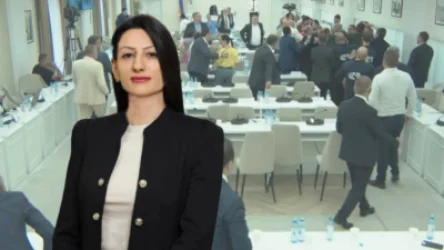
France Might Recognize the Republic of Nagorno-Karabakh: Bernard-Henri Lévy

French philosopher and publicist Bernard-Henri Lévy published an article titled "France Might Recognize the Republic of Nagorno-Karabakh" in "Le Point," where he noted that a century ago, the League of Nations established the status of a "free city" for Danzig. The United Nations revived that same status after World War II for Trieste. He has questioned the application of the same approach to the case of Nagorno-Karabakh, suggesting that France declare Stepanakert and Shushi free cities, ensuring that freedom is guaranteed by an international force. He emphasized that in such a scenario, France's recognition could be followed by an act from the European Union, solidifying the supremacy of the values and interests of Stepanakert and Shushi, thus initiating an additional right in the Charter of Civilized Nations, which would serve as a legitimate defense right for a people reduced to minority status at the hands of "wolves."
"Armenpress" presents an unofficial translation of the article. What is the purpose of commemorating November 11 as the end of World War I (1914-1918), so that we remember and honor the soldiers from the Great War cemented in blood and soil, and a century later, recoil in horror at the calamity? At a moment when a few days ago the mortal remains of the French writer Maurice Genevoix, who survived World War I and reflected its human calamities in many of his novels, were solemnly transferred to the Panthéon in Paris, a fire of disaster that is all too familiar to us was blazing not for an unknown soldier but for all of us at the gates of Europe.
Nagorno-Karabakh was in hell. It seemed that the world's gunpowder had accumulated in this small Christian enclave with a millennia-long history, exemplified by the Lord's day of suffering. Shushi, the humbled Jericho of Artsakh, fell not to the sound of trumpets but to the hands of Syrian mercenary brigades and ended up in Azerbaijan's hands, and it is not as if we did not know or understand how the Azerbaijani president was shouting through the media echo chambers of Baku—the agents of anti-Armenian sentiment—that "The Armenians of Nagorno-Karabakh are subhuman, whom we are expelling like dogs."
In reality, we are talking about the people of Nagorno-Karabakh, over whom the tyrant Aliyev sought to impose his will. He shattered this population under the rain of drones, while those who managed to escape were crushed beneath armored vehicles, checkpoints, and destruction. Geopolitics retreated, and the infamous requiem of genocide's past once again resonated for all Armenians.
At the root of this calamity are two imperialisms. The first, of course, is Turkey. Erdoğan, intoxicated by himself, has only one thought swirling in his head: to become the caliph of Sunni Islam and to expand his Lebensraum in the Mediterranean, the Balkans, the Caucasus, or beyond. For this, one must open their eyes to see how Erdoğan's "Gray Wolves," instructed to butcher the animals of George Orwell's "Animal Farm"—in other words, the living creatures of our current COVID world—are climbing the Mississippi, making stances about Pennsylvania, and committing the openly terrorist blackmail of a neo-sultan in both Vienna, Austria's capital, and Vienne in France.
The second is Russia. Why? Because Moscow, desiring a definitive ceasefire, resulted in exactly what it wanted—empowering the Azerbaijani tyrant while weakening Armenia's young liberal prime minister and reshaping the regional map amidst the world's diverted attention from a long-frozen conflict. In other words, here is where Putin's successful strategy regarding two frozen conflicts came into play. A frozen conflict that erupted like the spark to dry wood and unexpectedly burst forth like fireworks in stupid Europe—this was the Ukrainian scenario. A conflict that was heated slowly, yet firmly, avoiding unpredictable flare-ups, and one day everything was seized—this was the Georgian scenario. Nagorno-Karabakh became the third variant: the conflict was frozen, buried under snow and stones, awaiting the moment it would be convenient to blow on the ashes and bring the roasted chestnuts back from the glowing fire.
But lo and behold, these two empires successfully negotiate with each other. Erdoğan and Putin embody the thesis of my work "The Empire and Its Five Kings," which discusses the imperialist policies of China, Russia, Turkey, Iran, and Saudi Arabia in their world-dominating aspirations. They are two twin firebrands, one pouring fire on Shushi, and the other on Mariupol's churches, and together they are pouring that same fire onto the temple of law and justice—the European Union.
In this situation, we witness pragmatic steps in the reconfiguration of the region, where the founding fathers divide roles among themselves—Erdoğan claims the talons and bloodshed of the eagle, while Putin assumes the role of an omnipotent god, promising protection like a bear. Between these two, Armenia is being drained of its blood, thrown out of the world order.
The options are as follows: either we leave our friends in the Caucasus at the mercy of cruel fate—in the hell of iron and cannon, or by accepting Erdoğan and Putin, subject Shushi to becoming a new Sarajevo, whose fall, like in 1994, could lead to the loss of European unity.
Guided by these alternatives, we risk once again becoming somnambulist lunatics, as in 1914, and losing not just Shushi but also Nicosia, Riga, Warsaw, or Athens. The tyrant who trains rabid dogs, treating his enemies just as dogs, will never rest until he brings them to their legitimate end. Or we must awaken and remember how the imperialist monsters unleashed the First World War.
At this critical crossroads, a brave nation—at least one—may recognize the suffering, tortured, and blood-drained Republic of Artsakh. A hundred years ago, the League of Nations created the status of a "free city" for Danzig. The United Nations, after World War II, revived that same status for Trieste. But what would happen if the same were to apply in the case of Nagorno-Karabakh? What if France declared Stepanakert and Shushi free cities? Could that freedom potentially be guaranteed by an international force? This would be a noble gesture. In such a scenario, France's recognition could be followed by an act of the European Union, solidifying the supremacy of the values and interests of Stepanakert and Shushi. This would begin an additional right in the Charter of Civilized Nations, which would serve as a legitimate defense right for a people reduced to minority status at the hands of "wolves." This is a call.
Նմանատիպ հոդվածներ
Ավելին Society բաժնից
Դպրոցներում ՆԶՊ դասընթացը կփոխարինվի այլ առարկայով. նախագիծ

Հայաստանի կրթական համակարգում կներդրվի ChatGPT Edu հարթակը՝ որպես ուսուցման նոր գործիք

ՀԷՑ-ում վթարային անջատումների տևողությունը նվազել է 36,7%-ով․ Ռոմանոս Պետրոսյան