Armen Jigarkhanyan Has Died
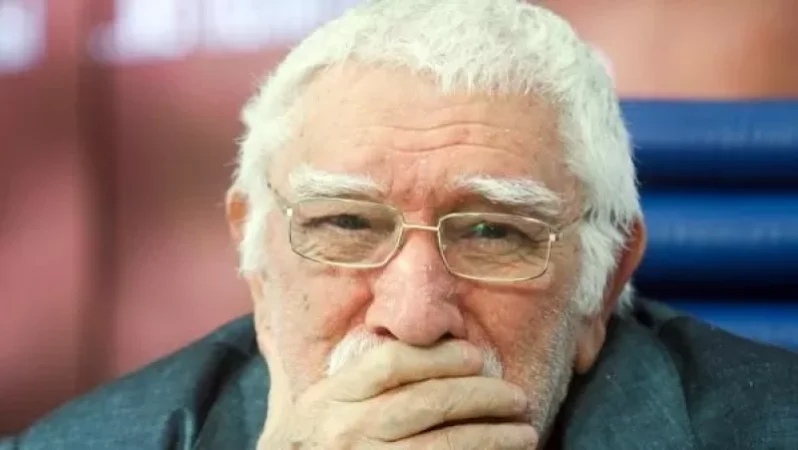
Last night, at the age of 85, the People's Artist of the USSR, Armen Jigarkhanyan, passed away. The news of his death has been reported by Russian media.
Armen Borisovich Jigarkhanyan, an Armenian actor, theatrical pedagogue, theater director, and People’s Artist of the USSR, was born on October 3, 1935, in Yerevan. He descended from an ancient lineage of Tbilisi Armenians. When Armen was just one month old, his father, Boris, left the family, and Armen first saw his father in his teenage years. He was raised by his stepfather, with whom he formed a close bond. Armen grew up in a Russian-speaking environment, attended Russian school, and diligently mastered both Armenian and Russian cultures.
His mother, Elena Vasilievna, was an avid theater enthusiast and did not miss any theatrical or opera performances. During his school years, Armen became enamored with theater and cinema, and after graduating from school in 1952, he moved to Moscow to attempt entrance to GITIS (Russian Theater Institute), but was unsuccessful. Returning to Yerevan, Armen Jigarkhanyan got a job at the “Hayfilm” film studio as an operator’s assistant. From 1953 to 1954, Jigarkhanyan worked at “Hayfilm” as an operator's assistant.
In 1954, he entered the Yerevan State Institute of Theatre and Cinematography, joining the department led by the renowned director Vardan Achemian, head of the Sundukyan Theater. However, the intake was quite large, and Jigarkhanyan transferred to Armen Gulakyan’s department, graduating in 1958. The actor made his stage debut in January 1955 at the K. S. Stanislavsky Russian Drama Theater, in a production based on V. Gusev's play “Ivan Ribakov.” He was invited to the Yerevan theater group while still in his second year. He worked there for more than ten years.
In 1967, Anatoly Efros invited the actor to the Leninsky Komsomol Theater in Moscow, and in 1969, Jigarkhanyan began performing at the V. Mayakovsky Theater in Moscow under Andrei Goncharov, where he notably played Stanley Kowalski in “A Streetcar Named Desire” and the Major PA in Tennessee Williams' “Cat on a Hot Tin Roof,” Socrates in Edward Radzinsky's “Conversations with Socrates,” and General Khlyudov in Mikhail Bulgakov's “Running.” In September 1996, Jigarkhanyan left the Mayakovsky Theater but continued to perform in other theaters and in private productions.
The actor made his film debut in 1960 with his role as Hakob in the film “Collapse,” but his popularity soared with his portrayal of a young physicist, Artyom Manvelyan, in Frunze Dovlatyan's film “Hello, It's Me.” Following the release of this film, various interesting offers came his way, showcasing the breadth of his acting capabilities, psychological credibility, and mastery of transformation. He played the role of a master blacksmith Mukuch in “Triangle,” Levon Poghosyan in the drama “When September Comes,” Captain Ovchkin in Edmond Keosayan's famous film “The New Adventures of the Uncatchables,” Chekist Artuzov in the television movie “Operation Trust,” and essayist Proshyan in the historical film “July Sixth,” among others. His portrayal of the villainous character Karpi, the dwarf leader of a gang in “The Place of Meeting Cannot Be Changed,” is particularly memorable to audiences.
Overall, Jigarkhanyan appeared in nearly two hundred film roles, becoming one of the most frequently cast actors in Russia. His record includes diverse roles in films by the best Russian and Soviet directors, across various genres including comedies, adventure films, dramas, and musicals. His name has been recorded in the Guinness World Records as the actor with the most film appearances in Russia (over 250 roles in film and television).
Նմանատիպ հոդվածներ
Shushi is Completely Out of Our Control, The Enemy is at the Gates of Stepanakert. Vahram Poghosyan
VIDEO. Russian Military Strike Destroys Base of Militants Heading to Azerbaijan from Syria

VIDEO: I Have Evidence That Shushi Was Not Taken by Military Means, Semyon Pegov
Explosions Heard in Stepanakert
Ավելին Incidents բաժնից
Ռուսաստանի Wildberries-ի պահեստում հրդեհը մարվել է՝ չորս օր անց
Հուլիսի 21-ին զինծառայող է մահացել․ ՔԿ-ն քրեական վարույթ է նախաձեռնել
Խոշոր հրդեհ՝ Երևանում․ Աջափնյակի դատարանի հարակից տարածքում խոտածածկ տարածք է այրվում