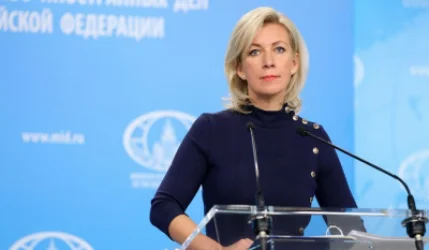
Armenia and Azerbaijan's Foreign Ministries Agree to Not Target Civilians and Non-Military Objects

In a meeting in Geneva with the co-chairs of the OSCE Minsk Group, the Foreign Ministers of Armenia and Azerbaijan reached an agreement not to target civilian populations and non-military objects.
“The co-chairs once again called on the parties to fully fulfill their commitments, including the immediate establishment of a humanitarian ceasefire. Without compromising the observance of the ceasefire or fulfilling other obligations, the parties agreed to urgently take several steps:
- Both sides, in accordance with international humanitarian law, will not deliberately attack the civilian population or non-military objects.
- The parties will actively participate in the implementation of the exchange of the remains of those killed in the field, providing necessary security guarantees to the ICRC and the permanent representative of the current president (PRCiO).
- The parties will provide the ICRC and PRCiO with a list of currently detained prisoners of war within a week to ensure further exchanges.
- The parties will submit in writing their comments and questions regarding possible mechanisms for monitoring the ceasefire in accordance with the second point of the joint statement of October 10.
The co-chairs of the Minsk Group have held separate meetings with the foreign ministers of Armenia and Azerbaijan. Consultations were conducted with the UN High Commissioner for Refugees and the president of the ICRC.
The head of Armenia's foreign ministry held a separate meeting with Peter Maurer, the president of the International Committee of the Red Cross, to discuss the situation created by Azerbaijan's large-scale aggression in the Nagorno-Karabakh conflict zone.
Minister Mnatsakanyan informed Maurer about the war crimes committed by Azerbaijan against the people of Artsakh and serious violations of international humanitarian law, including the Geneva Conventions. The minister briefed his interlocutor on the deliberate targeting of the civilian population and infrastructure in Artsakh by the Azerbaijani armed forces, the resulting damages, and the use of weaponry banned by international conventions against the civilian population under his own control. Additionally, he highlighted reports of degrading treatment, torture, and killings of prisoners of war.
Addressing Turkey's destabilizing policies in the South Caucasus and its aspirations to turn the region into a hub of terrorism, the foreign minister emphasized that Turkey's direct military involvement in the war unleashed by Azerbaijan and the importation of foreign militant terrorists from the Middle East pose a serious threat to regional and international security.
Նմանատիպ հոդվածներ
Ավելին Politics բաժնից
Մերցն ուղերձ է հղել Ռուսաստանին
Իշխանությունը «Մայր Հայաստան»-ի մասով պլան ունի. ի՞նչ են քննարկում. «Ժողովուրդ»
Վահագն Ալեքսանյանը՝ ադրբեջանցիների վերադարձի պահանջների մասին