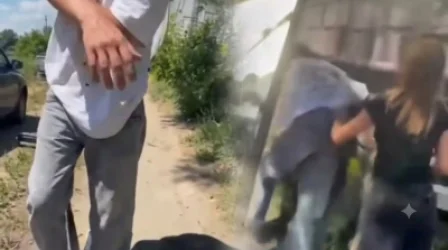
More Than 90,000 People Forced to Leave Their Homes Due to Azerbaijani Aggression
Recently, an extraordinary session of the Global Education Meeting titled 'Education in the Post-Pandemic World' took place, attended by leaders from several countries, as well as education ministers and deputy ministers from over 60 nations. In the online meeting, messages were delivered by UN Secretary-General António Guterres, UNESCO Secretary-General Audrey Azoulay, and three high-ranking representatives from the co-hosting countries, including the Prime Minister of Norway, the President of Ghana, and the UK Foreign Secretary.
Following this, speeches were made by leaders and education sector officials from around 60 countries, as well as heads of reputable international organizations in education. Armenia was represented by Deputy Minister of Education, Science, Culture, and Sports Arthur Martirosyan. He drew members' attention to the issue of exercising the right to education due to conflicts.
'Since September 27, 2020, the armed forces of Azerbaijan, with active military-political support from Turkey and the involvement of mercenary terrorists, have launched large-scale military aggression against the Republic of Artsakh, targeting peaceful residential areas, civilian infrastructure, including educational institutions, cultural and religious sites. While the international community focused on the COVID-19 pandemic crisis, Azerbaijan not only declined to unconditionally obey the UN Secretary-General's call for an immediate global ceasefire but instead escalated the situation.'
As a result of Azerbaijani aggression, more than 90,000 people have been forced to flee their homes, impacting the right to education for children and youth in Artsakh. Consequently, over 33,000 children and young people have been deprived of their right to education. The number of civilian casualties, including children, is increasing daily.
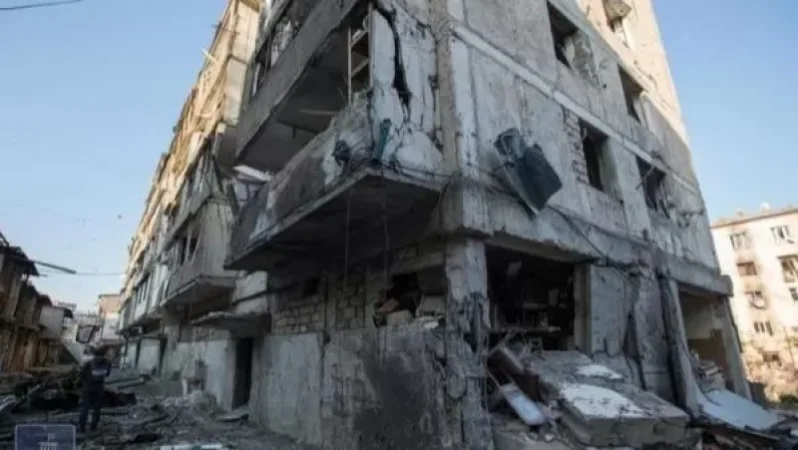
Children remaining in the Republic of Artsakh are deprived of their fundamental right to education, as Azerbaijan deliberately targets schools and kindergartens; to date, 18 schools and 6 kindergartens have been damaged due to Azerbaijani aggression in Artsakh. Strikes from Azerbaijani drones have also damaged secondary schools in the Sotk and Kut communities of the Gegharkunik region of Armenia.
Moreover, children who have temporarily taken refuge in Armenia are experiencing difficulties integrating into their new environment and schools. As a member state of the 'Safe Schools Declaration,' Armenia unconditionally supports the safety of educational institutions and the right of everyone to receive education without any threat of violence.
It is of serious concern that Azerbaijan refuses to ratify the 'Safe Schools Declaration,' thus undermining global coalition efforts aimed at addressing targeted attacks on education during armed conflicts. Therefore, I call upon the international community to unequivocally condemn the continuing crimes of Azerbaijan against Artsakh and Armenia.
International organizations, particularly UNESCO, must act accordingly and without discrimination against students based on the status of their residential areas, as human rights are universal and not confined by borders. I urge UNESCO to develop mechanisms that allow for the realization of everyone’s right to education,' emphasized Arthur Martirosyan.
The meeting addressed overcoming the negative impacts caused by the COVID-19 pandemic and ensuring uninterrupted continuity of education, which includes maintaining and/or increasing national and international financing for education, the realization of inclusive and equitable principles, the application and rethinking of teaching methods and informational and communication tools, as well as addressing issues related to the reopening of schools. A declaration was adopted during the meeting, encompassing key messages in the education sector on how to respond to the challenges faced as a result of the COVID-19 pandemic.
Նմանատիպ հոդվածներ
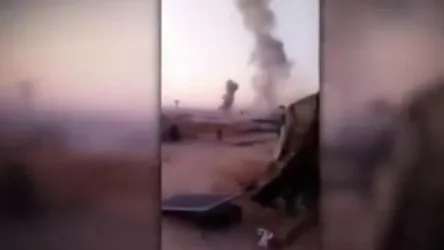
VIDEO. Russian Military Strike Destroys Base of Militants Heading to Azerbaijan from Syria
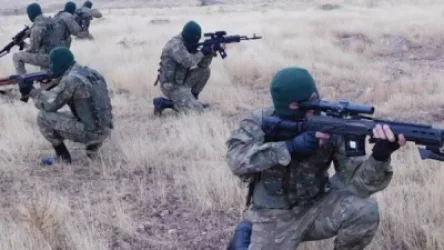
Significant Enemy Special Forces Unit Destroyed, 9 Units of Equipment Lost, Some Captured
Names of Our 36 Heroes Fallen Heroically in Artsakh Have Been Published
The Enemy is Attempting Attacks Using Armenian Armed Forces Uniforms: Artak Beglaryan
Ավելին Incidents բաժնից
Ռուսաստանի Wildberries-ի պահեստում հրդեհը մարվել է՝ չորս օր անց
Հուլիսի 21-ին զինծառայող է մահացել․ ՔԿ-ն քրեական վարույթ է նախաձեռնել
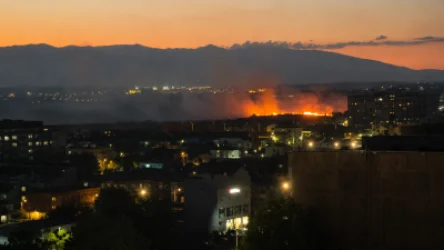
Խոշոր հրդեհ՝ Երևանում․ Աջափնյակի դատարանի հարակից տարածքում խոտածածկ տարածք է այրվում