Azerbaijan's Aggression Presented to International Organizations

On October 19, the Ministry of Foreign Affairs of Armenia hosted a meeting with Foreign Minister Zohrab Mnatsakanyan, Artsakh's Foreign Minister Masis Mayilian, Armenia's Human Rights Defender Arman Tatoyan, and Artsakh's Human Rights Defender Artak Beglaryan. The purpose of the meeting was to provide a comprehensive presentation to the heads of diplomatic missions accredited in Armenia and representatives of international organizations regarding the situation in Nagorno-Karabakh and the humanitarian consequences of the large-scale aggression unleashed by Azerbaijan against Artsakh.
Artsakh's Human Rights Defender Artak Beglaryan presented a detailed report on the damages inflicted on the peaceful population of Artsakh and its civilian infrastructure due to deliberate targeting by the Azerbaijani armed forces. He emphasized that the shelling of civilian settlements is being carried out with weapons prohibited by international conventions, aiming to terrorize and physically annihilate the peaceful population while disregarding all fundamental norms of international law aimed at protecting civilians.
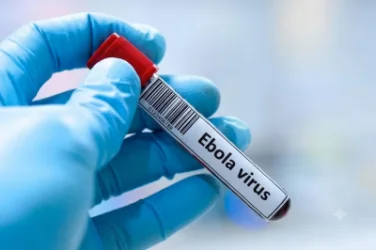
Beglaryan also drew attention to the epidemic situation created in the territory of the Republic of Artsakh amid military operations, emphasizing that continuous violations of ceasefire agreements and the ongoing military actions by Azerbaijan could lead to an epidemic disaster in Artsakh.
The Defender also informed attendees about the extreme brutality exhibited by Azerbaijan towards the captured soldiers and civilian population under its control, including instances of killings and mutilations, noting that videos depicting these inhumane actions have received widespread positive reactions from Azerbaijani society on social media platforms.
In his report, the Human Rights Defender of Armenia, Arman Tatoyan, presented actions taken by Azerbaijan against the sovereign territory of the Republic of Armenia, targeting civilians and civilian infrastructure, which has resulted in casualties and injuries among the Armenian population, as well as significant material damage to housing and social institutions.
Tatoyan also addressed the targeting of journalists carrying out their professional activities, noting that such actions are deliberate and systematic. He emphasized that representatives of the media are performing a human rights protection function by presenting reality at the points of military operations; however, to obstruct that function and silence truthful reporting on the war in Artsakh, the Azerbaijani political-military leadership has escalated its threats and fabricated legal barriers against journalists, as well as resorting to direct targeting and creating threats to their lives and safety. Tatoyan characterized this behavior as a crime against freedom of speech and a gross violation of international law.
Artsakh’s Foreign Minister Masis Mayilian, in his speech, outlined the steps being taken by the Artsakh government to mitigate the consequences of military aggression on the civilian population, particularly concerning the protection of civilians, providing shelter for the displaced, and meeting first necessity needs. He highlighted the necessity for direct involvement of the international community, particularly humanitarian specialized organizations, to overcome the current situation in Artsakh.
Mayilian emphasized that the military aggression carried out against the people of Artsakh, utilizing advanced weaponry by Azerbaijan and Turkey along with the involvement of foreign militant terrorists, constitutes a serious threat to the physical safety of the peaceful population of Artsakh and that the only effective measure to counter this would be the recognition by the international community of the right to self-determination of Artsakh, leading to its independence.
Concluding the meeting, Minister Mnatsakanyan underscored that this premeditated aggression is a continuation of Azerbaijan’s decades-long policy of isolating the people of Artsakh and exterminating them in their historical homeland. He added that the scale of Azerbaijani aggression would not have reached such levels had Turkey not directly involved itself in the conflict with its political and military technical potentials, including the deployment of foreign militant terrorists in the conflict zone, which poses a serious danger not only to Artsakh but to the peaceful population and livelihoods of the entire region.
Նմանատիպ հոդվածներ
Ավելին Society բաժնից
Ուժգին երկրաշարժ Վենեսուելայում. արտակարգ դրություն է հայտարարվել

Դատական համակարգում նոր ձերբակալություններ են սպասվում. «Ժողովուրդ»
Հյուսիսային Կալիֆոռնիայում գրանցվել է 90 տարվա ամենաուժեղ երկրաշարժը