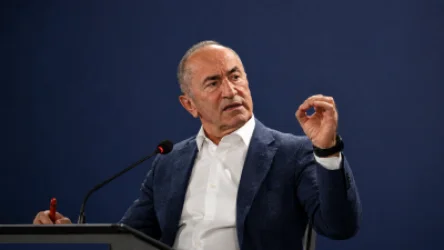
Ankara's Actions in the Caucasus Pose a Threat to the EU as Well, Says Armen Sarkissian
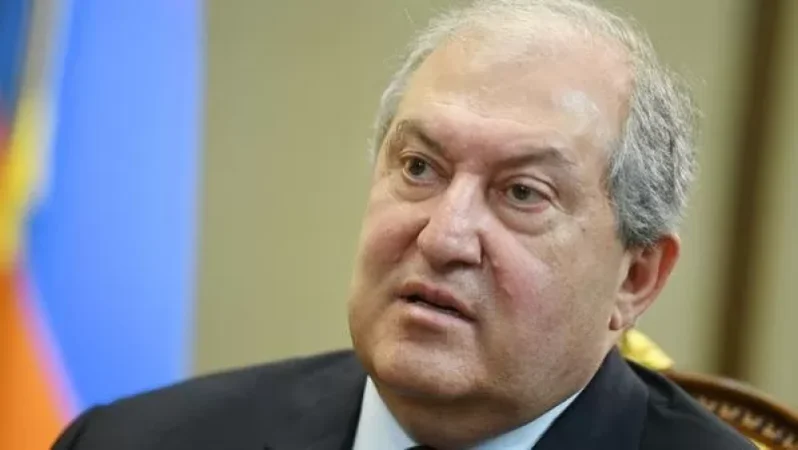
Prominent analyst Ben Judah interviewed Armenian President Armen Sarkissian. In an article published by the Armenian president's office, he addressed various issues regarding the Nagorno-Karabakh conflict and the current situation in an interview with POLITICO.
Armen Sarkissian stated that Ankara's actions in the Caucasus also pose a threat to the European Union. The Armenian president is expecting answers from NATO regarding Turkey's involvement in the Nagorno-Karabakh war. Sarkissian expressed his readiness to visit Brussels to confront the transatlantic alliance about Ankara’s actions in the Caucasus and warn the EU about the threats they pose to the alliance's security.
“If I go to Brussels, I would want to speak with NATO leadership about how this very strange situation has arisen where Turkey, a full member of NATO, becomes embroiled in a war that has nothing to do with NATO. How is it that a NATO member acts so freely, while NATO makes no move? Does this mean that NATO has given it a green light?” said Sarkissian in an interview with POLITICO.
Turkey supported its traditional ally Azerbaijan when the frozen conflict in Nagorno-Karabakh flared up last month. The fighting has claimed hundreds of lives, with both sides accusing each other of killing civilians.
Armenia accuses Turkey of sending fighter jets and Syrian mercenaries to Azerbaijan. Ankara has denied this, although several reports have confirmed the presence of Syrian militants and F-16 aircraft. Azerbaijani President Ilham Aliyev admitted that there are F-16 jets in his country but insisted they have not been used in battles.
Sarkissian mentioned that he wishes to visit NATO headquarters in Brussels to “get explanations” as to why “a huge amount of Turkish weapons, drones, and F-16s are involved in bombing Armenian civilians. These are NATO-produced weapons; the engines are from Austria, the aviation radars are from Canada, and the missile parts are from Britain, and so on.”
Sarkissian also expressed his willingness to travel to Paris, London, and Berlin to present Armenia’s position to the European leaders. “I am ready to tell Angela Merkel that I understand Europe is busy with other matters, that everyone is preoccupied with COVID-19, but, dear Madam Chancellor, what you might not see clearly is that another disaster is coming from the Caucasus towards you, which is not biological, but a virus of instability and war.”
Sarkissian emphasized that he wants it to be clear. “The war provoked by Turkey and Azerbaijan poses the danger of creating another Syria. Or, Turkey is becoming an orchestrator and manager of the energy crisis in Europe.” (Key energy pipelines important to the EU are located near Nagorno-Karabakh.)
At the same time, he does not see the need to remind French President Emmanuel Macron about the possible geopolitical ramifications of the conflict. “I think Macron understands that instability in the Caucasus will hit the more distant parts of the region and then will have an effect on Western Europe,” said Sarkissian. “He understands that Turkey's presence in Azerbaijan means that Southern Europe and Central Asia will be dependent on Turkey, and Turkey will become a regional superpower. That is precisely what Turkish President Recep Tayyip Erdoğan wishes to achieve.”
In France, where a significant number of Armenians live, a bill has been presented in parliament to recognize the Republic of Artsakh or Nagorno-Karabakh. Armenian Prime Minister Nikol Pashinyan stated that he expects France to recognize Nagorno-Karabakh, although the likelihood of the bill's adoption is small. Sarkissian said he would be very pleased if France recognized the breakaway region.
“We Armenians have always believed that a solution to the problem should be reached through peaceful negotiations, and to avoid complicating the situation further, we have refrained from recognizing the Republic of Artsakh until now,” he added. “But of course, if we do not see light at the end of the tunnel, we will recognize Nagorno-Karabakh.”
Armenia is trying to present the current war to Brussels as part of Turkey's growing self-assertiveness, which has put Ankara in conflict with EU member states throughout the region. In Libya, Turkey intervened on behalf of the UN-supported government against Khalifa Haftar, a military leader supported by France, while Turkish ships in the eastern Mediterranean are searching for energy resources in waters claimed by Greece and Cyprus.
“It feels like Erdoğan is creating instability everywhere around him and breaking the status quo. In this sea of instability, Turkey seems to swim quite calmly, as it gives him the opportunity to play with everyone,” Sarkissian said.
Sarkissian noted that the impression that Europe and NATO cannot exert influence over Ankara puts at risk the credibility of these institutions. “I call on everyone in Brussels to exert pressure on Turkey. First and foremost, they need to decide what is acceptable, because the Turkish actions will harm NATO, its credibility, and the fundamental idea that it is an alliance that exists to defend against the enemy.”
He pointed out that he believes Turkish involvement will now reshape the geopolitical landscape of the South Caucasus, turning Azerbaijan into a platform for broader regional Turkish influence over its key pipeline networks. He also warned that Syrian mercenaries could become a long-term destabilizing factor in the region. “They will create another area of instability here, threatening Azerbaijan, Russia, Armenia, and Iran.”
Sarkissian lamented that countries outside of Europe are busy with other issues, such as the US elections. Armenia's ally Russia, which has also supplied arms to Azerbaijan in the past, has so far preferred not to provide military support to Yerevan. Nonetheless, the Kremlin has been the leading diplomatic force in the conflict in recent weeks, negotiating a ceasefire that has not succeeded.
“I appreciate what President Vladimir Putin and Foreign Minister Sergey Lavrov are doing,” Sarkissian said. Armenian officials have repeatedly stated that they see the conflict not merely as a territorial dispute but as a continuation of the Armenian Genocide of 1915, during which more than 1.5 million Armenians were killed in the Ottoman Empire.
Sarkissian insists that Turkey wants to “not only punish Armenia and remind it of what happened 105 years ago but also say, ‘Why are you not silent, Armenians? You might be subjected to another genocide in 2020, and this may happen in front of the eyes of the international community.’”
Turkey and Azerbaijan claim that the war in Baku is aimed at liberating territories internationally recognized as part of Azerbaijan. However, Sarkissian asserts, “They are waging a war aimed at ethnic cleansing of that territory of Armenians.”
Նմանատիպ հոդվածներ
Ավելին Politics բաժնից
Պաշտոնական Մոսկվան կասկածի տակ է դնում Հայաստանում կայացած ընտրությունների արդյունքները
Դանիել Իոաննիսյանի կտրուկ արձագանքը` ԿԸՀ նախագահի հայտարարությանը
ՌԴ Արտաքին հետախուզության ծառայության ղեկավարը զգուշացնում է ՀՀ իշխանություններին