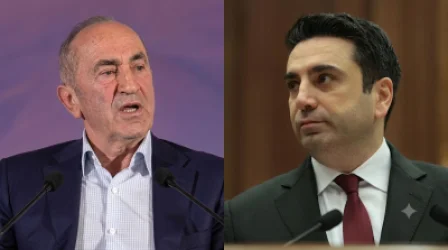
LIVE: National Assembly Holds a Session
The National Assembly is continuing its regular sessions. There are 6 items on the agenda. The draft law on amendments to the "Law on Defense" was adopted in the first reading yesterday. The second reading is set to take place today. It is planned to increase defense expenditures by 40 billion drams.
The escalation of military operations and martial law are also expected to have negative effects on economic activity. Specifically, a temporary decrease in employment, a reduction in demand in the private sector, as well as an increase in uncertainties and risks are anticipated. As a result, a 6.8% economic downturn is expected in 2020 compared to a 2% decrease forecasted in the budget law amendments in April. Furthermore, nominal GDP is projected to decline, amounting to 6,170.2 billion drams, down from the 6,485 billion drams outlined in the April budget law amendments.
In conditions of economic decline, tax revenues are expected to fall at a faster rate than GDP, leading to a tax/GDP ratio decrease of about 0.3 percentage points. Under the circumstances of declining nominal GDP and tax/GDP, a decrease in tax revenues of about 35 billion drams is anticipated. The military operations are projected to lead to an increase in current expenditures by approximately 40 billion drams.
Considering the aforementioned developments, it is expected that:
- In 2020, state budget tax revenues will amount to around 1,320.5 billion drams (21.4% of GDP), which is 112.7 billion drams (0.7 percentage points of GDP) lower than the changes made in April and 35.4 billion drams (0.3 percentage points of GDP) less than the expected indicators for 2020 based on the 2021 budget draft.
- State budget current expenditures will be approximately 1,637.4 billion drams (26.5% of GDP), which is 9.5 billion drams higher than the changes made in April and 40 billion drams higher than the expected indicators for 2020 based on the 2021 budget draft.
- The state budget deficit will reach about 459.0 billion drams (7.4% of GDP), which is 134.8 billion drams (2.4 percentage points of GDP) greater than the changes made in April and 75.4 billion drams (1.3 percentage points of GDP) higher than the expected indicators for 2020 based on the 2021 budget draft.
The above changes in fiscal indicators (especially in terms of the deficit) will lead to an increase in the government debt burden of the Republic of Armenia. Specifically, it is expected that the government debt/GDP ratio will reach around 67%, crossing the 60% threshold.
The following issues are included in the agenda:
- Amendments and supplements to the law on social support for border communities,
- Amendments and supplements to the law on environmental control,
- Amendments to the law on defense,
- Amendments to the tax code of the Republic of Armenia,
- Amendments to the law on the remuneration of persons holding state positions and positions in public service,
- Amendments and supplements to the law on the state budget of the Republic of Armenia for 2020.
Նմանատիպ հոդվածներ

VIDEO. First Footage from the Meeting of the Foreign Ministries of Armenia, Azerbaijan, and Russia
Azerbaijani Assault on Hadrut City Repelled by Our Brave Soldiers Today: President of Artsakh
Russian Aerospace Forces Prepare to Launch Massive Strike on Terrorist Training Camps in Artsakh
Recognition of the Right to Self-Determination for the People of Artsakh: Geneva's Blow to Azerbaijan
Ավելին Politics բաժնից
Ուրսուլա ֆոն դեր Լայենը պատրաստվում է այցելել Հայաստան՝ ԵՄ-ի հետ կապերը ամրապնդելու համար
ԵՄ երկրները հայկական արտադրանքի արտահանման հարցերն են քննարկվել
ԱԺ փոխնախագահի պաշտոնի շուրջ քննարկումներ․ մամուլում մի քանի անուն է շրջանառվում