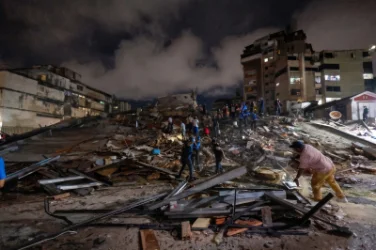
This is a war of a proud people who have proven they can fight and will never be defeated: President of Armenia

The President of Armenia, Armen Sarkissian, gave an interview to the Arabic edition of the BBC. We present it in full.
Question: Mr. President, we will talk about the tensions between Armenia and Azerbaijan. Can you comment on all this as a large-scale war?
A.S: On the morning of September 27, Azerbaijan began shelling and bombing along the entire borders of the Republic of Artsakh (Nagorno-Karabakh), not only at the border, but also deeper, including schools and other structures. A large number of civilians were injured, from grandmothers to small children, and various buildings were destroyed, causing huge damage every day. After all this, I leave it to you to decide whether this is a large-scale war or not.
The Armenian side did not start this at all. Moreover, the Armenian side in this case is not the Republic of Armenia, but the Republic of Artsakh. This is a small country with a population of 150,000 that has been here for thousands of years. It was forced by Joseph Stalin to be part of Soviet Azerbaijan. When the Soviet Union collapsed, the people decided that they were the masters of their own fate, as more than 90 percent of the population of Nagorno-Karabakh were Armenians. They decided through a referendum to live in an independent state.
On the other hand, it is Azerbaijan, which has finances and strength, 10 million population, and a friend like Turkey. They are trying to force Armenians to leave the area where they have historically lived since the time Azerbaijan existed as a state. In my vocabulary, this is called ethnic cleansing—forcing people to leave simply because they have a different ethnic identity, because they do not fit this or that designation. Is this a large-scale war or not? I think yes. This is a bloody war, a war of a small but proud people. A people that has proven it can fight and will never be defeated. They won the war against Azerbaijan before. I don’t know why Azerbaijan chose to resolve the issue through the ethnic cleansing of the Armenians of Artsakh instead of through negotiation and international discussion.
How do you relate to the OSCE Minsk Group's role?
A.S: The OSCE Minsk Group has played a huge and very important role over the past 26 years since the 1994 ceasefire. First of all, it is a highly respected international organization with three co-chairs—Russia, France, and the United States. They are working tirelessly with both sides to bring about a final diplomatic or political resolution to the problem. Thus, I highly appreciate their work. Of course, in any negotiations in this world—political, military, or business negotiations—you cannot always plan for success, and you will be able to achieve your goal. Negotiations have ups and downs. However, patience is required in these negotiations. Sometimes one side of the negotiation is satisfied, sometimes not, sometimes you think you are losing, and vice versa. Negotiations should be brought to a final conclusion through a final document, signed, and then great efforts should be made to implement what has been signed.
It is absolutely inhuman and not normal to leave the negotiating table and try to resolve the issue through military means.
You spoke very well and highly appreciated the OSCE, but you continue to reject Russia's initiative to end this tension.
A.S: I don’t know who gave you that idea; it is not correct. Russia has appealed to both sides to stop the incidents and for a ceasefire, which is normal. However, there is no mechanism. To stop any military action or war, you must have clear mechanisms. This is a complicated process. This is one. It is not yet operational.
Not only Russia but also the United States, the EU, France, and many countries have appealed to both Armenia and Azerbaijan, and by Armenia, I also mean the people of the Republic of Artsakh, to stop the war. But to stop it, pressure must be applied on the aggressor— in this case, Azerbaijan, which started these military actions and war, not the people of Nagorno-Karabakh; they have no desire to start another war. It is not right to address both sides, as it is Azerbaijan that started the war, and pressure must be applied to them to stop the war. The moment they stop, the Armenian side will also do so.
Turkey has said it will support Azerbaijan. Does this mean that Armenia will also seek external military support?
A.S: I want to emphasize again that the issue is with the Armenians of Nagorno-Karabakh, not with Armenia. Turkey supports Azerbaijan. Frankly, I would very much like Turkey to support Azerbaijan in education, culture, science, technology, and building relationships. I would like Turkey to remember its history and try to recognize that the Armenian Genocide occurred 105 years ago during the last days of the Ottoman Empire. They should try to form or improve relations with Armenia. Instead of doing all this, they simply refuse to acknowledge that a genocide occurred. Because they deny it, we have no diplomatic relations.
Turkey does not simply support Azerbaijan; it has become part of the conflict because they send military technology, advisors, finances, and weapons to Azerbaijan. Certainly, as always, Turkey tries to somewhat fool the international community. It has done so many times in Syria, Iraq, and Libya, and it constantly tells the story of the PKK fighters. In our case, they say they are there to protect the international energy line. This is complete nonsense. These international energy pipelines reaching from Baku to Ceyhan were built 20 years ago. If the Armenians of Nagorno-Karabakh or Armenia wished to fire at them, they would have done so 20 years ago, not now. If we had stopped the operation of that gas pipeline 20 years ago, Azerbaijan would not have made billions of dollars in the next 20 years and would not have bought ammunition and fired on Armenians, killing them. However, we did not do that. The Armenians of Nagorno-Karabakh did not fire at that gas pipeline because we respect international laws.
This is a conflict between Azerbaijan and Armenians who believe they have the right to self-determination, just like all other nations do, as the states of former Yugoslavia, Scotland, etc. The Armenians of Nagorno-Karabakh say they held a referendum according to the law. Azerbaijan's response to all this is a medieval response—war— instead of respecting the will of these people.
What future do you see? How is Armenia connected to Nagorno-Karabakh? Do you have a responsibility towards them?
A.S: Of course. If Turkey says it has certain ethnic ties to Azerbaijan, the same Armenians live in Nagorno-Karabakh. Historically, Armenia has been larger. They are Armenians who have lived there for thousands of years. Not only the Armenians living in Armenia but Armenians around the world have a responsibility because if we allow the Azerbaijani side to carry out ethnic cleansing, then what happened in the Ottoman Empire in 1915 will be repeated, when Armenians were simply annihilated and driven from their historical homeland. Their homes, churches, and cities were destroyed, and there is no Armenian culture. Not only 1.5 million people died, but also a huge cultural heritage and culture were destroyed. Can we allow that history to repeat itself?
Would you accept a UN peacekeeping mission or a UN Security Council resolution on a ceasefire?
A.S: That question has a 26-year history. The issue of a UN peacekeeping mission has been constantly discussed. However, over the past 26 years, both sides have been able to live under ceasefire conditions, which have been violated several times. Both sides are capable of sitting down and negotiating. If that were not the case, I would say that negotiation is not possible, and we would ask Russia or other powers to come and stand between them. At this moment, there is an internationally recognized organization—the OSCE Minsk Group. There is also the UN. If these organizations come up with proposals, then primarily they should turn to the Azerbaijani side, which restarted these military operations. The Armenians even did not think of starting any such actions. On September 27, no one was thinking about going to war with Azerbaijan in Artsakh or Armenia. Thus, if the UN, OSCE, EU, NATO, whose member is Turkey, apply pressure on Azerbaijan to stop military actions, the Armenians will be the first to agree to it.
Նմանատիպ հոդվածներ
18+. Video from the Northern Front of Artsakh: Alexander Kots
VIDEO: Public Television Host Breaks Down in Tears While Speaking About Victims
Three Soldiers Previously Considered Deceased Are Alive: Names Revealed
Journalists Filming in Artsakh Accidentally Encounter Azerbaijani Saboteur Group: Wargonzo
Ավելին Society բաժնից
Վենեսուելայի երկրաշարժից հետո կան վիրավոր և անհետ կորած հայեր
Ֆրանսիայում ռեկորդային շոգի պատճառով ատոմակայաններ են կանգնեցվում
Անահիտ Մանասյանն ընդունել է Անդրանիկ Թևանյանի իրավունքներին առնչվող հարցերը բարձրաձայնող անձանց