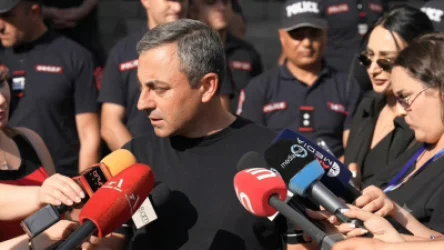
We are Concerned About Turkey's Destabilizing Policies Which Emerge from Positions of Force and Aggressive Rhetoric - Foreign Minister Zohrab Mnatsakanyan

The Armenian Ministry of Foreign Affairs has published a recent interview with Foreign Minister Zohrab Mnatsakanyan for Sky News Arabic. Below is the full text of the interview.
Minister, this is your first visit to Egypt and the Arab world, where thousands of Armenians reside. Considering the historical relations between Armenia and the Arab world, how do you perceive the future of the relationships between Egypt, Armenia, and the Arab world?
You know, the Middle East and the Arab world are a natural environment for the Armenian people. We share a long history of cohabitation and daily life. The civilizational ties between our peoples have very deep roots. I believe we have exceptional examples of mutual respect—respect for our cultures, civilizations, and religions. There is much talk in the international agenda about dialogue between civilizations and religions. We know this from our centuries-old history and the traditions built on solid foundations. Truly, a significant part of that is the life of the Armenian people in this region. The Armenian community in Egypt has made a tremendous contribution to shaping the friendship between our states. We have a very interesting agenda with Egypt, and we eagerly look forward to hosting the Egyptian President in Armenia.
Minister, as I understand, you have met today with the Secretary-General of the Arab League, Ahmed Aboul Gheit. From this perspective, how do you assess the coordination of relationships between Armenia and the Arab League, especially politically?
We have a rather good tradition of working with our partners within the Arab League, and it was a great honor for me to be hosted by the Secretary-General. We had a very important and thorough discussion on numerous issues related to the Middle East, for which we have established positions and approaches, through which we express our interest and involvement in matters of crucial significance for Armenia. We cannot remain indifferent to the numerous developments taking place in the Middle East for the same reasons I have already mentioned; the stakes are very high. Relations with the Arab world are extremely important for Armenia and are one of the key directions of Armenia's foreign policy. Therefore, we cannot be indifferent to all of this, and this dialogue is a major part of our work. We had a wide exchange of ideas and observations with the Secretary-General concerning the latest developments. Of course, there are many concerning developments, and our steadfast interest in maintaining stability and peace remains unwavering; we will work with all our partners in that direction.
From this perspective, how does Armenia view the peace agreement between the United Arab Emirates and Israel?
Of course, we are closely following these recent developments. We have a very important agenda and relationships with the UAE. Recently, we established a physical presence in Tel Aviv through an embassy. We discuss various matters with Israel in several aspects. We have an important agenda of cooperation and friendship with the UAE, and we value our dynamic relations very highly. And of course, we maintain our firm stance on the Palestinian issue, which is unchanged—we support a negotiated, two-state solution to the Palestinian issue. Indeed, we are observing the developments closely. We hope that such dialogue, such a peace process, is the only way to address a conflict marked by high sensitivity and a long history. We hope that such developments will contribute to the interests, concerns, and priorities of all parties involved. We monitor the developments closely and are fully confident that these developments will promote peace.
You mentioned that “our country has sufficient strength to defend our national security.” Who was that statement directed at?
The Nagorno-Karabakh conflict is an existential and physical security issue for us Armenians. This matter is based on a very strong awareness of security and the right of the people of Artsakh to self-determination. Recognition of these rights has always been a significant priority for the people of Nagorno-Karabakh alongside a stable security environment. It is also crucial that a peaceful negotiated solution is possible based on compromises. Compromise means diligent work that considers the interests of all parties and finds that essential balance in the commitments undertaken by the parties, which will lead to resolution. Any unilateral expansionist approach cannot serve as a solution, as I noted, this issue pertains to existential security, so the resolve to defend it is very strong. However, we are very clear that this conflict has no military solution.
We are very concerned about the highly destabilizing policies of our other neighbor, Turkey, which emerge from positions of force and aggressive rhetoric and actions. These actions manifest by providing Azerbaijan with strong military support and reinforcing its military presence there. We are also receiving alarming information about terrorists being recruited in certain parts of the Middle East who are to be or are already being transferred to Azerbaijan. This is not a commendable policy; it is an expansion of influence across the entirety of Turkey’s neighborhood. We are concerned; we are observing and monitoring developments in the Eastern Mediterranean, North Africa, and the Middle East and see the spread of influence as a manifestation of this policy. This does not contribute to peace; this is a very destabilizing policy.
Minister, you mentioned that Turkey's behavior affects the security of the South Caucasus, North Africa, and the Eastern Mediterranean. How can Turkish actions be addressed?
I believe you know that our policy has exclusively been directed towards stability, which is achievable through diplomacy, dialogue, conversations and negotiations. Unfortunately, we witness Turkey's rejection of such methods. Back in 2009, Armenia adopted a very serious and complex course. You understand, a nation that has been a victim of the genocide perpetrated by the Ottoman Empire and continues to bear the deep scars of denied justice has made efforts in this direction. However, these efforts were rejected by Turkey, as the protocols were denied by Turkey and the country's current administration, and our policy faced the false promises of negotiations. Of course, this is an effort that requires unification and solidarity, and we are united with all parties. We had that opportunity to express this while in Cairo during our meetings. As for the Eastern Mediterranean, we similarly express our solidarity with Egypt, as we have done with Greece and Cyprus. We are working in various directions to assist the Middle East, and only through the coordination of efforts by all actors in the region, including Turkey, will it be possible to work constructively towards de-escalation and a solution based on negotiations. I believe this concerns the entire international community—to unify capabilities for the sake of strengthening security.
Minister, you have good relations with Iran, and recently held discussions with Iranian Foreign Minister Zarif.
Yes, we have a very comprehensive dialogue with Iran on numerous international and regional issues, and of course, one of the most important principles of our foreign policy is to establish relations with one partner not at the expense of relations with another partner, whether it concerns Iran or any other partners. And this is a fundamental principle, which, of course, is not an easy task.
And the final question, during your visit to Cairo, you met with Grand Imam Ahmed Mohamed el-Tayeb and Pope Tawadros II of Alexandria. In your opinion, how can relationships based on peace and tolerance be built between individuals of different faiths to make the world more peaceful and secure?
I believe the history of Armenia, the experience of the Armenian people living in solidarity with the Arab world and the people of the Middle East serves as a guide on how to build relationships based on mutual respect and caring. We have deep respect for Islam and have historical experience of living alongside it. Our identity has taught us to value and prioritize the history, worldview, and care of others, rejecting any attempts to politicize religion. The latter sometimes confronts us in the context of the Nagorno-Karabakh conflict when we witness the attempts of some extremely irresponsible political actors to introduce the argument of religion, which is absurd for us because we are a nation that lives in solidarity with Islam as Christians. And the Nagorno-Karabakh conflict is absolutely not about religion.
Նմանատիպ հոդվածներ
Ավելին Politics բաժնից
Մենք հանդես կգանք հայտարարությամբ դա լինելու է մարդկանց աչքի առաջ թափանցիկ, այդտեղ պահելու բան չկա. Կարապետյան
ԱՄՆ-ն Իրանի հետ բանակցում է ամուր դիրքերից. Թրամփ
Դմիտրի Պեսկովը արձագանքել է ռուս մարմնամարզիկներին ազգային դրոշից զրկելու որոշմանը