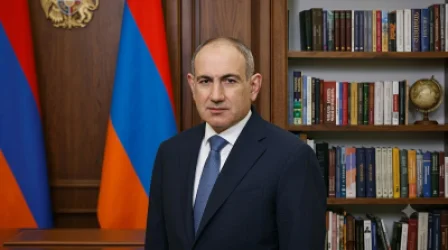
Only our courage to make mistakes will give us the determination to pursue the truth and bring new victories to Armenia, says Pashinyan

Prime Minister Nikol Pashinyan made a post on his Facebook page, in which he noted, "One of the most widespread discourses in public discussions after the 2018 revolution is the identification of the government’s missteps and attempts to steer it towards correct actions. In the public discussion arena, this is certainly understandable and acceptable, but within the logic of governmental activity, it is extremely dangerous because the search for 'correct' actions can paralyze the government and ultimately the country, as there is always an opportunity to improve any decision, and there can, and inevitably will, be observations, criticisms, and proposals, each beautifully justified and substantiated. However, the government must be capable of making decisions, naturally, correct decisions. But how correct must these decisions be, how refined and ideal? This question is particularly urgent today in the context of the ruling political force in Armenia, the 'Civil Contract' party.
“The Civil Contract” is the only opposition political force of the Third Republic that managed to fulfill its promise of carrying out regime change. But the paradox is that the CP has done this exclusively due to the 'consistency of mistakes.' From the day of its founding, processes in the Armenian opposition field were taking 'correct' actions, to which the 'Civil Contract' adopted a 'wrong' stance. Moreover, I do not put any irony in the definitions of 'correct' and 'wrong'; these definitions stem from the prevailing sentiments and perceptions of the public at that moment. Ultimately, the 'Civil Contract' won thanks to a consistent strategy of 'wrong actions' because that political force understood what was going wrong, why, and what problem it was solving through that.
The aim of those consistent mistakes was to create a new plane of thought, a determination not to follow the trodden paths of inevitable defeats, and a determination to engage in dialogue with the public, sometimes turning debates, arguments, and accusations into discussions. At that time, we knew that if we did everything correctly, we would lose, just as the opposition forces that had acted correctly since 1994 had lost, including us during our joint struggle with those forces and the defeats that followed.
But we decided to proceed in the wake of mistakes, thereby liberating ourselves from the shackles of the aspiration to be correct, as the imperative to be correct does not allow one to take action because there is a likelihood that it might be a wrong step. And thus, at a decisive moment, an unavoidable question arises: is it worth making such a step, and what if it turns out to be a fatal mistake? It is at this point that paralysis occurs.
Thus, only the determination to be wrong provides an opportunity to move forward. To clarify for the reader what I am speaking about, I will present a brief history of the mistakes of the 'Civil Contract':
2014: At this time, the CP was still a civic initiative but had some noticeable presence in the political arena. The quartet of ARF-Dashnaktsutyun, 'Heritage,' ANC, and BHK decided to initiate a political process that was supposed to be some mix of bourgeois-democratic revolution-regime change. The CP decisively decided not to participate in this and faced a storm of disdain. They were considered a project of Serj, a sold-out opposition, and so forth. The process ended with Hovik Abrahamyan being appointed prime minister instead of Tigran Sargsyan.
2015, referendum on constitutional changes: At that time, the opposition decided to effect regime change, regarding the referendum on constitutional changes as an ideal opportunity for this. The CP viewed this as a fake agenda, even stating that under the constitution proposed by Serj Sargsyan, which would fully come into force in April 2018, it would be easier to effect regime change than under the previous constitution. In spite of the pressures, demands, urgings, and insults from the opposition, the CP did not participate in the process. It ended with the opposition going home. During this time, the CP was accused of being a sellout, manageable opposition.
2016, the capture of the police patrol service regiment: The CP went to the scene of events with a stance of 'No to Violence,' stating that it does not accept the use of force for any political purpose, especially shooting at citizens of Armenia, regardless of any justification. At that time, the symbol of 'fighting with open hands' was born. But here, the CP also erred because in an environment where hitting, shooting, and even killing were considered legitimate, those calling for a fight with open hands were considered sellouts, manageable opposition, and so forth. At that time, calls were also made to throw the CP representatives into trash cans; ultimately, amidst the boos, the CP left the square and refused to return. The process ended with the initiators of the process renouncing the demand for Serj Sargsyan's immediate resignation and surrendering, after which everyone went home.
2017, parliamentary elections: The CP, which was part of the 'Yelk' alliance, rejected the policy of post-election regime change and stated that the election results had been formed based on voters' votes. It stated outright that it was our citizens who had taken bribes and voted; let them enjoy the 'power' they 'elected.' The CP was accused of begging for mandates, being sold-out.
2018, Armenia: Almost everyone had reconciled that Serj Sargsyan would be re-elected. Many had even arranged and planned their lives for the next 10-15 years. The CP announced a revolution, and some people laughed at it, while others accused it of being sellouts, claiming that the CP wanted to provide a democratic veneer to Serj Sargsyan's reelection. There were opposition forces that also did not intend to reconcile with Serj Sargsyan’s reelection. But they proposed old methods of struggle. The CP categorically rejected them, receiving yet another accusation of splitting the opposition and being sellouts. And what happened after that, you all know.
I write all this not for a historical overview. The greatest threat to a revolutionary power formed in an atmosphere of universal sympathy and love is the urge to be 'correct.' Each person has perceived the revolution in their own way, but the power created by the revolution must take exclusively strategic steps without fear, sometimes consciously making mistakes when the expectation of the correct decision does not allow one to move forward and ultimately leads to paralysis and an inability to make decisions.
The CP must continue the 'path of consistent mistakes' it embarked on in 2014 and even before that. Because that is the way to move Armenia forward. We must abandon our aspirations to stay within the comfort zone of 'being liked' because we have not come to power to stay here; we have come to shape a new plane of thought for our people, for our state, and to elevate Armenia to this new level. And we will do this by continuing our strategy of consistent mistakes. Because the perspective from which you examine whether any decision is correct or wrong is fundamentally significant.
There is no greater mistake than standing still. And only the determination to fail can lead us forward along the path of seeking the truth. Every representative of the CP — in the National Assembly, the government, the municipalities — must have the courage to make mistakes, provided that these are conscious mistakes stemming from the program, ideas, history, ideals of the 'Civil Contract' party, and our unwavering desire to strengthen Armenia and make it a powerful state. Only our courage to make mistakes will give us the determination to pursue the truth and bring new victories to Armenia. Only the courage to fail will bring us victory.
P.S. This text is based on my speech at the extended meeting held yesterday at the 'Civil Contract' party office. If the text-based media publish it, please title it 'The Determination to Make Mistakes: The True Path.'
Նմանատիպ հոդվածներ
18+. Video from the Northern Front of Artsakh: Alexander Kots
VIDEO: Public Television Host Breaks Down in Tears While Speaking About Victims
What fines will be imposed during quarantine and how much will citizens pay. The police present
Approximately 133 Million Drams Spent from State Budget for Independence Day Celebrations
Ավելին Society բաժնից
Ռուսաստանում բարձրանում է հասարակական տրանսպորտի ուղեվարձը
Հատիկառհատիկ․ Նուբարաշենում 0.006 հա հողատարածքի նկատմամբ վերականգնվել է պետական սեփականությունը
Հայաստանի ժողովուրդը չի հանդուրժելու նոր բռնապետին. Հայկ Մամիջանյան