Little Time Left: Russian Political Scientist Mironov on the Belarusian Scenario in Russia
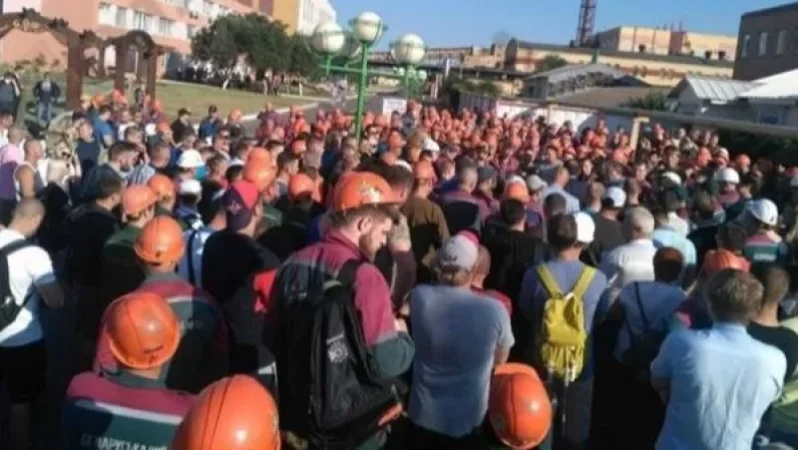
Strikes by employees of major enterprises have brought a new quality to the popular revolution unfolding in Belarus. First and foremost, this threatens Lukashenko's regime with serious economic consequences. The overall damage from the refusal to recognize fair election results and further police operations against the Belarusian people can be estimated in hundreds of millions of dollars or up to 1% of Belarus's GDP, writes Russian political scientist, economist, and public figure Vladimir Mironov.
The second crucial concept is psychological. In authoritarian state-monopolistic regimes, employees of major enterprises are among the most loyal yet simultaneously the most vulnerable groups. They are loyal because, as a rule, salaries here are above average and relatively stable, while they are vulnerable because the loss of their job threatens serious personal problems. Currently, the protests from Belarusian enterprises are particularly striking—they demonstrate a complete loss of fear among the population towards the regime.
Finally, a politically significant circumstance: the favorite rhetorical phrase of dictators is the contrast between "real workers engaged in useful work" and the "unemployed drunks and drug addicts" who venture out into the streets seeking to "set fires with State Department money." Today, Lukashenko literally echoes these very words. A similar schema was utilized by Vladimir Putin during the 2012 presidential election campaign, contrasting workers from the Uralvagonzavod facility with "angry urban hipsters struggling with unemployment." But something has gone wrong: today these Belarusian "workers" are massing nationwide, openly opposing their country's leader and supporting his main rival, Svetlana Tikhanovskaya. The dictatorial legend is collapsing before everyone's eyes.
Is such a strike movement possible in Russia? Firstly, protests against Lukashenko have taken place during the new designations in 2015 and 2010, but the enterprises did not participate in those protest movements. The conclusion is likely clear: something has seriously and psychologically changed in the society between the 20 and 26 years that a dictator has been in power. People are definitively ceasing to believe in the authorities' promises of a "bright future" and "stability." Such a scenario is 100% likely for Russia, but it may occur a little later, since Putin has been in power for a shorter period than Lukashenko.
Secondly, the situation is very different here; Belarus is a compact country, and there is no such regional and ethnic differentiation as seen in Russia. There is no socioeconomic gap between capital cities and regions comparable to Russia's.
Today, in Belarus, workers are going on strike precisely because of national solidarity, which is noticeably weaker in Russia. This means that the path from large political protests to strikes may be somewhat more complex.
Another issue for Russia is its role as a "global geopolitical power." This simplifies Putin's propaganda task. Belarus is not a geopolitical player, it is not fighting against America, and the factor of this opposition does not operate there as efficiently as it does in Russia.
Generally, large protests do not occur spontaneously. At the base of the emergence of a strike movement, there are still political reasons and carefully constructed political pretexts. Those who today talk about the potential emergence of a strike movement in Russia must understand that for this, very clear and specific political reasons and demands must be present.
Lastly, the authorities fully recognize the dangers and risks stemming from a strike movement. The dictatorship understands very well how dangerous a strike movement is; hence, they are fighting against it more actively than against political protests.
A strike is not an easy task given all the problems described above. But the time will come, and such a movement will begin in Russia as well. As mentioned above, judging by the Belarusian timeline, it is not long to wait. The fatigue from the exhausted leaders will have its consequences.
Նմանատիպ հոդվածներ


Ավելին Other բաժնից

19:00 Լուրերը մեկ տողով. Հեծանիվ վարելիս 12-ամյա երեխա է մահացել. Փարիզը պատել է շոգը, Մոսկվան՝ հորդառատ անձրևներ

18:00 Լուրերը մեկ տողով. ֆուտբոլիստի մահ. Թուրքիայի ակնկալիքը ԱՄՆ-ից
17:00 Լուրերը մեկ տողով. Հրդեհ Երևան-Երասխ ճանապարհին. սոցցանցերի արգելք երեխաներին