The Treaty of Sèvres is a Historical Fact and Remains So to This Day: Prime Minister

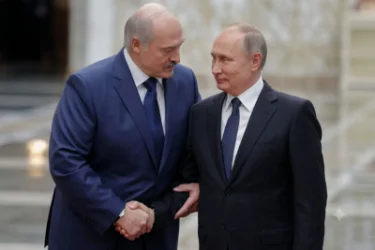
Prime Minister Nikol Pashinyan has addressed participants at a conference dedicated to the 100th anniversary of the signing of the Treaty of Sèvres.
“Dear compatriots, I greet all the participants of the conference commemorating the centenary of the signing of the Treaty of Sèvres. I extend my deep gratitude for initiating this significant event.
The Treaty of Sèvres holds a meaningful place in the contemporary history of the Armenian people. It is no coincidence that it continues to be the subject of scientific studies and analyses. Therefore, it is crucial that unbiased analyses by our scholars regarding this document, the events leading up to it, and developments that followed are accessible to both our people and the international community. Today’s conference serves that purpose, and I wish success to its proceedings, hoping for fruitful discussions and new important discoveries.
The Treaty of Sèvres is a historical fact. It remains so to this day. What makes this document significant for the Armenian people? Why is it still in the focus of our attention?
Firstly, the Treaty of Sèvres was signed based on the outcomes of one of the most dramatic chapters in human history—the First World War, about two years after its conclusion. Just as the Treaty of Versailles established peace in Europe, the Treaty of Sèvres aimed to have a similar effect in the territories of the former Ottoman Empire in the Near East. It put an end to the suffering and deprivations endured by the peoples of that region due to the war. It signaled the end of the 'cursed years.'
Like the Versailles Treaty in Europe, the Sèvres Treaty established a new system of interstate relations in the region. It introduced new principles and values, establishing not just peace but also justice in the Near East.
The agreement was based on the most advanced ideas of its time. The principle of self-determination and equality of nations was paramount. It ended centuries of enforced bondage imposed by empires and granted freedom and independence to the peoples of the region. Moreover, by granting the right to establish national states in historic territories, it created favorable conditions for the coexistence of Muslim and Christian peoples in the region, peaceful coexistence, and the preservation and further development of the region’s civilizational diversity.
Secondly, the Treaty of Sèvres is the international document that recognized and solidified the independence of Armenia. The Republic of Armenia represented an equal party to this document. For the first time in centuries after the loss of independence, the Armenian authorities signed an international treaty alongside the great powers of the world. Within the boundaries outlined in the treaty, the Republic of Armenia was recognized as a full-fledged member of international relations and an equal subject of international law.
By being a party to the treaty, Armenia and the Armenian people received recognition for their contribution to the victory of the Allied Powers and to the establishment of peace after the First World War. The role of the Armenian people in international relations and post-war governance was duly emphasized and appreciated.
Thirdly, Article 89 of the Treaty of Sèvres states and affirms the historical and indisputable connection of the Armenian people with the Armenian Highlands, where the Armenian people have lived, evolved, and created their statehood and culture for millennia.
Finally, the Treaty of Sèvres was signed during the period following the Armenian Genocide when the Ottoman Empire attempted to address the “Armenian Question” through the annihilation of the Armenian people. The Armenian people endured the most brutal and inhumane suffering, with massive losses. Meanwhile, the Sèvres Treaty paved the way for overcoming the consequences of the genocide. Through the establishment of an independent state in the historical homeland of the Armenian people, the
Նմանատիպ հոդվածներ
I Ask the Deputies to Attend the Meeting Room. The National Assembly Session Was Postponed
Military Leader Senor Hasratyan Retires After 25 Years of Service
Changes in Mask-Wearing Regulations: The Chief of Police Signs a New Decision
Armenian Army Demonstrates Superiority Over Azerbaijani Forces, Says Artzruni Hovhannisyan to Defense Romania
Ավելին Politics բաժնից
Բուրկինա Ֆասոն խզեց դիվանագիտական հարաբերությունները Ֆրանսիայի հետ
Իրանը հուսահատորեն ցանկանում է համաձայնագիր. Թրամփ
Իրանը փորձում է մեզ ուժով դուրս մղել. Նեթանյահուի կոշտ հայտարարությունը