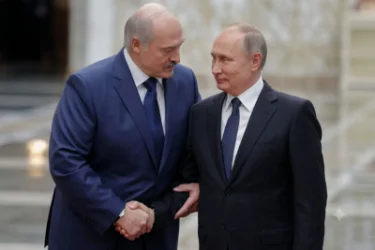
Agreement Through the Coordination of the Russian Foreign Ministry and Armed Forces General Staff: Mnatsakanyan

We present the interview of Zohrab Mnatsakanyan, the Minister of Foreign Affairs of Armenia, to the "Perspectives" program.
Question: Let's start with the recent incidents in Tavush, those events, and Turkey's unprecedented involvement in these incidents. First, do you agree that Turkey's involvement was unprecedented? If yes, what political and diplomatic consequences could this bring?
Zohrab Mnatsakanyan: Thank you, Mr. Abrahamyan. Indeed, Turkey's positioning in light of these developments reflects Turkey's destructive and destabilizing policy shaped in this region, which we have witnessed and continue to witness in the Eastern Mediterranean, North Africa, and the Middle East. What happened after July 12 aims to export that destabilizing policy to the South Caucasus, which is unacceptable. We resist it by all possible means and will oppose any attempts at destabilization of the South Caucasus by the region's neighbors. In this regard, we are utilizing all available tools at our disposal through the activation of all our national and international formats.
Question: After a seven-day pause, Aliyev spoke again, and if you allow me to use a non-diplomatic expression, from a journalistic viewpoint, Turkey's behavior seems to embolden him to be more aggressive. Do you agree or not?
Zohrab Mnatsakanyan: To be honest, I do not agree, nor do I generally agree with this approach, as what we hear from Baku is not very impressive. I believe that what was clearly displayed after July 12 was that the language of threats and methods of threats do not influence Armenia and Artsakh, both in rhetoric and actions. This is rejected in all respects, and such rhetoric does not honor our entire region; it is rhetoric more suited for a “gangster settlement” process. This is unacceptable and destructive. The language of threats does not work, has been rejected overwhelmingly. This has been our position for the past two years and has been made clear in the political and diplomatic arenas, expressed clearly since July 12.
Question: Recently, Armenia circulated a declaration within the framework of the OSCE regarding a halt to Turkey's inspection visits to Armenian territory under the Conventional Armed Forces in Europe Treaty and the Vienna Document. What does this mean in more accessible language?
Zohrab Mnatsakanyan: That was our proportional response to the actions taken today by Turkey and Azerbaijan jointly—initiating and conducting these military exercises, which occur at a time when both the international community and the co-chairs, all our resources are invested in reinforcing de-escalation. This is, of course, unacceptable. These military inspections under the CFE Treaty and the Vienna Document contain significant tools. They are instruments for building mutual trust and instruments for equal and reciprocal respect for security interests. What Turkey is doing does not display such mutual respect, and this was Armenia's equivalent response.
Question: So, this is a response to the Turkish-Azerbaijani military exercises?
Zohrab Mnatsakanyan: Yes.
Question: Regarding the OSCE Minsk Group. Are the statements from the co-chairs of the Minsk Group consistent with the situation?
Zohrab Mnatsakanyan: Since July 12, we have been in contact with the co-chairs, who were very actively involved shortly after the developments, working together at any time for one purpose: to ensure de-escalation, to restore the ceasefire, to restore the situation to prevent a deeper crisis. We have attempted three times to establish the restoration of that ceasefire, which has become more effective since the third attempt. We have openly expressed our views on the roles of all three co-chairs, and they have been very coordinated, especially the Russian co-chair. Through the coordination of the Russian Foreign Minister and the General Staff of the Armed Forces, we managed to achieve what we have today. The main objective now is to ensure de-escalation, restore the environment we always talk about that contributes to normal work and progress in the negotiation process.
Question: From a purely journalistic, non-professional perspective, if you look at the situation, it seems that Russia's diplomacy is certainly active. Turkey, which is a member of the Minsk Group, but not a co-chair, is also active. The other co-chairs, to a certain extent, the United States and France, seem not to be so active in these matters. Or is this just an impression?
Zohrab Mnatsakanyan: Perhaps it is somewhat an impression, but I have already stated that Russia has been quite actively involved. However, it is significant to emphasize that Russia has worked in a very coordinated manner with France and the United States. Personally, I have actively negotiated with all three co-chairs during this period to achieve our immediate goal. This was also expressed in the co-chairs' statement, which was presented during these events.
Question: Regarding the CSTO, Armenian public opinion has various views. One of them is that we should have turned to the CSTO more actively for it to get more involved, while others argue that we should not have turned to it at all, as the CSTO provides no benefit. Perhaps there is something in between, right?
Zohrab Mnatsakanyan: We have various international formats, one of which is the CSTO. We are a member of the CSTO. That is our international cooperation platform, and we have our functions. When we say we are utilizing all international formats, it means that we are working, assessing proportionally where and how to engage. In this regard, indeed, we have not appealed, at that moment we did not find it necessary to do more than to inform the member states of the CSTO about the developments that have been occurring since July 12. We have performed that function and will continue to work within the CSTO in the sense that this is our cooperation platform. We will utilize all possible instruments at our disposal to serve our main purpose, which, among other things, relates to the maintenance of stability and security in the region.
Question: Mr. Mnatsakanyan, there are countries and organizations that support Azerbaijan in this situation, and there are countries and organizations that call for restraint from both sides. But there is not one of them that, in the same way as Turkey, unequivocally supports Azerbaijan, unequivocally supports Armenia. Is that correct?
Zohrab Mnatsakanyan: In reality, there is, but I will consider this question in a slightly different context, because such an evaluation is more emotional, superficial, and turns into a sport of who supports whom how. The other question is much deeper, relating to the significant signals expressed by the co-chairs. That is the platform, that format that is recognized by the international community as the main platform for the peace process. That mandate has been given to the three co-chairs by the international community. Their positions have received broad support from the international community, expressed in many forms—both by individual states and by the OSCE, the EU, and the UN Secretary-General. The essence of that position expressed in their statement relates to the very important principle of restoring stability, restoring the ceasefire, excluding threats and the language of threats, excluding maximalism, and working on such solutions necessary to achieve the corresponding compromise balance. This position is more significant for us than any involvement in sports, gauging how Turkey has supported Azerbaijan more than Armenia.
Question: And among those supporters was Ukraine, which has supported Azerbaijan in this matter. Is this not a failure of our diplomacy? Could Ukraine not have maintained a neutral position?
Zohrab Mnatsakanyan: I would say that Ukraine seems to have a complex regarding understanding the essence of the Nagorno-Karabakh conflict, understanding the serious threats faced by the people of Artsakh, the Republic of Artsakh, the real threats to our region's security and the complex of the separation of conflicts and the assessment of conflicts according to their merits, essence, and history. That is where we have the disagreement. During these two years, we have worked very consistently with Ukraine in this regard, as we have no complexes, no issues with the friendly people of Ukraine, and will continue to work consistently in that direction to convey our signals and messages. We are patient and will continue to do so. However, we will continue to regard positions disconnected from reality, based on generalized approaches, as unacceptable. This brings no benefit either to the region or to them or to us.
Question: Occasionally there are calls to return to substantive negotiations around the Nagorno-Karabakh issue. Those calls are also coming from the old Minsk Group co-chairs. We are talking about what people assume is the
Նմանատիպ հոդվածներ
The Information Does Not Correspond to Reality: Ministry of Defense Spokesperson on Reports of Turkish Fighters Approaching Armenia's Border
Urgent: Work Halted at Mashtots Park as of Today, Says Hayk Marutyan
Have Azerbaijani Hackers Breached Armenia's Government Internal Network? NSS Is Trying to Determine Right Now
Military Leader Senor Hasratyan Retires After 25 Years of Service
Ավելին Politics բաժնից
Բուրկինա Ֆասոն խզեց դիվանագիտական հարաբերությունները Ֆրանսիայի հետ
Իրանը հուսահատորեն ցանկանում է համաձայնագիր. Թրամփ
Իրանը փորձում է մեզ ուժով դուրս մղել. Նեթանյահուի կոշտ հայտարարությունը