Komitas Closed Market Management Ready to Accept Agricultural Market Participants for Free
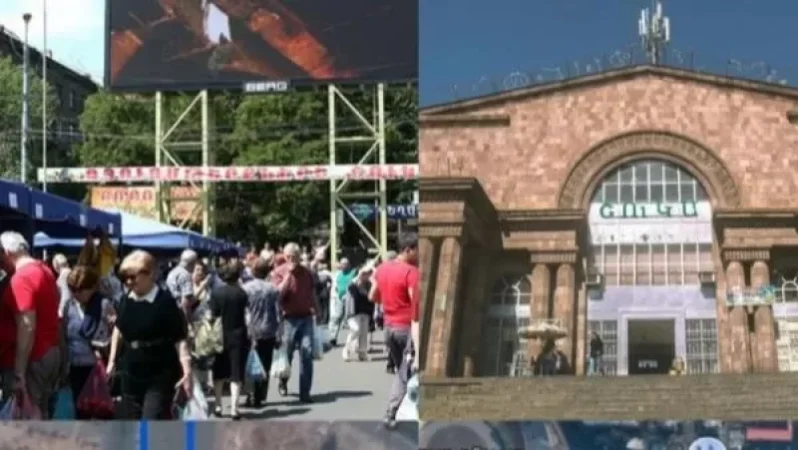
The agricultural market organized on weekends at the beginning of Komitas Avenue has long caused complaints from residents of neighboring buildings. This was stated in a post on the Facebook page of the Arabkir administrative district.
This discontent has been attributed to both unsanitary conditions and noise, as well as restrictions on the movement of people and vehicles. Another issue is the unequal competitive conditions created by the market’s activities, which have also led to dissatisfaction among the shopkeepers and traders.
The city authorities' permit for the market's operation expired in 2020, and no new permission has been granted to conduct trade in the same format in the area, considering the aforementioned concerns and several other factors, including numerous citizen complaints.
We offer farmers selling their products at the agricultural market to relocate to the covered market at Komitas, and an agreement has been reached with the owner that farmers will have FREE space in the market on weekends.
We believe this is an optimal solution that will help eliminate the unsanitary environment in one of the key squares of Arabkir, regulate the paralyzed traffic situation, and restore tranquility to the residents of the neighboring buildings.
It is worth mentioning that the market operating in the area for years would not have caused a collapse if similar markets from other administrative districts had not concentrated here over time, for which the physical dimensions of the square are simply insufficient.
Supporting agricultural development and the sale of agricultural products is undoubtedly essential, but it must be organized in a way that does not violate the rights of hundreds of citizens, preserves the rules of coexistence, and ensures that residents are not deprived of the opportunity for peace on weekends.
It should also be noted that city authorities have allocated space near the “Hrazdan” stadium for organizing agricultural market sales to make the sale of agricultural products in the capital more organized, which could be much more beneficial and convenient for several neighboring administrative districts.
Organizing agricultural trade in the new location will relieve the residents of Arabkir from many inconveniences, while the administrative district leader’s staff will have the opportunity to turn the square named after Mher Mkrtchyan into a cultural public square worthy of the great artist.
Նմանատիպ հոդվածներ

The Guardian Explores the 'Apricot War'
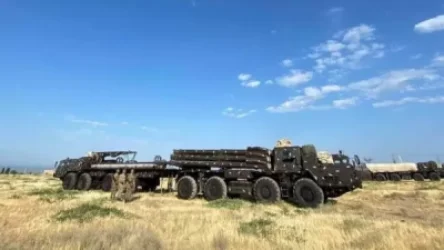
Part of Armed Forces Placed on High Combat Readiness, According to MoD Spokesperson
Fighting Has Diminished. We Have No Casualties, But the Opponent Certainly Does. Artzrun Hovhannisyan
Opponent Summarizes Its Losses: 12 Names Circulated - Artzrun Hovhannisyan
Ավելին Other բաժնից

19:00 Լուրերը մեկ տողով. Հեծանիվ վարելիս 12-ամյա երեխա է մահացել. Փարիզը պատել է շոգը, Մոսկվան՝ հորդառատ անձրևներ

18:00 Լուրերը մեկ տողով. ֆուտբոլիստի մահ. Թուրքիայի ակնկալիքը ԱՄՆ-ից

17:00 Լուրերը մեկ տողով. Հրդեհ Երևան-Երասխ ճանապարհին. սոցցանցերի արգելք երեխաներին