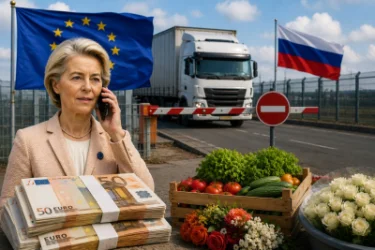
The Guardian Explores the 'Apricot War'
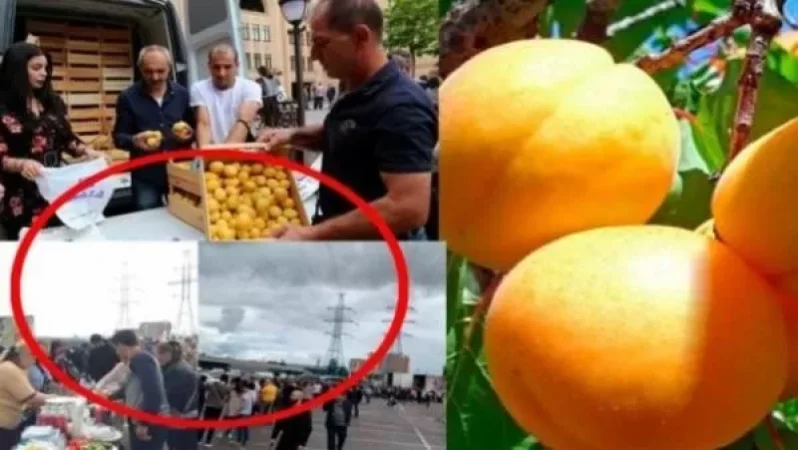
The British newspaper The Guardian has addressed the issue of attacks by Azerbaijanis on Armenians in Moscow, in light of the tensions at the Armenian-Azerbaijani border.
The publication writes that upon learning of the decision by the leadership of 'Food City,' Armenian businessman Saribek Gevorgyan promptly took action by temporarily providing free space for Armenian apricot sellers.
“We told our friends that no one in the Russian Federation can close their doors to us Armenians,” remarked Gevorgyan, owner of the 'Silk Road' shopping center. “The Russian Federation is open to anyone who enters the country, earns money, and conducts business,” the article states.
It is noted that the clashes at the Armenian-Azerbaijani border in July were “the most serious confrontations in the last four years.” “Aftershocks spread worldwide, leading to brutal clashes between the national communities of the two countries in the US and Europe, as well as a small economic war in Moscow,” the report indicates.
The article mentions an incident on July 24 in which a driver of a car with Armenian license plates was attacked by Azerbaijanis in Moscow. “To save the apricots, representatives of the Armenian community in Moscow spread online notifications on behalf of several shopping centers, which provided farmers with free space to sell their produce. As a result of the online messages, thousands of people flocked in, and the sale turned into an impromptu Armenian main fruit festival—the apricot festival. In the shopping centers, people danced traditional Kochari and bought boxes of fresh fruits,” it says.
Returning to the topic of apricots, the source notes that many representatives of the Armenian diaspora called on thousands of followers on online platforms to buy apricots, in order to prevent the produce from spoiling. “All this unintentionally turned into an apricot impromptu celebration. And although the 'Apricot War' has ended, reports are now circulating that markets and stores owned by Azerbaijanis are banning the sale of Armenian products. The Armenian Ambassador to the Russian Federation, Vardan Toghanyan, alerted RBC in an interview that Armenian canned goods, mineral water, and brandy have disappeared from one of Moscow's major supermarket chains owned by an Azerbaijani businessman,” the publication notes.
The source adds that while the two countries often clash—particularly at the borders of Nagorno-Karabakh—such conflicts rarely extend into Moscow's commercial sector. “Even during the four-day war in 2016, there was no such sentiment in Moscow. This is an economic war; this has never happened before,” stated the director of the Museum of Armenian and National Cultures in Moscow in an interview with the publication.
Նմանատիպ հոդվածներ
Part of Armed Forces Placed on High Combat Readiness, According to MoD Spokesperson
Armenia Leads in COVID-19 Infection and Fatality Rates per Million in the Region
Fighting Has Diminished. We Have No Casualties, But the Opponent Certainly Does. Artzrun Hovhannisyan
Opponent Summarizes Its Losses: 12 Names Circulated - Artzrun Hovhannisyan
Ավելին Other բաժնից
18:00 Լուրերը մեկ տողով. Սրբազանի տնային կալանք. Քննչականը բացահայտել է փողերի լվացման սխեմա

17:00 Լուրերը մեկ տողով. Հակակոռուպցիոն կոմիտեի զգուշացումը. ինչ է կատարվում ՀՀ-ում և դրանից դուրս
16:00 Լուրերը մեկ տողով. Ղարաբաղցիների վարկերի ներում. աղմկահարույց ձերբակալություններ