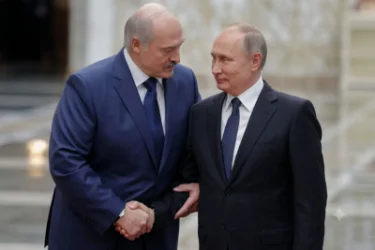
Azerbaijan Must Immediately Abandon Its Policy of Using Force or the Threat of Force: Armenian Foreign Ministry

The spokesperson for the Armenian Foreign Ministry, Anna Naghdalyan, has shared the official stance of Yerevan regarding the recent escalation on the border with Azerbaijan.
“The contradictory statements from Azerbaijani officials against the backdrop of recent tensions at the Armenian-Azerbaijani border once again highlight that either they have lost their sense of reality in Baku, or we are witnessing uncoordinated actions by different sectors of the Azerbaijani state apparatus. Let me present the facts: On July 12, Azerbaijani forces provoked an incident at the Armenian-Azerbaijani border in the Tavush region of Armenia. This was followed by intense shelling of residential areas and civilian infrastructure. The arguments regarding whether a modern army would attack with a 'UAZ' or not are irrelevant, as the Azerbaijani army is hardly considered modern.
Similarly, the accusations regarding the illegitimacy of Armenian actions that come from official Azerbaijani circles are equally unacceptable. Armenia will decisively protect and continue to defend its defensive lines and the safety of its citizens.
What is truly worth contemplating in the context of illegitimacy are Azerbaijan's threats to shell the Armenian nuclear power plant in Metsamor. Such statements are comparable to the use of weapons of mass destruction and the threat of nuclear terrorism, endangering not only the population of Armenia but also all peoples of the South Caucasus, and especially the Azerbaijanis themselves.
Realizing the explosive situation, Azerbaijani officials have begun to claim, competing with each other, that the official statements made by the Azerbaijani Ministry of Defense during military operations do not reflect Baku's official position. Either this is a poorly disguised lie, or Azerbaijan's military-political leadership does not control the actions and statements of its subordinates, with the Ministry of Defense consisting of extremists.
I want to emphasize once again what the Armenian side has repeatedly voiced: Azerbaijan must immediately abandon any policy of using force or the threat of force in any context. Attempts to speak to us from a position of power work against those who initiate them.
While being committed to the peaceful resolution of conflicts, we have practically showcased the invulnerability of the security system of Armenia and Artsakh. We have repeatedly stated and will continue to advocate that risk reduction mechanisms must be implemented to prevent border incidents, including increasing the number of international observers on the ground and their permanent deployment, as well as establishing direct communication and mechanisms to investigate ceasefire violations. The implementation of these mechanisms can help avoid a further resumption of escalating tensions.
In this regard, Azerbaijan must return to a constructive field and take steps towards the implementation of the aforementioned mechanisms, the urgent necessity of which was highlighted against the backdrop of this military escalation.
The co-chairmanship of the OSCE Minsk Group is the only format within which the peace process is taking place, and no changes can be made to that format. Here, I want to emphasize that the mediating countries are the co-chairing states: Russia, France, and the USA.
The Azerbaijani leadership distorts the essence of the negotiation process and the Minsk Group. In their view, the essence of the negotiation process is ensuring the integration of Artsakh into Azerbaijan, obviously without considering the opinions of the people of Artsakh themselves. And since this is not happening, the Azerbaijani side expresses its dissatisfaction with the negotiation process and the works of the co-chairs. However, the issue is not with the co-chairs, but with Azerbaijan's maximalist position, its unwillingness to seek compromise, and its reluctance to find a solution that is acceptable to the peoples of Armenia, Artsakh, and Azerbaijan.
The peaceful resolution must be comprehensive and obtained through the direct involvement of all parties to the conflict. Artsakh must represent itself as a direct party in the negotiation process through its democratically elected authorities, where its future fate will be determined.
Նմանատիպ հոդվածներ
Armenian Armed Forces Demonstrate Exceptional Readiness, Debunking Myths About Azerbaijani Military Capability: Pashinyan
The Information Does Not Correspond to Reality: Ministry of Defense Spokesperson on Reports of Turkish Fighters Approaching Armenia's Border
Urgent: Work Halted at Mashtots Park as of Today, Says Hayk Marutyan
Have Azerbaijani Hackers Breached Armenia's Government Internal Network? NSS Is Trying to Determine Right Now
Ավելին Politics բաժնից
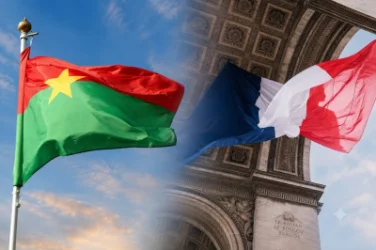
Բուրկինա Ֆասոն խզեց դիվանագիտական հարաբերությունները Ֆրանսիայի հետ
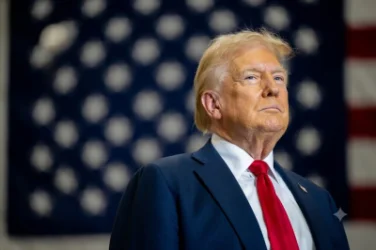
Իրանը հուսահատորեն ցանկանում է համաձայնագիր. Թրամփ
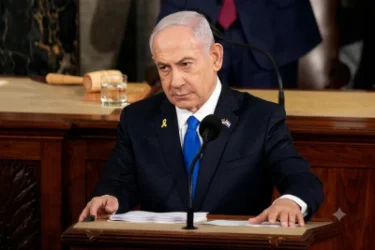
Իրանը փորձում է մեզ ուժով դուրս մղել. Նեթանյահուի կոշտ հայտարարությունը