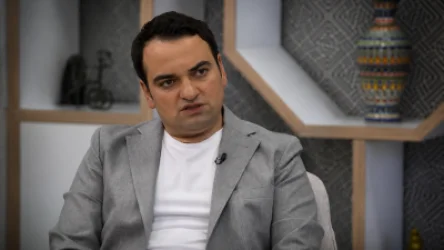
Tsarukyan's Defense Team Dissatisfied with Court Decision

I assert that the criminal case against Gagik Tsarukyan is being examined illegally by the NSS of Armenia and that it should be investigated exclusively by investigators of the Special Investigative Service of Armenia. This was stated by Tsarukyan's defense attorney Yerem Sargsyan on his Facebook page.
He specifically noted: “A very extensive analysis can be made regarding this issue, but we will do it in the appellate court, and for now, I will present the issue in a more concise and accessible manner: Thus, the investigatory jurisdiction is defined by Article 190 of the Criminal Procedure Code of the Republic of Armenia, wherein part 6 states that ‘The pre-investigation of crimes committed by the heads of the legislative, executive, and judicial authorities of the Republic of Armenia, as well as public servants concerning their official positions, or their accomplices or the crimes they committed, is carried out by the investigators of the Special Investigative Service.’
Beyond the fact that Gagik Tsarukyan is a member of the National Assembly, the criminal case against him was initiated and is being investigated under the aforementioned Article 154.2 of the Criminal Code of the Republic of Armenia, for which the pre-investigation is carried out exclusively by the investigators of the Special Investigative Service of Armenia.
Moreover, part 10 of the same article clearly stipulates that ‘The prosecutor decides the issue of combining cases regarding crimes subject to various state authorities' investigators into one proceeding or if in the course of investigating a case a different investigator is applicable and with regard to offenses not provided for in part 8 of this article.’ This rule does not apply to the criminal cases covered by parts 6 and 6.1 of this article, for which the pre-investigation is exclusively conducted by investigators of the Special Investigative Service.
If the prosecutor has the right to take any criminal case from one pre-investigational body and hand it over to another, then the question arises: why has the legislator explicitly determined that cases specified in part 6 are examined exclusively by investigators of the Special Investigative Service? Once again, I ask, for what purpose is this exception provided and for whom, if not for the prosecutor?
The fact that the Prosecutor's Office has established such illegal practices, by which criminal cases under the jurisdiction of the SIS are handed over to the NSS for investigation, does not mean that it is legal. The fact that many judges, well aware that the illegality of the prosecutor's actions will also render the entire criminal case illegal, still avoid being the first to address this practice does not mean that this practice is lawful.
If even the courts with this criminal case have not the courage to acknowledge this violation, I assure you that one day this illegal practice will be abolished, and the prosecutor's office will return to the realm of legality.
Finally, in order not to suggest that this is only the position of Gagik Tsarukyan's defense team, I would also like to present a section from the work of the impartial third party, Doctor of Law Professor Arthur Ghambaryan, titled ‘Prosecutorial Disobedience to Investigative Jurisdiction.’ ‘The prosecutor's authority: Article 190 of the Criminal Procedure Code of the Republic of Armenia clearly defines the investigative body competent to conduct the preliminary investigation for a given criminal case (imperative rules of investigatory jurisdiction). The prosecutor can only change or determine jurisdiction in cases explicitly provided by law (discretion of jurisdictional determination). In the presence of imperative rules of investigatory jurisdiction, the prosecutor does not have discretion to take a criminal case from one investigational body and give it to another investigational body. ... In practice, the prosecutor's office, ignoring the imperative rules of investigatory jurisdiction, has arrogated to itself the power to take any criminal case from one investigational body and hand it to another investigational body. Such practice is nothing more than disobedience to the institution of investigatory jurisdiction.’ This is also the objective position of a third, impartial scientist regarding this issue. I leave the conclusions to the reader.
Lastly, I mention that the court has not addressed this question in Gagik Tsarukyan's case, stating that it does not have the authority at this stage. Since Gagik Tsarukyan's defense team has disagreements regarding certain provisions of the court's decision, they are therefore prepared to appeal the decision to the appellate court in a short period of time, and this issue will also be subject to appeal.
Նմանատիպ հոդվածներ
Ավելին Politics բաժնից
Դատախազությունը հրապարակել է ընտրախախտումների ուշագրավ վիճակագրությունը

Սրբուհի Գալյանը՝ կենսաթոշակների բարձրացման մասին

Նա սարսափելի մարդ է, խելագար․ հուսով եմ՝ նրա հետ կոպիտ կվերաբերվեն․ Թրամփ