Annular Solar Eclipse to Occur Tomorrow
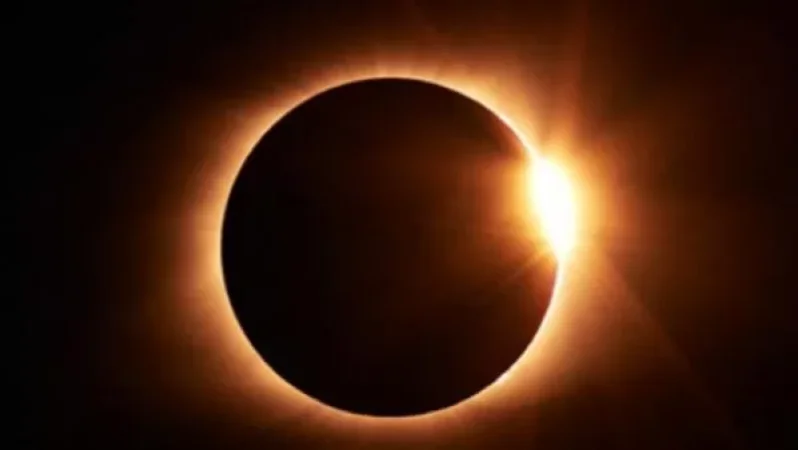
On June 21, one of the most interesting celestial phenomena will take place—the annular solar eclipse, according to the Byurakan Astrophysical Observatory.
Unlike a total eclipse, during an annular solar eclipse, the Moon covers the majority of the Sun's disk, leaving a narrow bright ring around the edges. This "ring of fire" will be visible from Asia and Africa.
Recall that a solar eclipse occurs when the Moon passes between the Earth and the Sun, partially or completely covering the Sun's disk for an observer on Earth. Depending on its position relative to the Earth and its distance from the Earth, the Moon can completely or partially cover the Sun.
During an annular eclipse, the Moon, being at its farthest points in its elliptical orbit, appears smaller to the observer on Earth and cannot fully cover the Sun (as occurs during a total solar eclipse). At the maximum phase of the annular eclipse, only the central part of the Sun is covered, creating a "ring of fire." The eclipse will begin at 04:45:58 GMT, reach its maximum phase at 06:40:04, and end at 09:34:01.
The best visibility will be from the north of India and the southwest of China, where it will already be noon at that time. From Armenia, a partial eclipse will be observed, covering about 30% of the Sun.
It will start at 08:55:33 local time in Yerevan, reach its maximum at 09:45:43, and end at 10:51:59. The Moon will partially cover the Sun's disk from the upper right side, gradually descending.
Note that this annular eclipse coincides with the summer solstice, marking the beginning of the astronomical summer.
Նմանատիպ հոդվածներ

415 New Cases of Coronavirus Infection in Armenia: 14 Deaths, 4 from Other Illnesses

428 New COVID-19 Cases Reported in One Day, 13 Deaths, 772 Patients Recovered

Armenia Leads the Region with Highest COVID-19 Infection and Mortality Rates Per Million People, Ranks 10th Worldwide

US Authorities Plan to Suspend Several Types of Visa Issuance
Ավելին Other բաժնից

19:00 Լուրերը մեկ տողով. Հեծանիվ վարելիս 12-ամյա երեխա է մահացել. Փարիզը պատել է շոգը, Մոսկվան՝ հորդառատ անձրևներ

18:00 Լուրերը մեկ տողով. ֆուտբոլիստի մահ. Թուրքիայի ակնկալիքը ԱՄՆ-ից
17:00 Լուրերը մեկ տողով. Հրդեհ Երևան-Երասխ ճանապարհին. սոցցանցերի արգելք երեխաներին