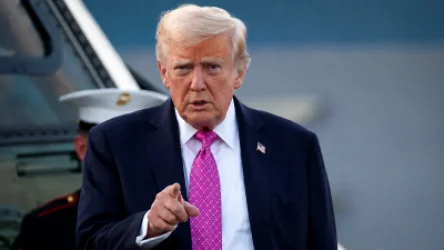
National Security Director Appointed, Son Denies Ties to Father, Leader of Kotayk Diocese - Suren Sahakyan

A new appointment has been made for the Director of National Security, a person who reportedly denies his relationship with his father, a clerical leader of the Kotayk Diocese. This was stated by Suren Sahakyan, the secretary of the executive body of the 'Citizen's Decision' party, on his Facebook page.
He specifically wrote: 'A person is appointed as the Director of National Security who admits to distancing himself from his father, a cleric who is the leader of the Kotayk Diocese. When this topic was discussed, I found it hard to believe and searched for any contradictory evidence. It turns out that the father's name is one of the unique names, Elbek, and there’s only one Elbek Kyaramyan existing in the Republic of Armenia, who is indeed that cleric.'
'The alleged father and son emotionally deny their connection, but the facts persistently suggest otherwise. The new National Security Director explained the discrepancy between his salary and accumulated financial resources by mentioning a wealthy uncle. It turns out that during his time as an investigator, he decided to avoid engaging in corruption, which is why his wealthy uncle continuously provided him with money. It could be that the desire and opportunities for engaging in corruption were significant enough, which is why the uncle didn’t stop transfers even when his account already held tens of thousands of dollars.'
This is not just my or anyone else's inference; Arghisht has himself spoken about his uncle and the received funds, as well as their purpose. And let’s remind ourselves of the title: Director of National Security. They will do everything to the extent that concerns for security will be alleviated solely through prayers, even among atheists.
Nevertheless, we are all human, and one day it might turn out that this was the right approach, and this bitter aftertaste that remains after every such decision was merely the result of incorrect perceptions about life and the state. Who knows... The latest political processes are constantly offering new examples of how we should not have thought.
Նմանատիպ հոդվածներ
Ավելին Politics բաժնից
Պուտինին դիմած և սպառնալիքներ հնչեցրած զինվորը ձերբակալվել է. մանրամասներ
Դատախազությունը հրապարակել է ընտրախախտումների ուշագրավ վիճակագրությունը
Սրբուհի Գալյանը՝ կենսաթոշակների բարձրացման մասին