Ministry of Education Presents Guidelines and Rules for Effective Organization of Remote Learning

The Ministry of Education, Science, Culture, and Sports of the Republic of Armenia has presented necessary clarifications and rules for the effective organization of remote learning.
The educational process and classwork cannot be organized in a face-to-face manner during remote conditions, such as 30 or 40-minute online synchronous classes. This method leads to physical fatigue for teachers, students, and in the case of younger grades, parents as well. Furthermore, the process ceases to be substantive and effective, becoming mostly mechanical.
We propose to follow the following simple guidelines. The teacher can plan their work not on a daily basis, but on a weekly basis. On one day of the week, initially, the teacher can provide students with educational materials relevant to the week’s theme, various links, supplementary materials, and corresponding book materials. Then, they can assign the students to study that material, write down unclear sections, formulate questions that arise, and send them to the teacher through a more accessible platform. This can be given from one to several days, depending on the scope of the week’s theme as per the teacher’s planning, considering the educational plan's entirety.
Afterward, the teacher can set a date for an online synchronous meeting. During that meeting, students' questions will be clarified, and the teacher will provide comprehensive answers and assignments to be completed by the end of the week. The teacher may also set a date and time for an online synchronous meeting for checking the assignments. During this time, using group work methods, the teacher will check how well the children have grasped the topic. If there are many students in the class, the teacher may organize the synchronous meeting for checking assignments in groups.
This method of organizing education will save physical and technical resources; students and teachers will not need to spend extended periods in front of a computer. Furthermore, in cases where there are no computer equipment or internet access, this process can utilize educational lessons available on television, textbooks, and other accessible materials, while contact with the teacher can be maintained via telephone.
All teachers who have experience organizing remote learning courses and using platforms, if such technical capabilities exist for the students as well, it is desirable to use them as a method of organizing remote learning, for example, organizing remote courses through the Moodle platform, utilizing tools available in eTwinning, working with the Microsoft Office 365 package, etc. Consultations about all platforms and online support hotlines are available on the comprehensive page for remote learning at heravar.armedu.am.
Should student attendance be recorded or not? The noting of student participation in the remote learning process is only significant in terms of identifying which students are unable to participate; therefore, they will need to catch up on that material later. We suggest avoiding any other purposes for recording student attendance. Meanwhile, it’s important that students who have the technical capability to participate in remote learning do not miss classes, so they won’t have to catch up later.
How to implement assessments? We suggest refraining from the requirement to conduct mandatory thematic written assignments, as this is not effective during such educational organization methods and leads to additional complications. We propose that when assessing students, the uniqueness of remote learning be taken into account, and the evaluation should primarily focus on the student’s level of mastery of the topic. Additional information will be provided regarding the formation of second-semester, annual grades as well as the conduct of knowledge assessments, final, and state final examinations.
How to deal with subjects or topics that cannot be taught remotely? Topics which, according to the teacher's evaluation, cannot be effectively delivered online may not be included in the remote learning process; these should be accounted for and covered later. We also suggest organizing the teaching of these subjects and topics remotely as suitably as possible. For example, the teaching of physical education should focus on presenting exercises that can be performed at home, along with guiding students in maintaining a healthy lifestyle during emergency conditions.
In addition, we urge avoiding demands for children to film the execution of various activities and exercises and send them to the teacher.
The necessity of filling in the electronic register: The purpose of filling in the electronic register is to assess the volume of remote learning and thus the necessity for lesson completion, not to control teachers. The electronic register has also been introduced in the remote learning process as an essential working tool for teachers, where lessons taught and assignments given will be recorded. In the future, there will be no need to transfer the entries made in the electronic register during this period to paper registers. The work performed by teachers in this period on the electronic register will help improve the system, transitioning fully to it and gradually phasing out the need to fill paper registers.
The clarifications and rules are presented summarizing a month of remote learning during the state of emergency, addressing various questions raised by teachers, parents, principals, and students during this period. The aim is to balance the workload between teachers and students, enhance the protection of children's personal data, and increase students’ mastery of knowledge levels.
Նմանատիպ հոդվածներ
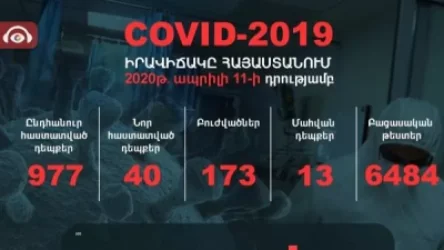
COVID-19 Cases in Armenia Reach 977; 40 New Confirmed Cases Reported by Prime Minister Nikol Pashinyan
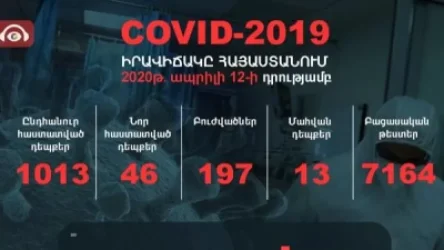
Total Number of Coronavirus Infected in Armenia Reaches 1013, Increase of 46 Cases in One Day
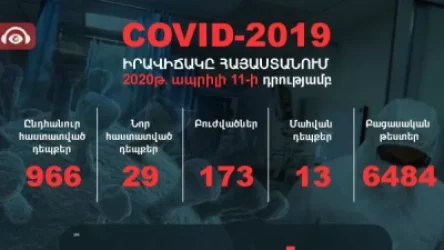
29 New Coronavirus Cases Reported in Armenia; 1 Death; Total Cases Reach 966
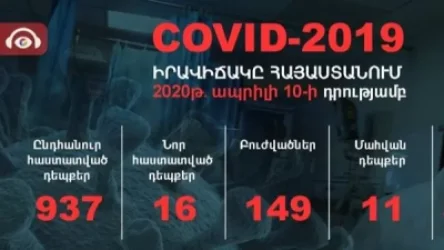
16 New Cases of Coronavirus Infection Registered; Total Cases Reach 937, One Death Recorded
Ավելին Society բաժնից
Ողբերգական ավտովթար․ մեքենան շրջվել է. կա զոհ
Հեղեղատարափ անձրևներ ու աղետալի ջրհեղեղներ․ ինչ է սպասվում աշխարհի տարբեր տարածաշրջաններին
Երևանի քաղաքապետարանը զգուշացնող հայտարարություն է տարածել