The Urban Development Committee Should Be Closed: Sarhat Petrosyan

Former head of the State Cadastre Committee Sarhat Petrosyan has posted on his Facebook page, expressing the opinion that the Urban Development Committee should be closed. Below is the full post:
“Once again, the issues of our sector have been discussed in the government, particularly highlighting the resolution of problems accumulated over the years for the post-coronavirus period. Judging by those present at the discussion, one can infer both the content of the discussion and the outcomes. Unfortunately, the government has not managed to solve the challenges posed by the sector (currently referred to as urban development) and figure out what exactly we expect in this direction.
About two weeks ago, I tried to assist on this issue, but then I thought that perhaps now is not the best time to raise professional problems. After this discussion, I decided to publish my thoughts anyway. I apologize for the lengthy writing; I just wanted to be thorough and present my thought process clearly.
Considering that processes related to the future of the Urban Development Committee have not ceased, I decided to reiterate my position regarding the committee. Although I publicly expressed my views back in 2012 [http://blog.urbanlab.am/2012/06/blog-post_17.html], I will reiterate the opinions I have voiced in recent months when asked whom should be appointed as the head of the Urban Development Committee. I have suggested closing this institution (which I will justify here), and if it is not closed, then under no circumstances should an architect be appointed as its head.
Since Armenia's independence, we have only once had a minister of urban development who was a qualified architect (or head of the committee), which has led us to this state. However, this post is more about closing the committee than about who should be appointed.
Let me justify my argument: currently, the Urban Development Committee, according to its charter, has the following enlarged functions:
- Preparation of spatial planning documents (commonly referred to as master plans),
- Ensuring the normative framework in the construction sector,
- Licensing (partially),
- Support for public construction (inexplicably),
- Unnecessarily facilitating large-scale developments,
- Creation of the legal framework for the construction sector and development of policies.
1. The orderer (owner) of spatial planning documents is the communities, and the implementers are private design organizations. It is a great misunderstanding that the Urban Development Committee develops these documents. Their preparation can be carried out by various other bodies, preferably by the territorial administration authority or the Cadastre as an entity with spatial functions. In reality, the existence of the Urban Development Committee hinders communities or the territorial administration authority from deeply engaging in the applicability of these documents, and their attitude towards them is primarily in the context of 'property allocation' or, at best, in terms of long-term programming documents for community development.
2. The loud function of 'ensuring the normative framework in the construction sector' is also misunderstood; everyone thinks it is a very important function of the committee. In reality, the committee selects one of 2-3 organizations capable of such functions through a competitive process, which mainly translates a Russian or similar norm, which is then approved by the head of the committee. The committee, of course, does not have and cannot have the professional capacity to properly oversee the quality of these. This task can be easily performed by any entity; I would suggest considering it with the standards system operating under the Ministry of Economy.
3. Regarding licensing: despite the last two heads of the Urban Development Committee, we have managed to partially transfer this function to the Union of Architects of Armenia. Therefore, this crucial reform should be completed and the entire field should be liberalized, transitioning to regulation through self-regulatory institutions.
4. Regarding public construction: as was voiced at the last government meeting, it should be decentralized, which has been primarily accomplished over the past decade when the corresponding department of the Ministry of Urban Development was closed.
5. Only after the appointment of Narek Sargsyan as Minister of Urban Development did the ministry begin to engage in large-scale development projects, creating a corresponding department and fully meddling in processes that are community functions. For example, what business does a public body have with Old Yerevan or the neighborhoods of #33 (Firdusi)? As long as we keep this function within that body and entrust it to architects, we will have, at best, the same 'borscht' we have had since 2018, or due to corruption and conflicts of interest, we will constantly have new suspects, or we will remove yet another 'best specialist in the field' from their position.
6. In terms of sector policy, I would remind you that the current constitutional logic does not imply the development of policies by bodies subordinate to the government. However, even if we disregard these regulations, we must note that, and I apologize to my colleagues in the Urban Development Committee, at this moment, the committee in its current composition is unable to make transformations in the field (as evidenced by the development strategy of the sector circulated last year).
Each of these points could be elaborated upon and substantiated further. One could argue against the idea of closing the committee or simply close it for a few months and see what changes in our lives — I assure you, nothing. It is entirely possible to carry out the work of a body with over 100 employees with a small unit of three individuals or specialists in the ministries of territorial administration and economy, and achieve much better results than we currently have.
I am sure a question will arise as to what our colleagues working in the committee should do today. Some of them will be in demand in public administration bodies and the private sector if they possess proper professional qualifications; otherwise, unfortunately, this post is not about them. The fact that the body is currently without leadership is a great opportunity to make such changes; otherwise, I assure you, it would be a great shame for both the current government and the entire sector if a third mistake or ineffective appointment is made within two years,” wrote Sarhat Petrosyan.
Նմանատիպ հոդվածներ
Ավելին Politics բաժնից
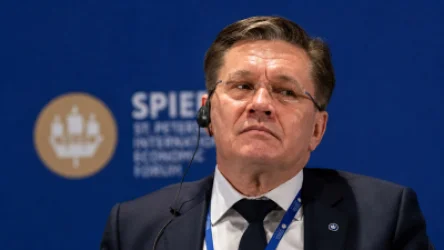
Վաշինգտոնից ճնշում կա, բայց փակ հանդիպումներում դիրքորոշումն այլ է․ «Ռոսատոմ»-ի ղեկավար
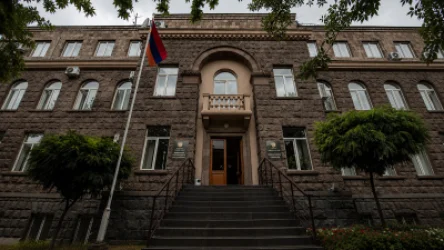
ԿԸՀ-ի պարզաբանումը ՍԴ-ում․ 17 հազար անվավեր քվեաթերթիկի պատճառները չեն վիճակագրվել
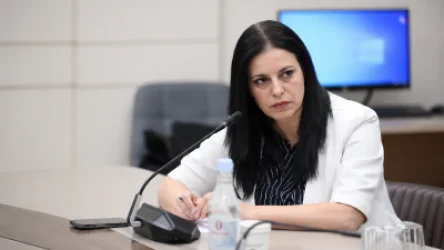
ՔԿ-ն և ԱԱԾ-ն սարսափելի արարք են կատարել Անդրանիկ Թևանյանի գործով․ Արեգնազ Մանուկյան