What Are the Risks of Importing Gasoline and Diesel? Babken Tunyan

The Chairman of the Permanent Committee on Economic Affairs of the National Assembly of Armenia, Babken Tunyan, made a post on his Facebook page regarding the import of gasoline and diesel. He stated that the Competition Protection Commission has suggested reducing the involvement of intermediary organizations in the process of importing gasoline and diesel where possible.
More details are provided in the post. I read the analysis conducted by the Competition Protection Commission (CPC) in the gasoline and diesel commodity markets. What was the main point according to me? Previously, when we urged the CPC to present an overall picture of the fuel market, the structure of the market, and the pricing mechanisms, the CPC talked about almost everything except for that crucial chain called “Rosneft-Armenia.” This time, the CPC clearly stated that the vast majority of gasoline and diesel entering Armenia is acquired from Russia, and the fuel coming from Russia is sourced from Rosneft-Armenia LLC, which is a subsidiary of NK Rosneft.
In other words, the importing companies (such as Flash, CPS, etc.) acquire fuel not directly from the extracting/processing company, but from intermediary organizations. The CPC presented this as a specific issue because the intermediary supply of fuel significantly affects the final price of the fuel consumed in Armenia's domestic market. In other words, someone has entered this chain and is making a profit by impacting the price (in the scheme presented by the CPC, that intermediary is second and highlighted in yellow).
However, the CPC was unable to assess how significantly the presence of intermediaries affects pricing because the relevant contracts and information are absent. Moreover, according to the CPC, acquiring fuel under privileged conditions through intermediary organizations could create a number of risks that may negatively impact the competitive environment.
As a proposed solution to the problem, the CPC suggested minimizing the involvement of intermediary organizations in the import process where possible. This is not the only issue. The report also mentions other problems and proposals ranging from gasoline quality and laboratories to market concentration and demand elasticity.
Since the topic is very important and directly affects hundreds of thousands of people, we will organize a working meeting in the Permanent Committee on Economic Affairs of the National Assembly in the coming days, during which we will discuss this report, unanswered questions, and possible solutions to the identified issues. The full report is available here: http://www.competition.am/uploads/resources/Petrol_Diesel_Commodity_Markets.pdf
Auroranews spoke with Babken Tunyan regarding the numbers published by the CPC on gasoline imports, conveying citizens' concerns that if the import figure for ‘Super’ grade gasoline is so small that 0 percent is mentioned in the published document, what kind of gasoline are they buying instead? “This type of gasoline is imported in very small quantities due to demand,” Tunyan noted.
We inquired whether there is accurate statistics on the consumption quantity of ‘Super’ grade gasoline and whether it is possible that citizens are sold a different type of gasoline under the name ‘Super.’ Tunyan stated, “At this moment, I cannot say for sure; we are trying to understand it as well.”
Նմանատիպ հոդվածներ
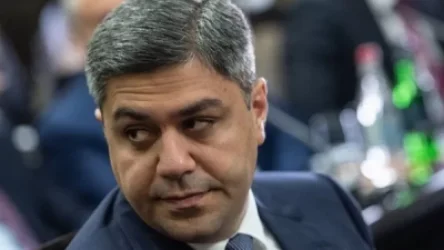
Vanchetzyan Interrogated in 2 Cases, His Phone Subject to Search
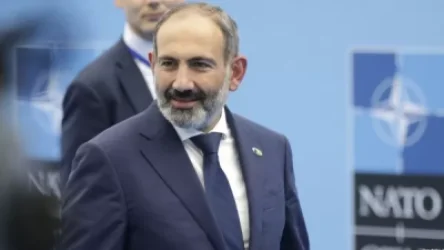
Armenia Leads Economic Growth in EEU, CIS Countries, and Europe: Pashinyan

Former Authorities Agreed to Hand Over Artsakh to Azerbaijan for 5 Billion Dollars, Samvel Babayan

Disinformation Spreading About an Explosion in One of the Tavush Villages: Sipan Pashinyan
Ավելին Politics բաժնից
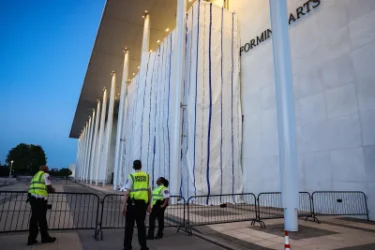
Դոնալդ Թրամփի անունն ապամոնտաժել են Ջոն Քենեդիի անվան կենտրոնից

Տոննաներով թափել ենք ծառերի տակ. տնտեսվարողները տարակուսած են
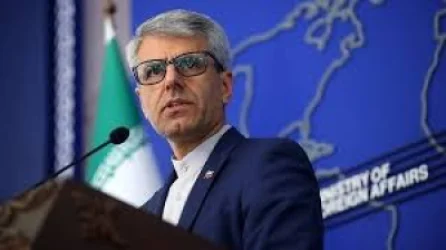
«Իսլամաբադի հուշագրի» ստորագրումը վաղը չի ակնկալվում. Իրանի ԱԳՆ