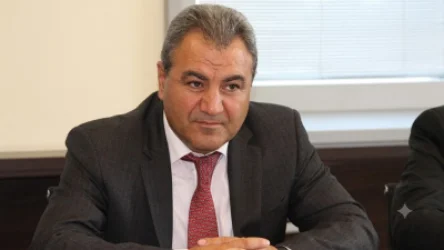
I Am Likely Destined to Play a Very Important Role in Freeing the Country from a Vicious Power: Kocharian

Yerevan.Today sent questions to Robert Kocharian through the office of the second president of Armenia. The year began with an increase in tensions in the region, caused by the Americans’ assassination of Iranian General Soleimani. How do you assess the events and the reaction of our authorities to these events?
The ongoing events are a consequence of the process of reformulating the global world order, which I spoke about in one of my recent interviews. The increase in influence of regional players is being countered by the global leader, who no longer has the resources to dominate but still has the capability to harm opponents. This process is extremely dangerous but inevitable, and we must be prepared for such manifestations. Armenia’s response was shameful and ostrich-like. The Prime Minister's ‘Mountain Speech’ in a style reminiscent of the well-known cartoon about Leopold the Cat, ‘Let's Live in Harmony,’ was absolutely inadequate. It is not about siding with someone; at least, the cause-and-effect relationship should have been acknowledged. Observing from the sidelines, it could have been the response of any island state in Polynesia, not that of a friendly neighbor.
Do you share the Prime Minister's admiration regarding economic indicators? What is your forecast concerning the economic year and its challenges? The reasons for the Prime Minister’s admiration are probably known to him alone. I will address economic issues in more detail, as we can talk about some results from the previous year.
a) A couple of words about the structure of the economy: Let me remind you that the government spoke of its firm intention to reduce the raw material component, develop high-productivity agriculture, boost construction, and develop science-oriented export industries along with the digital economy. Last year was the exact opposite: the share of mining in the overall volume of the economy increased, the share of agriculture declined, the difference between imports and exports grew, while the trade and services sector expanded primarily at the expense of the gambling business and consumer lending, rather than through ‘new economy’ sectors. The promised construction boom from the Prime Minister never started and ended without ever taking off; the sector grew at a slower pace than the economy as a whole. The expenditure side of the budget has been seriously underperformed concerning capital expenditures. The state debt has increased, and the outflow of people from Armenia has continued.
Thus, the structure of the economy has changed during the past year contrary to the Prime Minister’s plans. The contradiction between the stated goals and actual results speaks to the government’s lack of economic policy, management skills, and even the ability to make short-term forecasts. The prices of copper and the totalizer shaped the structure of the country's economy, not the government programs. This reflects the elementary incompetence of most ministers and department heads.
b) About economic growth: The economy has indeed grown, but according to most economists’ assessments, nowhere near the proclaimed 7.5%. According to H. Bagratyan, the growth was around 3.5 percent, which is much closer to the truth. The statistics raise doubts, as the economic growth has practically had no effect on the living standards of the majority of the country’s citizens. Additionally, the reduction in transportations and electricity production volumes does not align with the logic of economic growth. There is also a deformation of statistics due to a huge 'bubble' in the economy generated from the importation of cars for hidden re-export purposes, driven by tax discrepancies with EAEU countries. The domestic market demand is around 30,000, whereas last year 189,000 cars were imported into the country. This has inflated the basic indicators of the economy, making it impossible to objectively assess the actual situation. Therefore, the figures on the volumes of trade and services require serious re-evaluation. It is evident that the sharp increase in the portfolio of consumer loans is largely attributable to this factor. This explains also the excess tax revenues. To understand the real picture of the economy, the impact of imported cars on GDP formation should be calculated, considering its multiplicative effect. Moreover, it is likely that similar circumstances occurred for a number of other categories of goods, where tax discrepancies also created speculative motivations for businesses. For the new authorities emerging from the ‘Republican’ past, this unique ‘bonus gift’ is coming to an end, although there will still be some inertia in the first months of the current year. As a result, it is good that the economy has indeed grown, but there is no reason for enthusiasm.
c) Forecasts for the current year: The budget for the current year anticipates GDP growth of only 4.9%. In light of global economic growth forecasts of 3.5 percent, the authorities should be ashamed to appear before the people with such a budget, especially following promises of ‘bursting’ growth. The year will not be easy, as saved and attracted funds will be directed to pay off the impressive peak of external debt, which will necessitate additional revenue streams. There will be no investments until the revolution stops being regarded as the ‘new’ Armenia brand, until trust in banking secrecy is restored, until extrajudicial extortions from business stop, until discussions of property redistribution cease, and until the atmosphere of total hatred in the country changes. The flat income tax rate will widen the gap between the poor and the rich, leading to increased social tension. At best, we can expect a year of stagnation.
The past year was also remembered for massive ministerial bonuses paid out in secrecy from the public—a significant portion of which could have supported vulnerable social objects. It is evident that the euphoria of the public has been interpreted by the authorities as a license for anarchy, which has led to the increased corrupt appetite of revolutionary activists. The euphoria has passed, yet the appetite of officials has remained. Regarding specific bonuses, a whole system of public service remuneration has been violated by bypassing the law. Bonuses for ministers and their deputies exceed reasonable limits, alongside the absence of key performance indicators that tie remuneration to specific job outcomes. This kind of ‘unearned motivation’ corrupts the government and morally undermines the workings of the entire public administration due to its injustice. It is infuriating that this waste is occurring against the backdrop of closures of sensitive social institutions.
Imagine: the enormous sizes of bonuses for newly minted officials, their ballooning expenses on luxury travels, and the funds for lavish renovations of state dachas could suffice for the modernization and five-year operational needs of all closing orphanages, hospitals, and other health facilities and social enterprises. It is difficult for me to describe what is happening within the limits of normative vocabulary; therefore, I leave it to the readers.
Can we speak about a new phase in domestic politics, and how will it manifest? In your forecast, what will be the main internal political event or demand of 2020? The autumn was politically active, and it is safe to assert that the principle of ‘consensus minus one’ has fundamentally established itself. This year will see the completion of the formation of a new political landscape, as well as the agenda, capable of uniting politically active citizens. Everyone understands that the foreshadowing euphoria has passed, yet the government established under strong pressure remains. The parliament, as anticipated, is a deficient appendage of the government that is unable to fulfill its constitutional function of executive oversight. Political processes unfold outside the National Assembly, where the country’s political agenda is being shaped. This year, the configuration of the parliament will definitively cease to reflect societal moods, indicating a loss of legitimacy. This circumstance will render extraordinary parliamentary elections a necessity and the main political demand. All this will occur against the backdrop of a deteriorating socio-economic situation and the government's inability to fulfill its promises. Whether elections will occur this year depends on the intensity of political processes, the level of citizen engagement, the stability of the ruling coalition, and, of course, the mistakes of the authorities. I believe the probability of such a development is quite high. The Prime Minister’s eccentric press conferences, such as the one in Kapan, only accelerate the process.
What can you say about your role in the opposition, despite your incarceration? By its essence and actions, the government has returned me to politics, while keeping me incarcerated turns me into a symbol of resistance against its incompetent governance. Fate once granted me the opportunity to lead the struggle for the independence of Artsakh, which symbolized the revival of national consciousness. When the movement was just starting, I miraculously managed to escape from an Azerbaijani prison. Ironically, by depriving me of freedom, our government is today completing what Azerbaijan failed to achieve back then. History has many inspiring examples of successful political struggles emerging from prisons. I am likely destined to play a very important role in freeing the country from a vicious government that undermines our national identity.
Can the struggle for the freedom of your supporters and teammates evolve into a political movement, and what role will the committee coordinated by Agvan Vardanian play in this? It is entirely possible. The conviction of people in their righteousness and their readiness to fight and endure hardships is a vital condition for any political struggle. There are many such people in our camp. Collaborative work draws people closer, creates a team spirit, and develops cooperative experience. By uniting within an organizational structure, they become a real political force. The reformatting of the created committee will merely be a technical matter of forming a political unit, provided they wish for it. The situation related to the criminal case and the judicial process, in general, illustrates the complete collapse of the country’s judicial system. Achieving justice in a place where there is barely a hint of it can seem pointless at times. Therefore, we cannot rule out their active participation in the political movement for the restoration of constitutional order in the country.
For over a month, Armen Tavadjian, the owner of the 5th TV Channel, has been in custody. What do you think: is this pressure against the free press, or is it a repression against your friends and supporters? Undoubtedly, it is a combination of both factors. They measure people by their own torturous standards. Tavadjian has a rich biography and significant contributions to the establishment of Artsakh, and I am confident that he will overcome any deprivation with dignity.
Interview by Yerevan.Today
Նմանատիպ հոդվածներ
Vanchetzyan Interrogated in 2 Cases, His Phone Subject to Search
Armenia Leads Economic Growth in EEU, CIS Countries, and Europe: Pashinyan
Disinformation Spreading About an Explosion in One of the Tavush Villages: Sipan Pashinyan
The Amount of Bonuses in the National Assembly has Reached Approximately 900 Million Drams
Ավելին Politics բաժնից
Սրբուհի Գալյանը՝ կենսաթոշակների բարձրացման մասին
Նա սարսափելի մարդ է, խելագար․ հուսով եմ՝ նրա հետ կոպիտ կվերաբերվեն․ Թրամփ
Որևէ սցենարով չեն ընդունելու Ազգային ժողովի այս կազմի լեգիտիմությունը․ Նարեկ Կարապետյան