Waste Management Is Today One of Our Country's Most Urgent Issues - Nikol Pashinyan
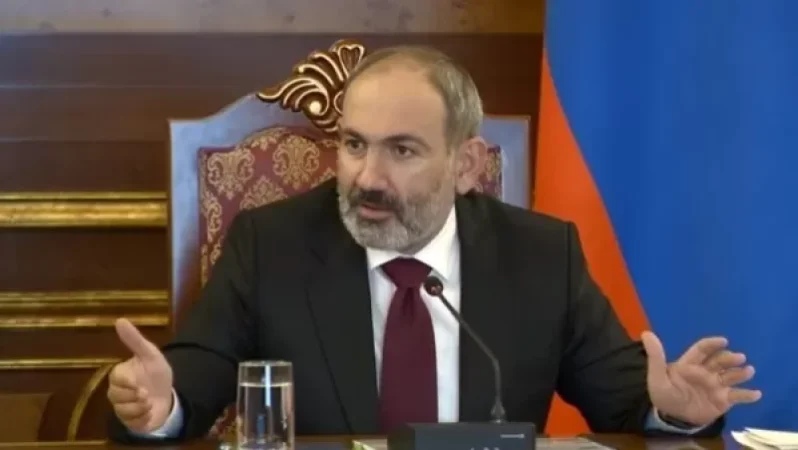
Prime Minister Nikol Pashinyan held a meeting in the government today, during which the ongoing work on the project for the development of a waste management strategy in the Republic of Armenia was discussed.
Before moving on to the discussion, the Prime Minister emphasized the importance of forming an effective waste management system, stating, "It is evident that waste management is one of the most urgent issues in our country today. I have had several opportunities to say that the Republic of Armenia is, unfortunately, under a layer of waste, and I have also had the opportunity to talk about the manifest tolerance towards waste. Of course, this is a serious problem that we must find solutions for. However, if we momentarily visualize today's situation, there is 100% intolerance towards waste in our living environment; the biggest problem of our current system is that we simply transport waste from point A to point B. This means that we can have situations today where our settlements are clean and in perfect condition, but this still does not mean that we have solved the problem, because, with our current system, we are transporting waste from point A to point B. What happens to that waste at point B brings about serious problems. One of the most important questions of today's strategic discussion is what we are going to do with that waste afterwards."
Pashinyan continued, "I believe that in the modern world, one of the key indicators of a country's level of civilization is how waste is managed because the word waste has a very negative connotation. However, in the modern world, waste also represents a significant resource that creates results, brings prosperity, plays a certain role in the economy, contributes to gross domestic product, and so forth. We must think in this direction, and, in essence, this is not new work in the Republic of Armenia. This work has been underway for quite some time, and we have some small regional results here and there, but overall, we need to find long-term ways to overcome these issues.
Minister of Territorial Administration and Infrastructures Suren Papikyan noted that the work on developing the waste management strategy is being carried out by a working group established by the Prime Minister's decision, with the main goal being to form an effective system for collecting, transporting, sorting, and recycling the waste generated throughout the republic.
The discussion expanded on the current situation in the waste management sector in Armenia, the main directions and principles of waste management and solid waste management, programs that have been implemented and are being implemented, possible options and mechanisms for waste recycling, the work of companies operating in this direction within the republic, and the improvement of the institutional and legislative framework of the waste management system.
Summarizing the exchange of ideas, the Prime Minister once again emphasized the importance of forming a complete chain for waste collection, management, and recycling. Among various other tasks, he instructed to promote the activities of companies engaged in waste recycling.
Nikol Pashinyan instructed to continue working on the development of the strategy, finalize the document in the short term, and present a comprehensive strategy for the waste management system with a program of measures and a clear timeline for implementation. The head of the government also drew the attention of the responsible parties to the standardization of strategies and the development of relevant criteria for that purpose, providing appropriate instructions.
Նմանատիպ հոդվածներ
Nichol Pashinyan Questioned in Connection with Criminal Case
Emergency: The Body of Former NSS Director Georgi Kutoyan Found
Vladimir Karapetyan: I Will No Longer Fulfill the Duties of the Prime Minister's Press Secretary
The Amount of Bonuses in the National Assembly has Reached Approximately 900 Million Drams
Ավելին Politics բաժնից
Թոշակառուն ո՞նց վճարի․ Ծառուկյանի կոշտ քննադատությունը
Փոփոխությունները գալիս են․ Սամվել Կարապետյան
500 դրամ կես հեկտարի համար․ Թաթոյանը՝ ոռոգման ջրի գինը կտրուկ իջեցնելու մասին